
- Junta airstrikes on Ponnagyun IDP camps kill 15 civilians, injure 30: AAPP
- Myanmar junta airstrikes kill 163 civilians in September, Arakan hardest hit: MDSI
- Commodity prices rise in Ramree after Kyauktaw market bombing
- Junta intensifies offensive against resistance-held territory in strategic Sagaing town
- Fighting escalates in Sittwe as Arakan Army captures junta outposts
AA spokesman lauds PDFs’ resistance movement
Arakan Army (AA) spokesman U Khaing Thukha has heaped praise on the People’s Defense Force (PDF) units fighting against the Myanmar junta.
05 Mar 2022
DMG Newsroom
5 March 2022, Sittwe
Arakan Army (AA) spokesman U Khaing Thukha has heaped praise on the People’s Defense Force (PDF) units fighting against the Myanmar junta.
“Speaking of the combat capability of the PDF, I can’t help but praise their courage to fight while they have no weapons,” said U Khaing Thukha during an online press conference held by the ethnic armed group on Saturday.
PDF groups can make themselves better by exercising stricter discipline and harnessing greater organisational skills, the AA spokesman suggested.
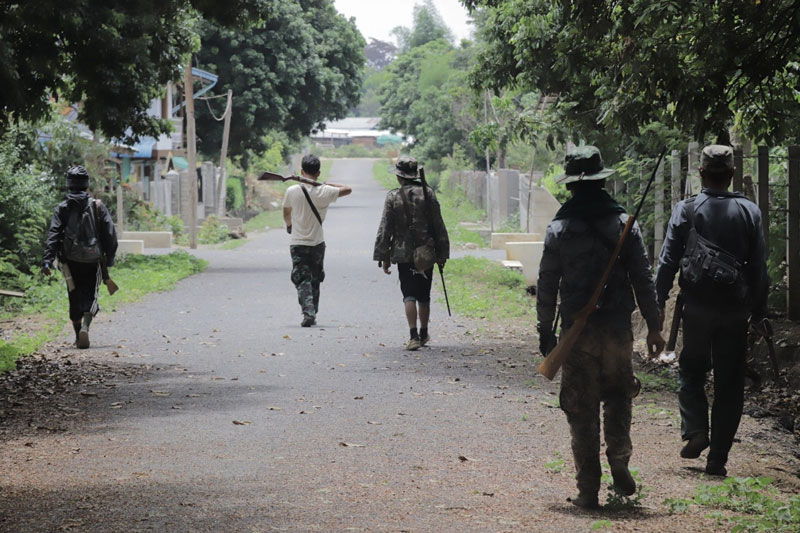
After anti-junta protest columns were met with live fire and many of their comrades were shot dead in February and March of last year, anti-regime activists from large swaths of the country formed local civilian resistance forces that would collectively become known as the PDF.
In the early days, PDF groups had little more than homemade gas guns, slingshots, homemade traditional hunting rifles and improvised mines. To this day, many groups fighting the regime still lack proper military equipment.
U Khaing Thukha said the AA recognises the resistance forces that have sprung up across Myanmar following the coup and acknowledges their determination and efforts to eliminate the country’s military dictatorship.
“We have sympathy for people being oppressed in mainland Myanmar. We appreciate their determination and efforts to free themselves from oppression,” said U Khaing Thukha.
Myanmar’s post-coup resistance has been most active in Sagaing and Magwe regions, as well as Chin, Kayah and Kayin states.

Top News
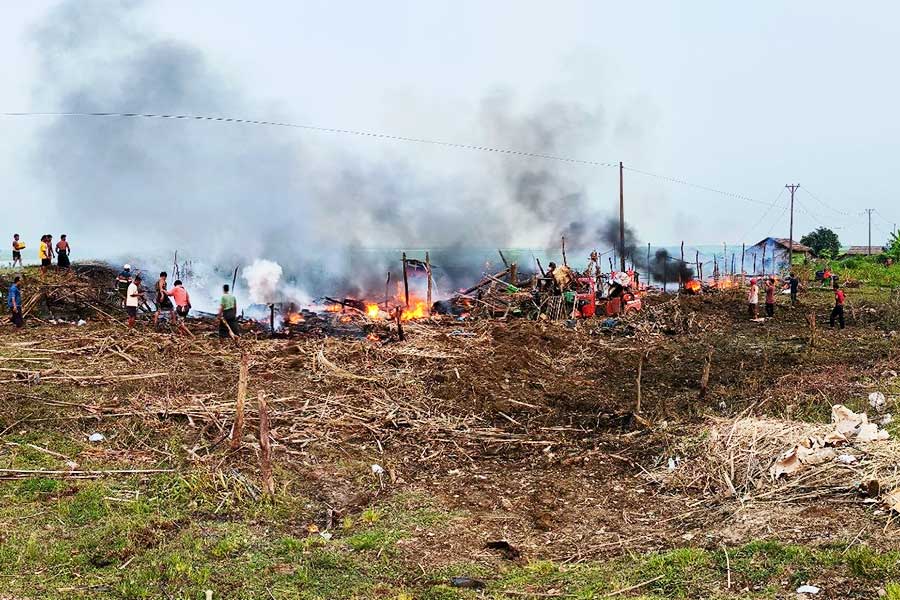
Junta airstrikes on Ponnagyun IDP camps kill 15 civilians, injure 30: AAPP
By Admin 14 Oct 2026
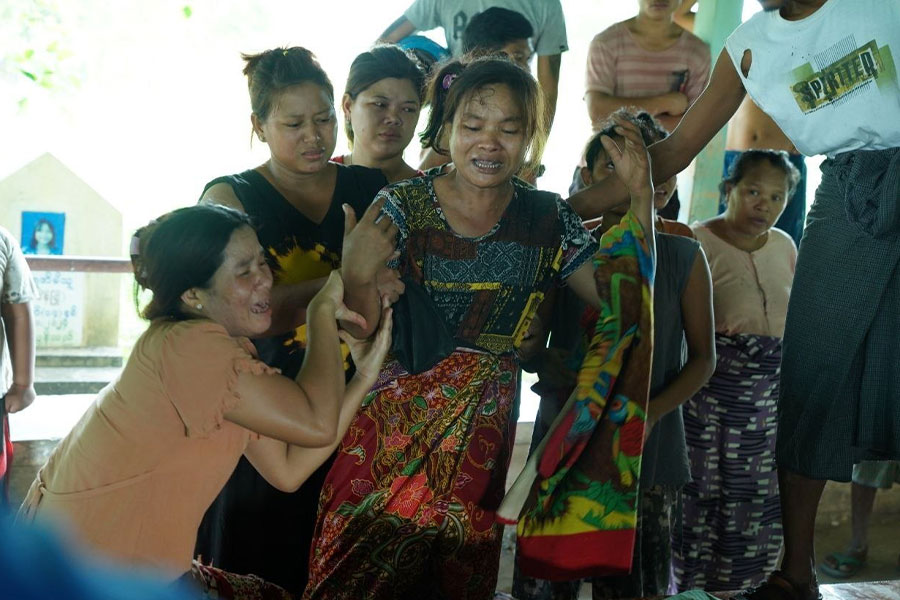
Myanmar junta airstrikes kill 163 civilians in September, Arakan hardest hit: MDSI
By Admin 14 Oct 2026
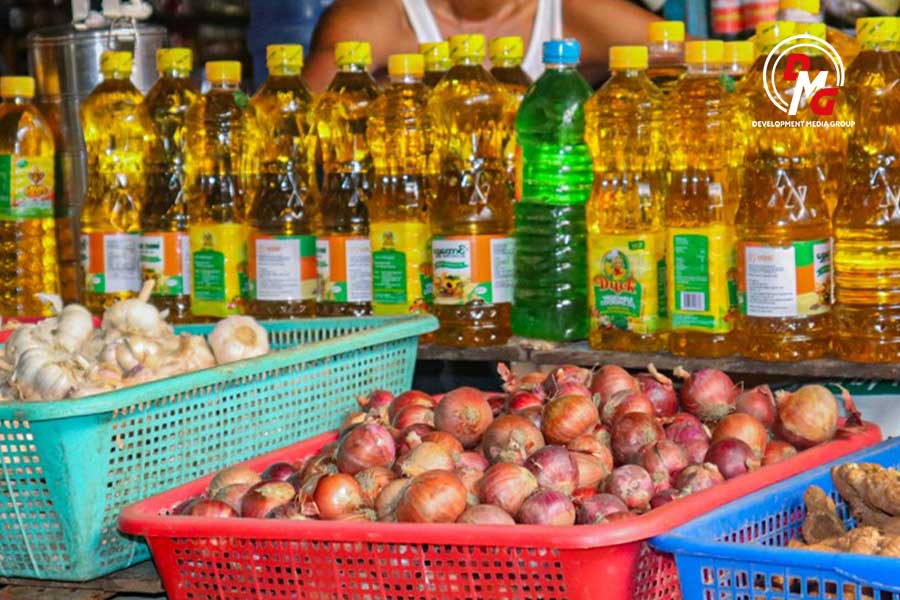
Commodity prices rise in Ramree after Kyauktaw market bombing
By Admin 14 Oct 2026
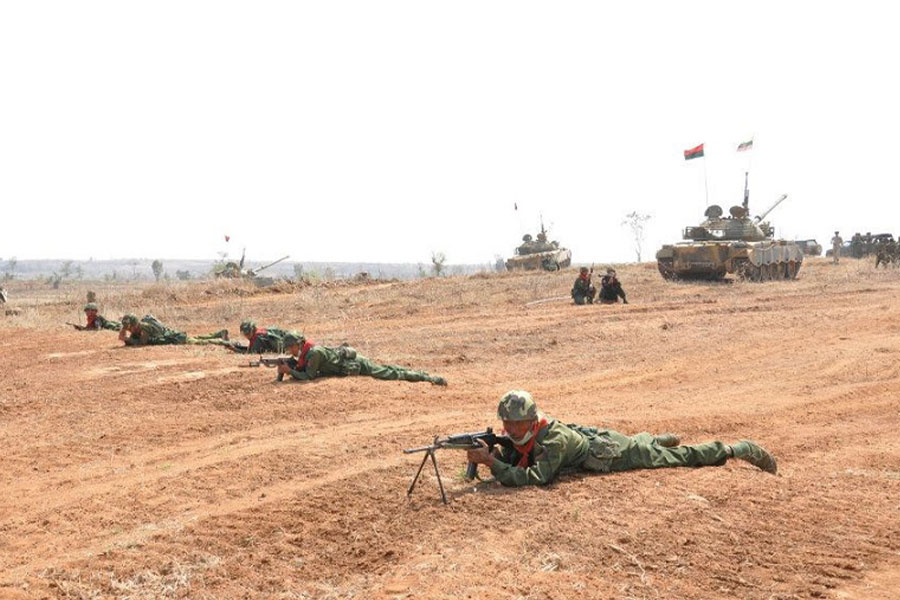
Fighting escalates in Sittwe as Arakan Army captures junta outposts
By Admin 13 Oct 2026