
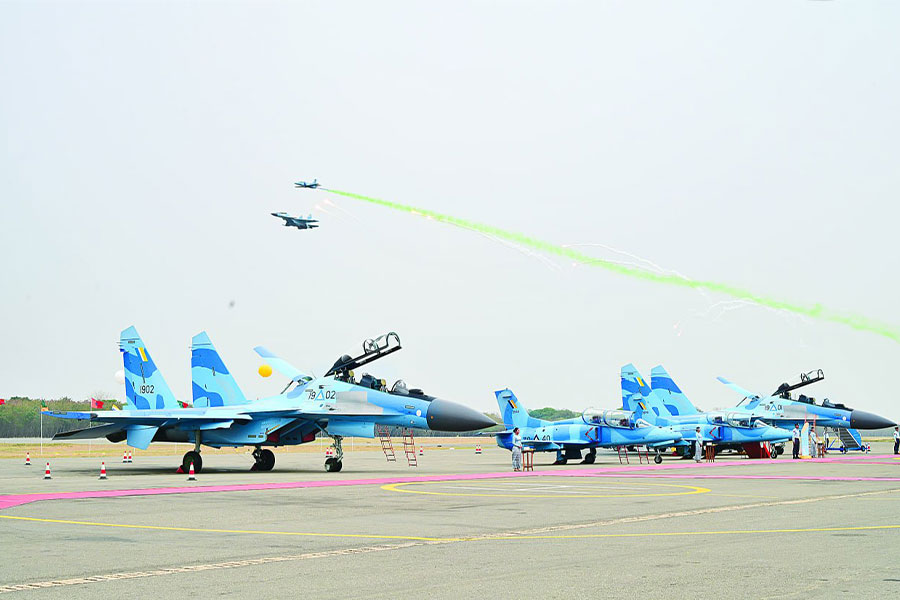
- Myanmar junta accused of disguising aviation fuel imports as diesel: JFM
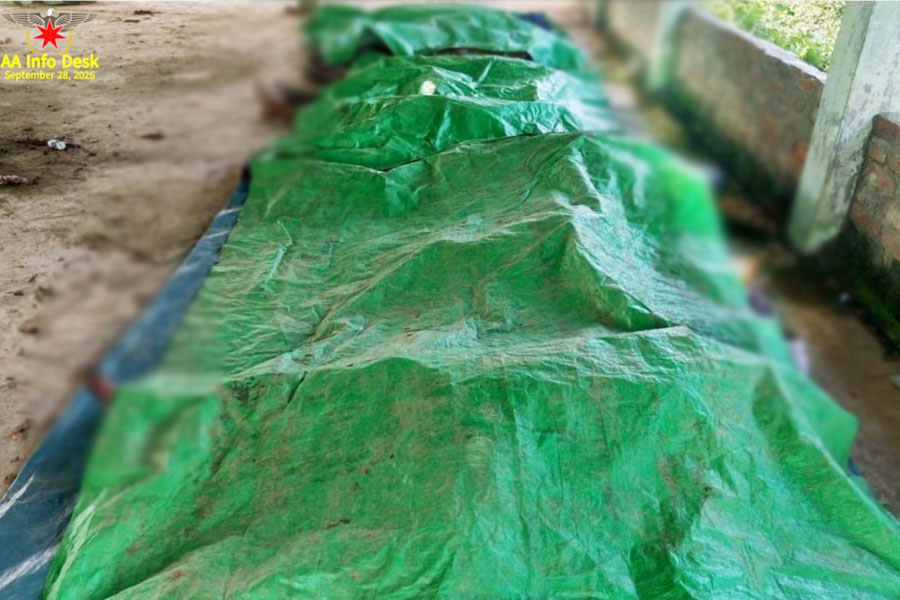
- Arakan records most junta airstrikes as 214 civilians killed across Myanmar: BNI
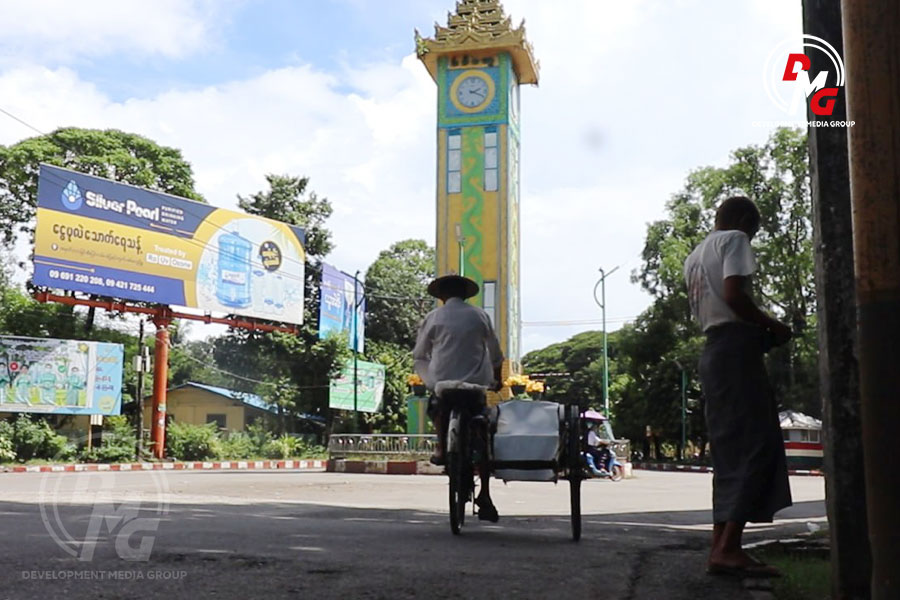
- High airfares leave low-income families stranded in blockaded Sittwe
- MSF rrges civilian protection after Sittwe shelling kills two, injures 17
- ULA warns Arakan residents of airstrike risks during Thadingyut festival
Arakan youth face growing crisis amid war and joblessness: CAS
Young people across Arakan are facing an increasingly uncertain future as armed conflict, military recruitment, restrictions on movement, unemployment and disrupted education deepen a generational crisis, according to a new issue brief by the Center for Arakan Studies (CAS).
11 Sep 2026

DMG Newsroom
11 September 2026, Sittwe
Young people across Arakan are facing an increasingly uncertain future as armed conflict, military recruitment, restrictions on movement, unemployment and disrupted education deepen a generational crisis, according to a new issue brief by the Center for Arakan Studies (CAS).
The report, “Charting the Future of a New Generation of Arakanese Youth Against a Backdrop of Military, Political, and Socioeconomic Crises,” examines the opportunities, challenges and crisis conditions facing young people across Arakan from January 2024 to August 2026.
CAS says the renewed fighting between the Arakan Army (AA) and Myanmar military in November 2023 brought an end to a period of relative stability in Arakan and dramatically changed the prospects of a generation already affected by the consequences of the 2021 military coup.
The conflict has extended far beyond the battlefield, disrupting education, employment, freedom of movement and family life and leaving many young people with few opportunities to pursue their studies or build stable livelihoods.
Military recruitment is among the most serious pressures highlighted in the report. CAS documents recruitment and conscription affecting Muslim communities in Sittwe and Kyaukphyu and cites Unlawful Conscription Watch as reporting that 3,993 people in Arakan State were subjected to forced military service by the Myanmar military between May 2025 and May 2026.
The report also points to restrictions imposed by the ULA/AA under its National Defence Emergency Provision. It says military-eligible young people have faced restrictions on leaving Arakan and that some youths intercepted while attempting to leave were subsequently sent for military training.
At least 80 young people detained while attempting to leave Arakan were reportedly transferred to AA military training camps, according to the report.
Economic hardship is another major concern. A Youth Lead Organisation assessment cited by CAS puts youth unemployment in Arakan at 55 percent, with young people facing shortages of employment opportunities, vocational skills and capital to establish businesses.
For many young people, education has also become increasingly difficult. Universities and colleges have been closed or disrupted by conflict, while internet restrictions, security checks and travel difficulties have further limited access to learning. CAS says efforts to restore educational opportunities in AA-controlled areas began to emerge in 2025 and 2026, but many young people remain caught between interrupted education, limited employment and continuing insecurity.
Young people who seek opportunities outside Arakan also face difficulties. The report cites cases involving Rakhine youth in Yangon who encountered problems renewing or replacing Citizenship Scrutiny Cards, affecting their ability to travel abroad for education or employment. It also documents concerns over missing displaced Rakhine youth in Yangon.
Young women face additional risks, with CAS highlighting cases of trafficking and exploitation among those seeking employment abroad, alongside broader losses of educational, employment and vocational opportunities.
Despite the challenges, the report notes some emerging opportunities under the changing administration in Arakan, including public-health training programmes for young people.
CAS warns that the combined military, political and socioeconomic crises could have long-term consequences for an entire generation. It calls on political leaders and civil society organisations to adopt more comprehensive and forward-looking initiatives that address the needs and future prospects of young people.
As conflict continues and governance structures evolve across Arakan, the report suggests that creating meaningful opportunities in education, employment and skills development will be critical to ensuring that the future of the region’s young people is not defined primarily by war and economic hardship.

Top News
Myanmar junta accused of disguising aviation fuel imports as diesel: JFM
By Admin 26 Oct 2026
Arakan records most junta airstrikes as 214 civilians killed across Myanmar: BNI
By Admin 26 Oct 2026
High airfares leave low-income families stranded in blockaded Sittwe
By Admin 25 Oct 2026
MSF rrges civilian protection after Sittwe shelling kills two, injures 17
By Admin 25 Oct 2026
ULA warns Arakan residents of airstrike risks during Thadingyut festival
By Admin 24 Oct 2026