
Daily junta airstrikes make Arakan State peace talks unlikely, analysts say
Political analysts say the military regime's peace overtures lack credibility, arguing that meaningful political dialogue remains unlikely as the junta continues daily airstrikes across Arakan State.
21 Jul 2026
DMG Newsroom
21 July 2026, Ponnagyun
Political analysts say the military regime's peace overtures lack credibility, arguing that meaningful political dialogue remains unlikely as the junta continues daily airstrikes across Arakan State.
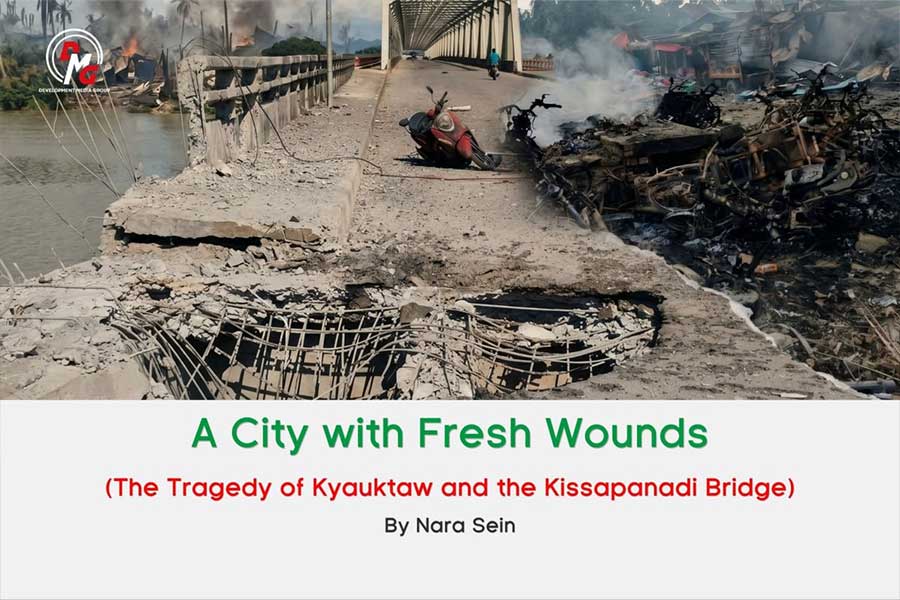
While representatives of the military regime met the Ta'ang National Liberation Army (TNLA), an ally of the Arakan Army, in Nay Pyi Taw on July 19, the junta simultaneously launched airstrikes on five townships in Arakan State over two consecutive days.
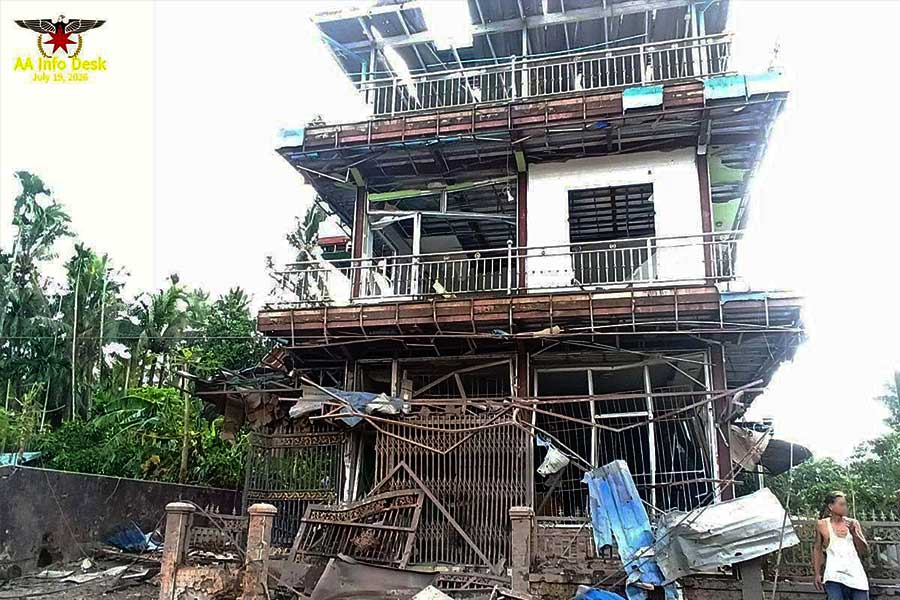
The regime carried out airstrikes on Taungup, Thandwe and Ponnagyun townships on July 19, followed by attacks on Mrauk-U and Minbya townships on July 20.
The airstrikes came as residents of Arakan State were already struggling with severe flooding. On July 19 alone, the junta attacks killed five civilians and injured 29 others.
"The regime's peace offer completely contradicts the reality on the ground, where they are bombing civilians from the air. We view this offer as a performative gesture designed merely to gain a military advantage or escape their political crisis," an 88 Generation Arakanese student leader and political analyst told DMG.
After self-appointed President Min Aung Hlaing announced a 100-day peace initiative running from April 21 to July 31, the regime held meetings with northern ethnic armed organizations along the China-Myanmar border, including the United Wa State Army (UWSA), the Myanmar National Democratic Alliance Army (MNDAA) and the Shan State Progress Party/Shan State Army (SSPP/SSA).
On July 19, the regime also held talks in Nay Pyi Taw with the TNLA, a member of the Three Brotherhood Alliance.
Arakanese political observers say the continued bombing of civilians demonstrates that the regime's peace overtures are inconsistent with genuine efforts to end the conflict and instead serve as a political strategy to gain leverage.
"The Arakan Army will never accept negotiations conducted under military pressure. The regime must first stop the violence directly threatening the lives and property of the people. As long as these fundamental steps are ignored, no peace talks will carry any meaning," the analyst added.
Analysts say the military must immediately halt attacks on civilians and demonstrate a genuine commitment to the basic principles of peace.
U Aung Marm Oo, editor-in-chief of Development Media Group (DMG) and a political analyst, said: "The regime appears to be attacking civilians out of vindictiveness. At the same time, it is desperately trying to break into areas controlled by the Arakan Army in Arakan State, where local forces are fiercely defending their positions. Yet it continues to claim it is pursuing peace. That is completely contradictory."
"It raises the question of whether the Arakan Army is being excluded from peace efforts. The regime may be trying to secure a broader ceasefire with other armed groups while concentrating its offensive on Arakan State. That is why the bombings continue while it claims to be pursuing peace with other members of the Three Brotherhood Alliance. Its actions and words simply do not match," he added.
Political observers in Arakan State say the regime may be seeking to secure ceasefires with armed groups in northern Shan State through its 100-day peace initiative while concentrating its military offensive on Arakan State.
The Arakan Army has also questioned the sincerity of the regime's 100-day peace initiative, citing the contradiction between its calls for dialogue and its continued airstrikes on civilians in Arakan State.
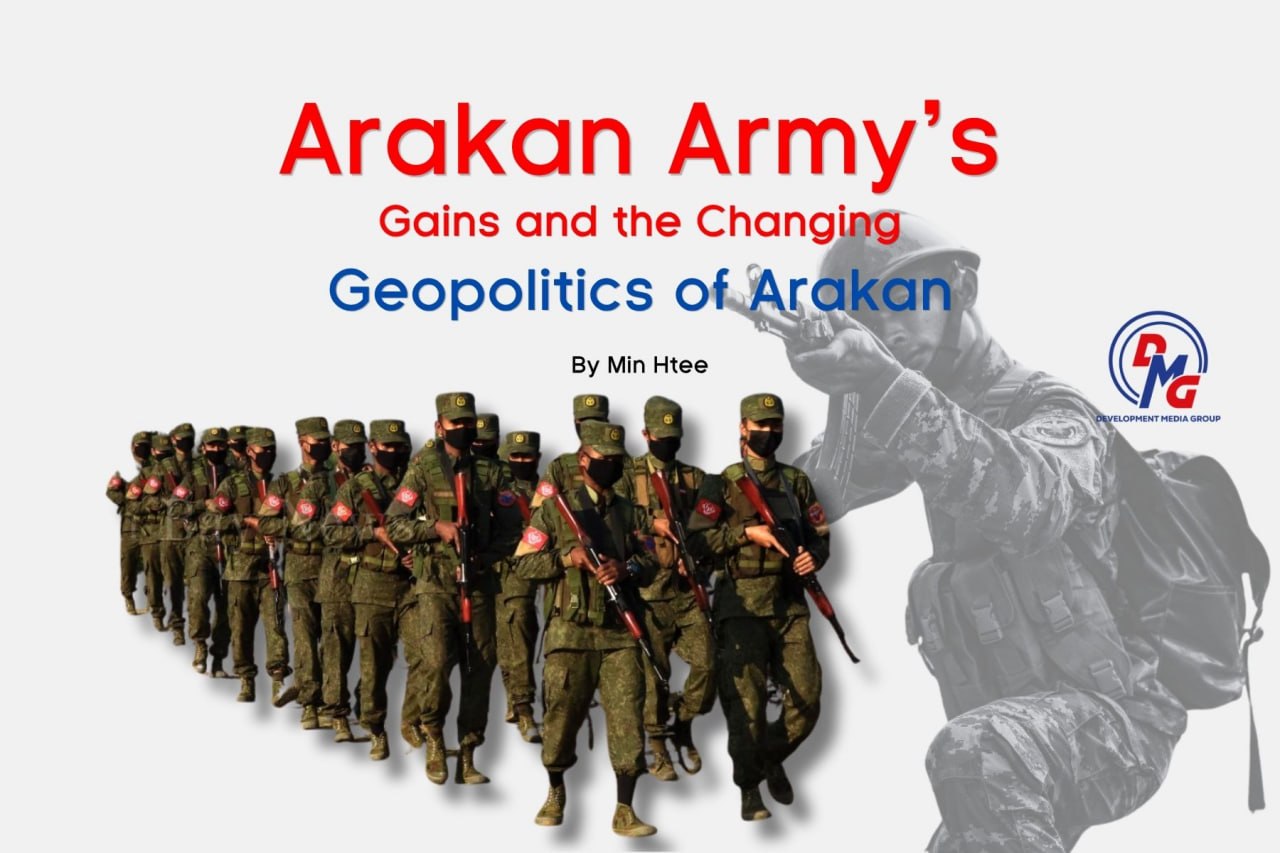
The Arakan Army said it would respond to the military's offensives in cooperation with the people of Arakan State, allied organizations and individuals who support the Arakan Army, as well as partner organizations in neighbouring territories.

Top News
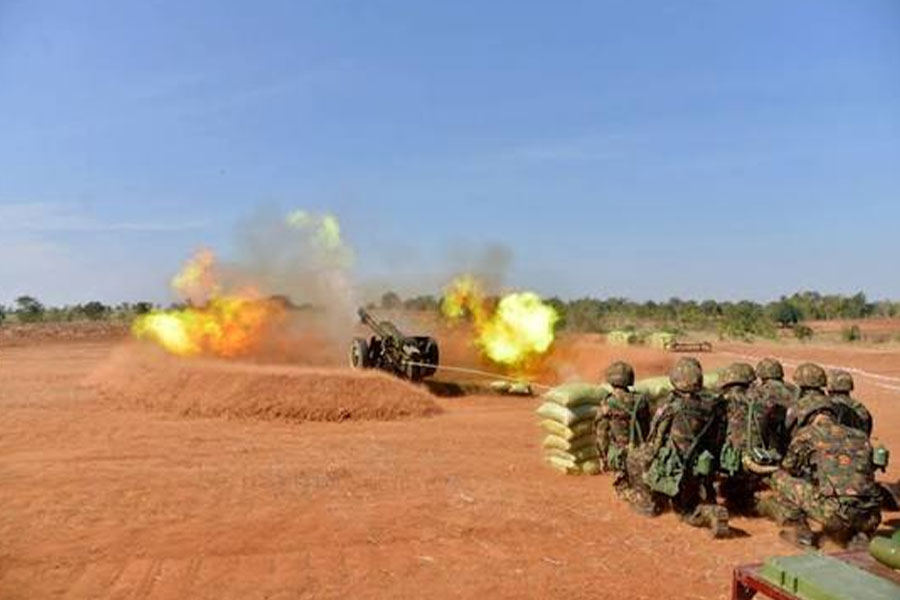
Clashes intensify at three locations near Sittwe ROC
By Admin 19 Oct 2026
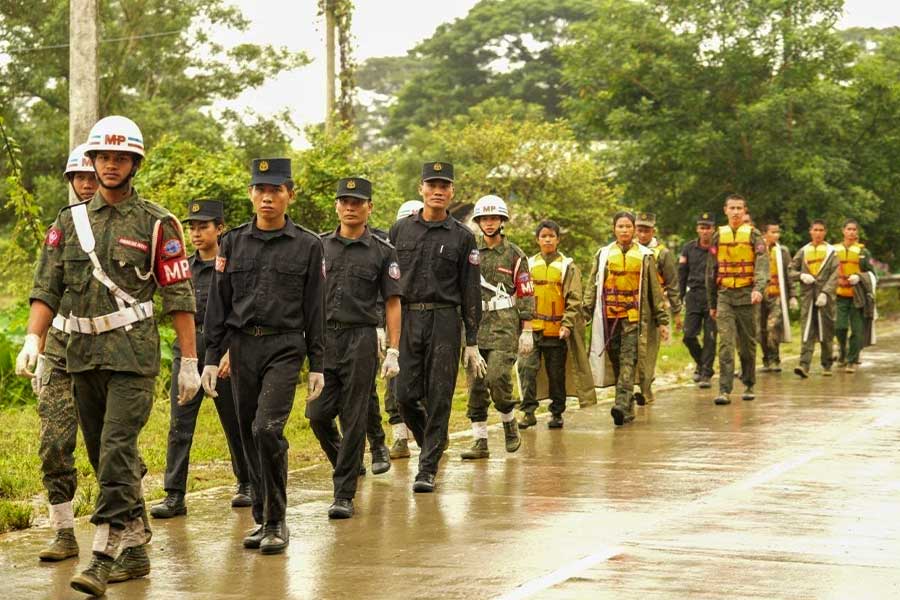
Junta extends martial law in 55 townships, including AA-held areas
By Admin 19 Oct 2026
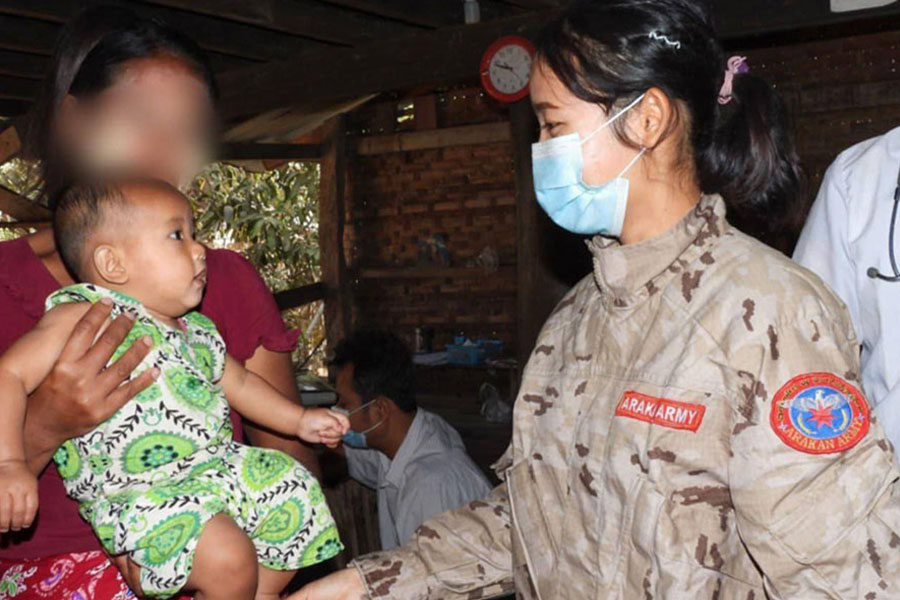
Financial hardship limits access to healthcare in Arakan
By Admin 19 Oct 2026
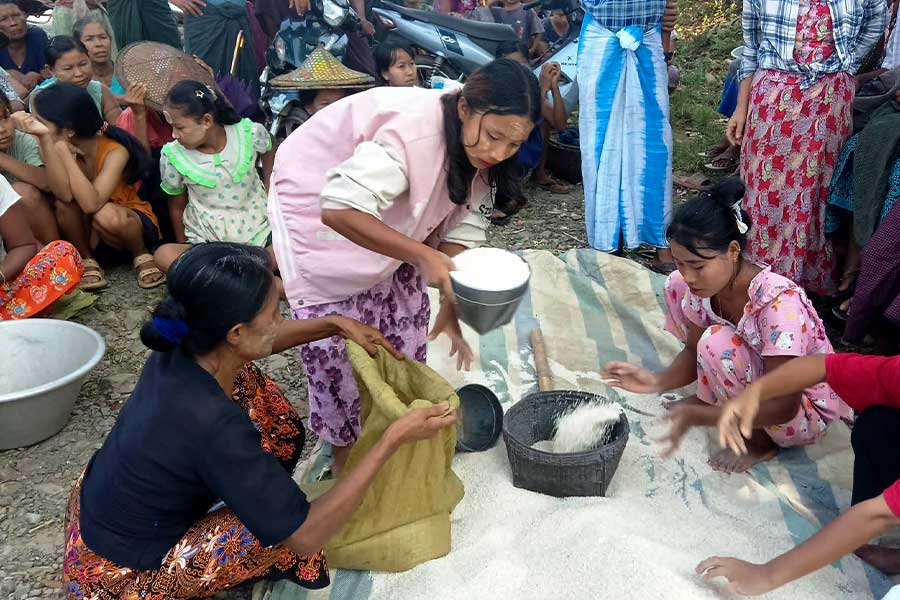
Rice shortages worsen in Taungup as prices soar
By Admin 19 Oct 2026
Junta airstrike kills at least seven, injures many in Paletwa Twsp
By Admin 19 Oct 2026