
ULA/AA now indispensable to Rohingya repatriation process: CAS
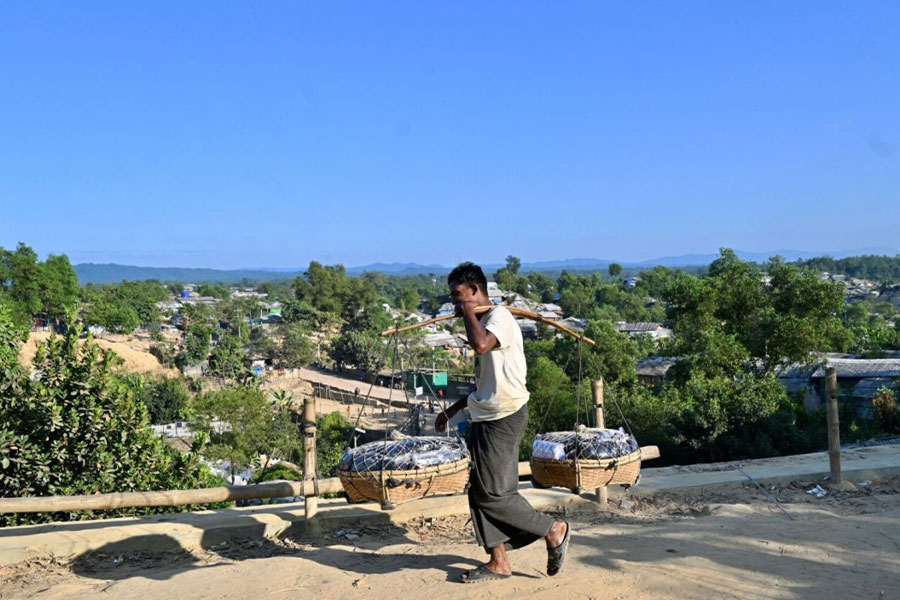
The United League of Arakan/Arakan Army (ULA/AA) has become an indispensable actor in any future repatriation of Rohingya refugees from Bangladesh because of changing territorial control in Arakan State, according to a new study by the Center for Arakan Studies (CAS).
04 Sep 2026
DMG Newsroom
4 September 2026, Yangon
The United League of Arakan/Arakan Army (ULA/AA) has become an indispensable actor in any future repatriation of Rohingya refugees from Bangladesh because of changing territorial control in Arakan State, according to a new study by the Center for Arakan Studies (CAS).
CAS made the assessment in its In-Depth Paper No. 14, published in September, which examines Rohingya repatriation through “complexity theory.” The study argues that the issue can no longer be addressed simply through bilateral agreements between Bangladesh and Myanmar.
The paper identifies four factors making repatriation increasingly difficult: the large number of actors with different interests, the absence of clear responsibility for resolving the problem, inconsistent policy approaches, and interconnected developments that can produce unexpected consequences.
The crisis has developed through repeated waves of displacement since 1978 and expanded significantly following the 2017 exodus, after which around 963,000 Rohingya refugees were recorded in Bangladesh. The 2021 military coup, subsequent changes in territorial control in Arakan and ongoing international legal proceedings have further complicated repatriation efforts, CAS said.
The study identifies a wide range of stakeholders, including the governments of Bangladesh and Myanmar, Rohingya refugee and diaspora organizations, armed groups, the ULA/AA, international organizations and regional and global powers. Divisions also exist among organizations claiming to represent the Rohingya community, meaning no single actor can unilaterally determine the outcome of repatriation, according to CAS.
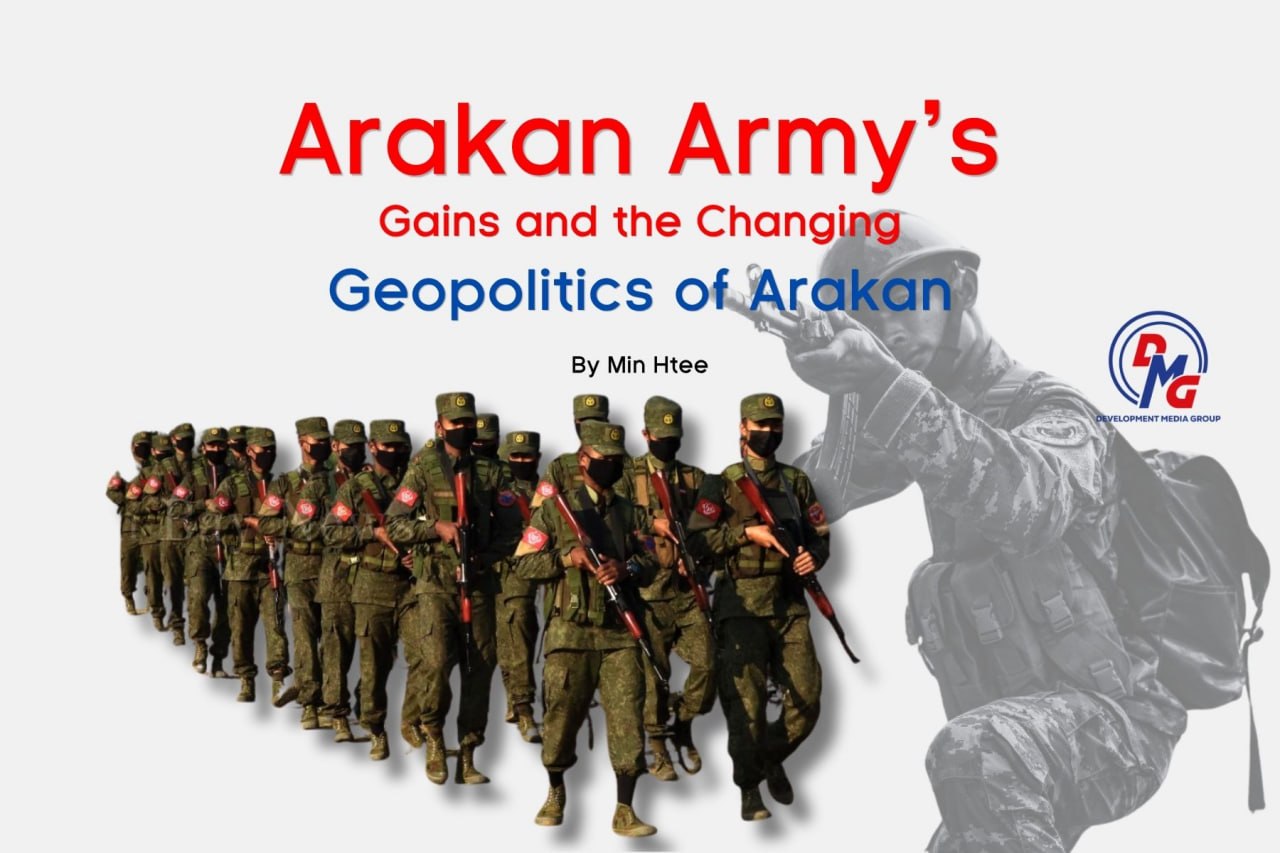
CAS said the ULA/AA has become particularly important because it controls border townships designated for refugee returns. Although it has yet to receive international recognition, the group has become an indispensable actor in the repatriation process because of its authority on the ground.
The paper describes political authority in Myanmar as fragmented among the military government based in Naypyidaw, the National Unity Government (NUG), and the ULA/AA, which CAS says exercises the greatest degree of effective authority on the ground in Arakan State.
Prolonged displacement is meanwhile creating additional obstacles to return, including tensions with host communities, violence in refugee camps, movement restrictions, onward migration and disputes over land and property in Arakan. CAS warns that each delay creates new realities that can make eventual repatriation more difficult.
Rather than seeking a single comprehensive political settlement, CAS recommends a “pragmatic, adaptive and multi-track approach.” This would include practical engagement with the ULA/AA on security and humanitarian access, sustained international pressure for reform of Myanmar's citizenship laws, and a greater role for credible and representative Rohingya bodies.
Without such an approach, the study warns, Rohingya repatriation could remain an unresolved part of a deeper regional crisis, with Rohingya refugees continuing to bear the greatest burden.

Top News
Clashes intensify at three locations near Sittwe ROC
By Admin 19 Oct 2026
Junta extends martial law in 55 townships, including AA-held areas
By Admin 19 Oct 2026
Financial hardship limits access to healthcare in Arakan
By Admin 19 Oct 2026
Rice shortages worsen in Taungup as prices soar
By Admin 19 Oct 2026
Junta airstrike kills at least seven, injures many in Paletwa Twsp
By Admin 19 Oct 2026