
- Victims’ families demand justice over Kyauktaw airstrike massacre
- Arakanese political parties face criticism over silence on Kyauktaw mass killing
- Arakan records highest civilian casualty toll in Myanmar amid airstrikes: NLTA
- Three killed, 12 injured, including children, in junta bombing of Rathedaung
- 92 groups urge Canada to expand sanctions on Myanmar oil and gas sector
Why did Arakanese politicians lose to USDP candidates?
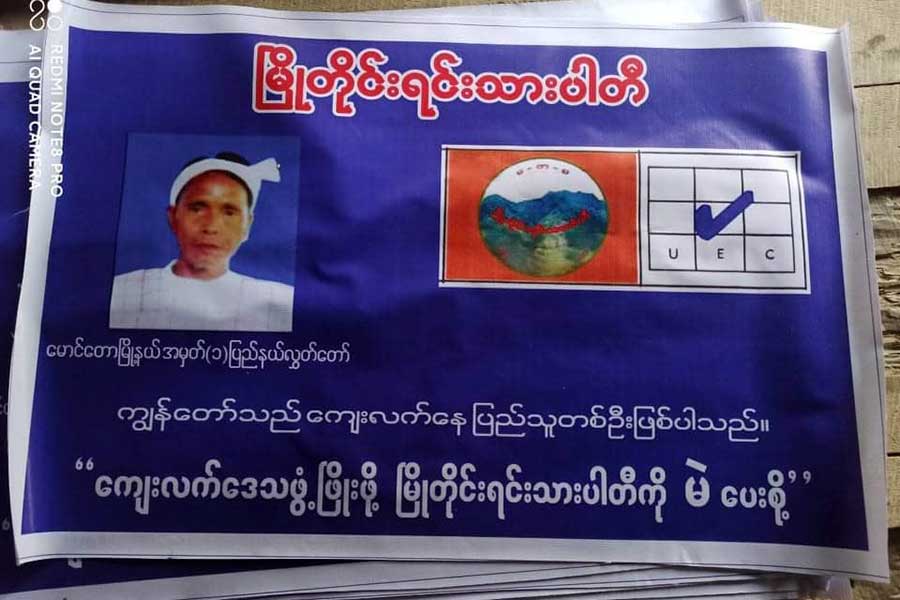
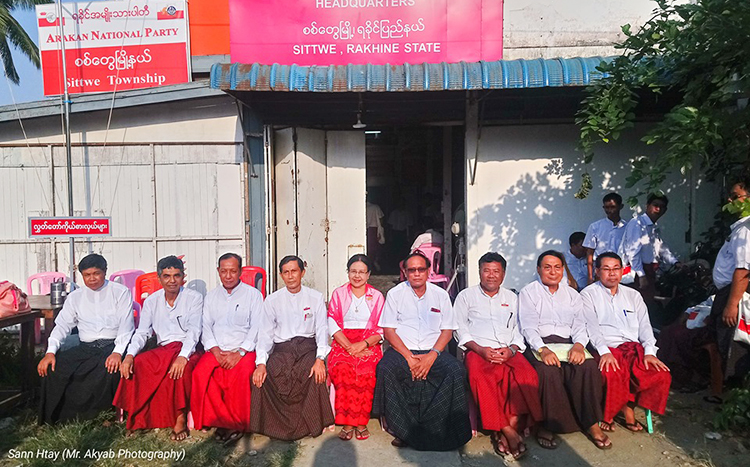
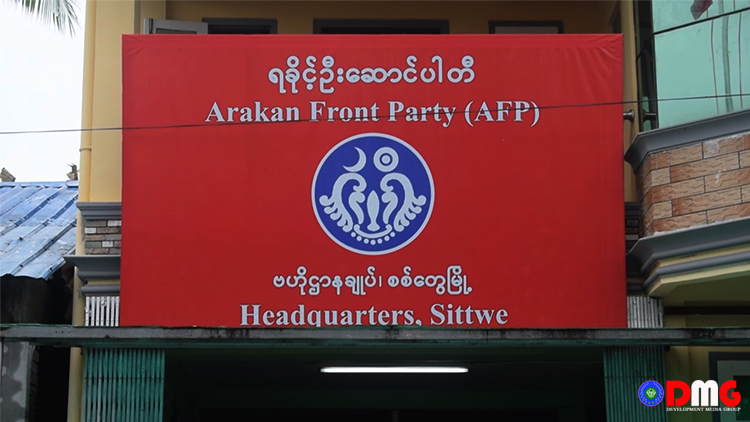
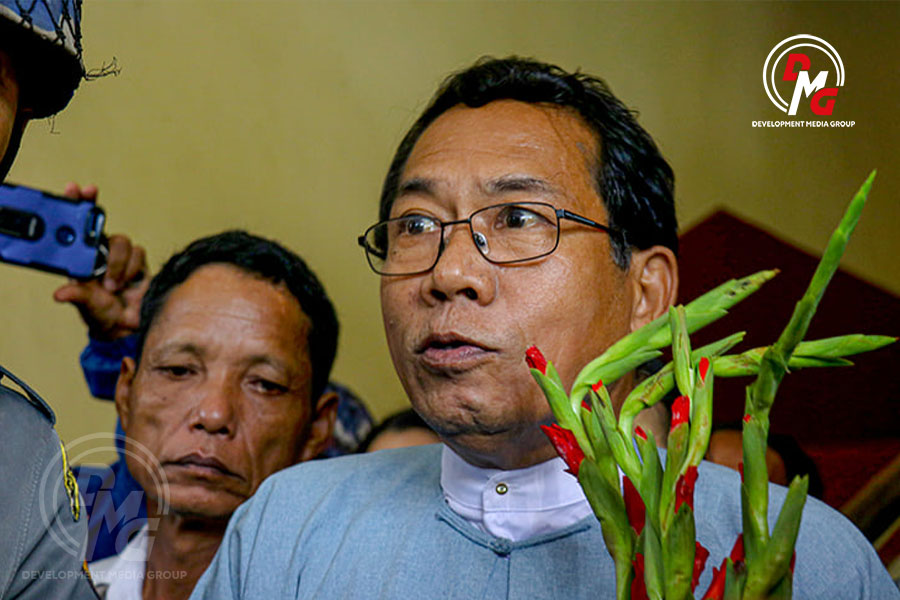
In the junta-organized election, Dr Aye Maung and U Ba Shein-prominent politicians in Arakan State from the Arakan Front Party (AFP) and the Rakhine Nationalities Party (RNP)-were defeated by candidates from the military-backed Union Solidarity and Development Party (USDP).
31 Dec 2025
DMG Newsroom
31 December 2025, Sittwe
In the junta-organized election, Dr Aye Maung and U Ba Shein-prominent politicians in Arakan State from the Arakan Front Party (AFP) and the Rakhine Nationalities Party (RNP)-were defeated by candidates from the military-backed Union Solidarity and Development Party (USDP).
Dr Aye Maung contested the Amyotha Hluttaw seat in Sittwe Township, while U Ba Shein ran for the Amyotha Hluttaw seat in Kyaukphyu Township. Both lost to USDP candidates.
In previous periods, Arakan political parties held strong influence in Arakan State and won a majority of parliamentary seats. However, this dominance has declined, with even well-known politicians now unable to compete with USDP candidates.
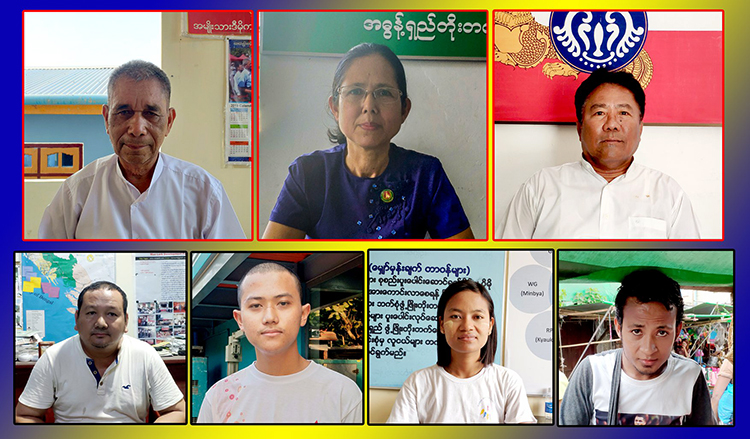
Politicians say Arakanese political leaders who contested and lost the junta-organized election failed to understand the political climate in Arakan State.
A former MP from Arakan State said the candidates focused narrowly on holding elections while ignoring public suffering.
"Before the election, the military could not be disbanded. Ethnic armed groups were forced into the spotlight, and the military sided with them. They campaigned as if the world would end without an election," the former MP said.
"They did not speak up for the people over issues such as the bombing of Mrauk-U Hospital. They showed no sympathy for those arrested and tortured, and did not dare say these actions were wrong. Instead, they kept talking about the election while ignoring the people's suffering. This created deep resentment among the public, which is the main reason they lost."
They added that a lack of understanding of the influence and public support for the Arakan Army, along with support for statements by the junta chief, further eroded public trust.
"Politicians failed to think ahead and only focused on becoming MPs," the former MP said. "Compared with the people's and the ULA's desire for self-governance and sovereignty, their political vision was at its lowest point. The public is no longer interested in promises limited to registration, road construction, or resettlement. They failed to inspire the people, which is why they lost."
Other political observers said Arakanese leaders who lost the election faced public backlash for failing to show compassion toward civilians affected by the military regime's actions during the conflict.
Daw Nyo Aye, chairperson of the Arakan Women's Network, said political leaders must reconsider whether they still have public acceptance.
"They may be defeated because they seek positions that the Arakanese people no longer wish to grant," she said. "At this point, the military regime and its allies are at the bottom. Political leaders must decide whether the people will accept them or whether they have destroyed their own politics. I am not saying their politics is dead."
In the military-held elections in Arakan State, voting took place in Sittwe, Kyaukphyu and Manaung townships. The USDP won in Sittwe and Kyaukphyu. In Manaung Township, the AFP won seats in the Amyotha Hluttaw and the state assembly, while the RNP won the Pyithu Hluttaw seat.
According to results from 40 townships in the first phase of the 2025 elections organized by the military regime, the USDP secured a landslide victory nationwide.

Top News
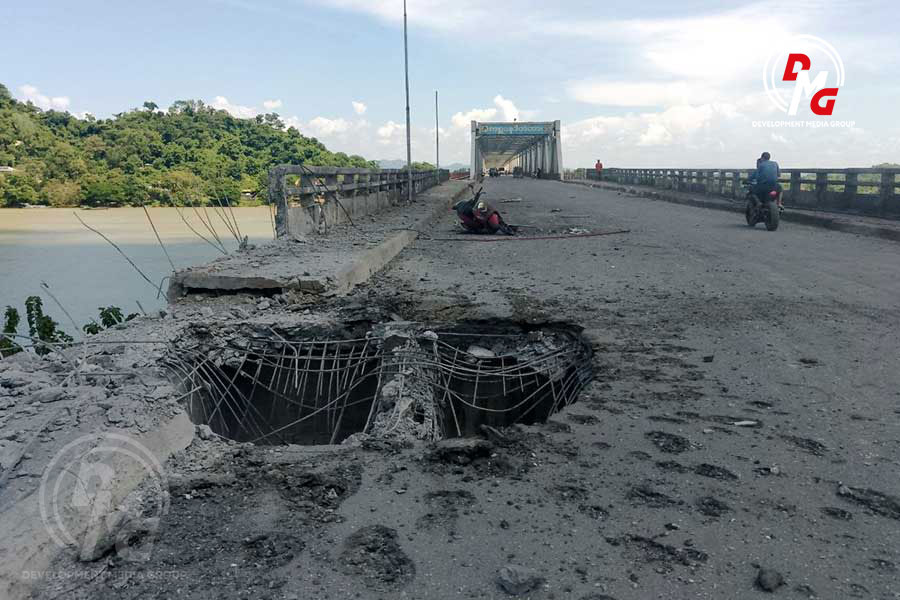
Victims’ families demand justice over Kyauktaw airstrike massacre
By Admin 03 Oct 2026
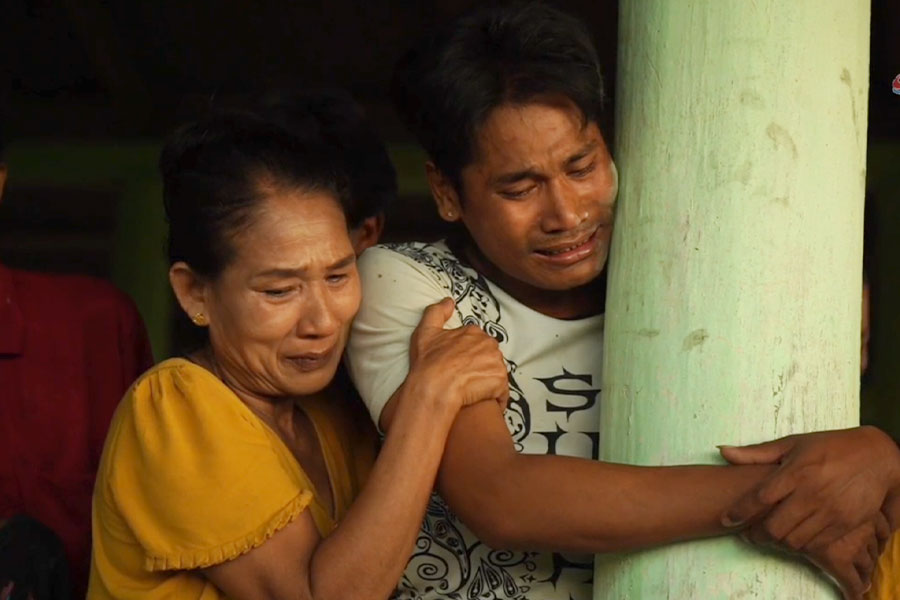
Arakanese political parties face criticism over silence on Kyauktaw mass killing
By Admin 03 Oct 2026
Arakan records highest civilian casualty toll in Myanmar amid airstrikes: NLTA
By Admin 03 Oct 2026
Three killed, 12 injured, including children, in junta bombing of Rathedaung
By Admin 03 Oct 2026
ULA launches recruitment drive for 105 agriculture and livestock positions
By Admin 02 Oct 2026