
- Junta launches multi-front offensive at five locations in Kyaukphyu
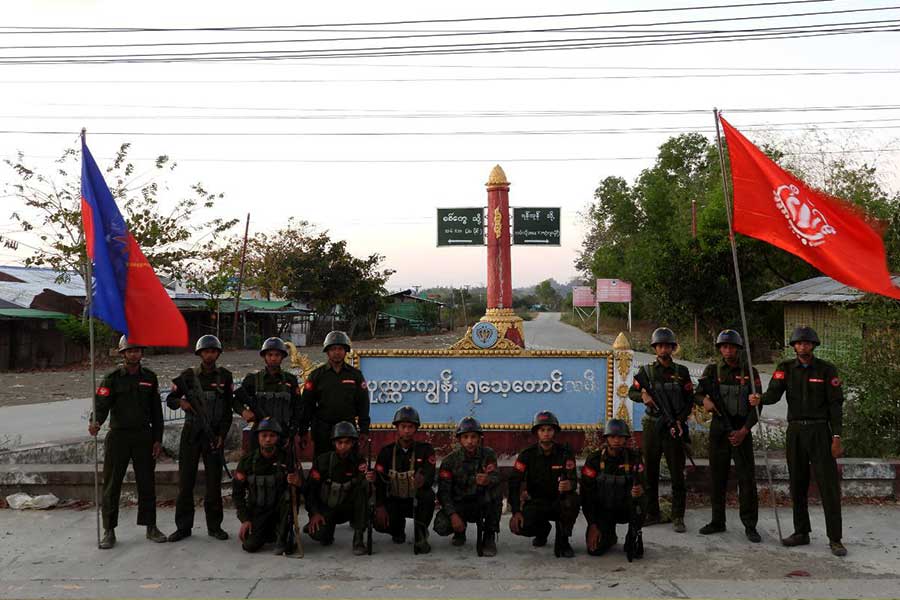
- Heavy fighting enters second week along Sittwe-Ponnagyun border
- 16-year-old sentenced to 10 years for child rape and murder in Maungdaw
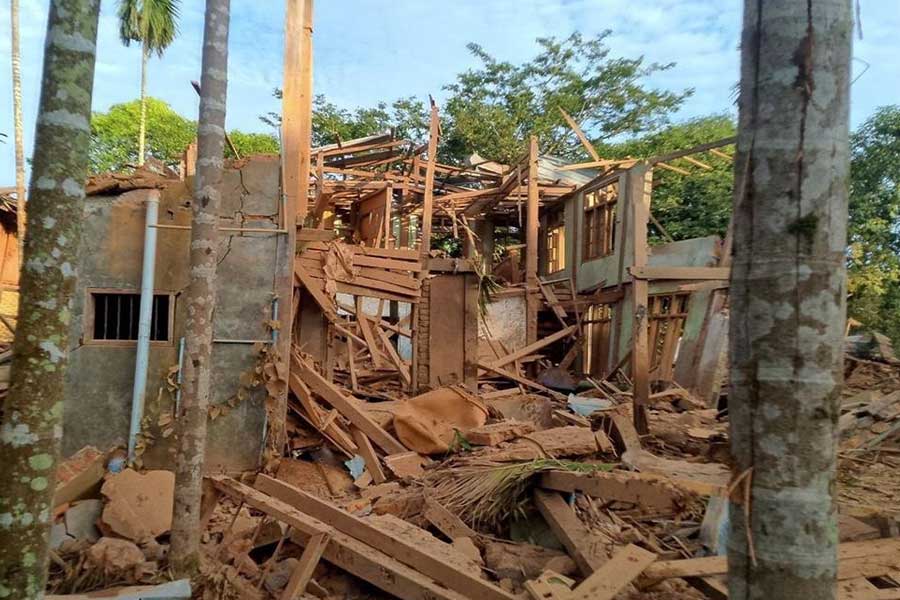
- Civilian casualties rise in southern Arakan amid relentless junta bombardments
- Photo exhibition in Mae Sot raises funds for Arakanese IDPs
What did Min Aung Hlaing achieve under his 100-day plan?
With the 100-day period ending on July 31, questions have grown over what, if anything, was achieved under the plan.
01 Aug 2026
DMG Newsroom
1 August 2026, Nay Pyi Taw
On April 20, self-appointed President Min Aung Hlaing, who assumed office following the military-staged election, pledged that his administration’s first 100-day plan would prioritize nationwide peace negotiations, economic and infrastructure development, telecommunications, as well as education and healthcare.
With the 100-day period ending on July 31, questions have grown over what, if anything, was achieved under the plan.
Peace process
The peace process was the most closely watched component of Min Aung Hlaing’s 100-day agenda.
As part of the plan, Min Aung Hlaing extended peace invitations to Nationwide Ceasefire Agreement (NCA) signatories, including the Karen National Union (KNU), Chin National Front (CNF), and All Burma Students’ Democratic Front (ABSDF), as well as other Ethnic Armed Organizations (EAOs) and People’s Defence Forces (PDFs).
However, the KNU, CNF and ABSDF publicly rejected the invitation.
The military regime also failed to bring major revolutionary forces actively fighting against it, including the Arakan Army, Kachin Independence Army (KIA), KNU, National Unity Government (NUG), other EAOs and PDFs, to the negotiating table.
During the 100-day period, the regime met in Nay Pyi Taw with the Ta'ang National Liberation Army (TNLA), which had entered into a ceasefire under Chinese pressure.
Political engagement was largely limited to northern Shan State-based groups, including the United Wa State Army (UWSA), National Democratic Alliance Army (NDAA), and Shan State Progress Party (SSPP), as well as regular meetings with the alliance of seven NCA signatory groups.
Although the regime claimed it held peace talks with 13 EAOs during the 100-day period, key revolutionary organizations remained absent from the process, leaving the peace initiative without the participation of the main armed groups engaged in the conflict.
Economy and development
Economic and development issues remained a major concern, particularly for working-class families.
Despite Min Aung Hlaing’s pledge to stabilize commodity prices, the cost of basic food items continued to rise, including in junta-controlled cities such as Yangon, Mandalay and Nay Pyi Taw. The price of a single egg reportedly increased from K400 to K700.
Prices of other essential goods, including rice, cooking oil, salt, medicine and fuel, also continued to increase, placing additional pressure on household incomes.
Access to agricultural loans and development programmes remained limited, with benefits reportedly reaching only a small number of military-linked business figures.
Business operators also said efforts by the Central Bank of Myanmar to control inflation and stabilize the exchange rate through regulatory measures failed to prevent the continued depreciation of the kyat against the US dollar.
Electricity shortages also persisted throughout the country, disrupting businesses and industrial operations. Rising fuel prices and dependence on generators forced many micro, small and medium enterprises (MSMEs) to suspend operations.
Telecommunications and infrastructure
Telecommunications remained a major challenge following years of network disruptions after the 2021 military coup.
Although the administration pledged to build 27 new mobile towers and expand 4G LTE coverage during the 100-day period, mobile phone and internet services remained unavailable in conflict-affected areas, including Sagaing and Magway regions, as well as Kachin, Chin and Arakan states.
In junta-controlled areas, authorities also continued arresting and prosecuting people accused of using virtual private networks (VPNs).
Trade and transportation also remained disrupted, with restrictions on cargo shipments to resistance-held areas continuing while transport routes in junta-controlled areas experienced repeated closures.
Education and healthcare
During a high-level government meeting on April 20, Min Aung Hlaing pledged increased funding for education, upgrades to nursing training schools, and the appointment of secondary health officers in 50 districts and townships.
However, none of those commitments had been implemented by the end of the 100-day period. While the education and healthcare sectors continued operating, no significant improvements or measurable progress were announced.
Min Aung Hlaing’s response
Speaking at the Pyidaungsu Hluttaw in Nay Pyi Taw on July 31, Min Aung Hlaing defended his administration’s performance, saying his government had successfully laid the foundation for two priority objectives: national stability and national development.
He also criticized ASEAN’s Five-Point Consensus as discriminatory toward Myanmar and reiterated that the Military Service Law would remain in force to strengthen the operational capacity of the military and the Myanmar Police Force.

Top News
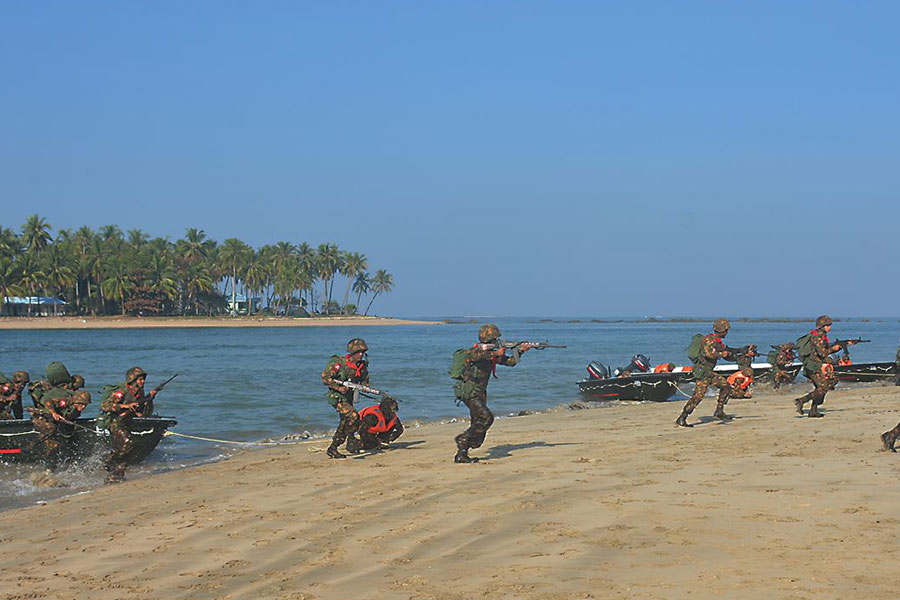
Junta launches multi-front offensive at five locations in Kyaukphyu
By Admin 15 Sep 2026
Heavy fighting enters second week along Sittwe-Ponnagyun border
By Admin 15 Sep 2026

16-year-old sentenced to 10 years for child rape and murder in Maungdaw
By Admin 15 Sep 2026
Civilian casualties rise in southern Arakan amid relentless junta bombardments
By Admin 14 Sep 2026
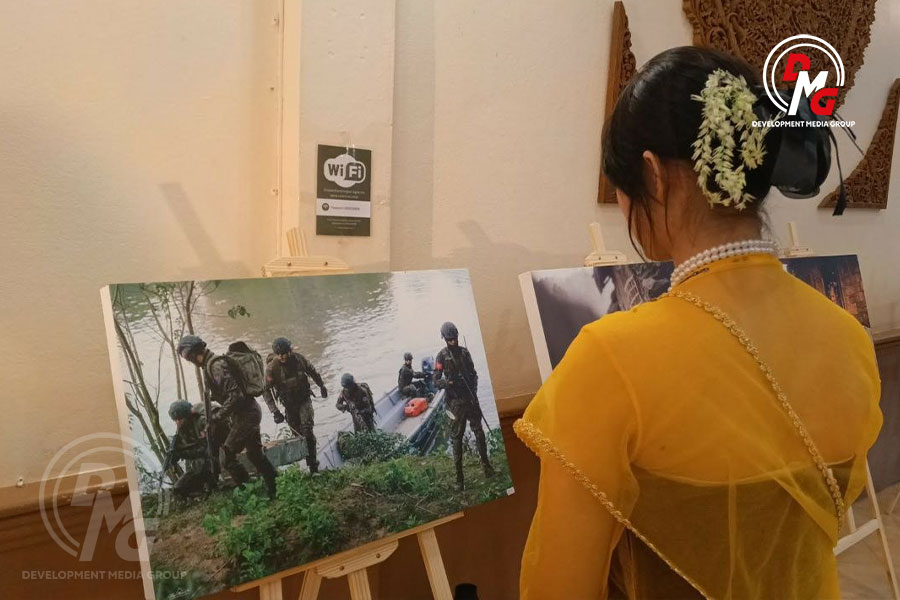
Photo exhibition in Mae Sot raises funds for Arakanese IDPs
By Admin 14 Sep 2026

.jpg)