

- High airfares leave low-income families stranded in blockaded Sittwe
- MSF rrges civilian protection after Sittwe shelling kills two, injures 17
- ULA warns Arakan residents of airstrike risks during Thadingyut festival
- Months-long internet blackout drives up costs for residents of Thandwe and Gwa
- At least five injured in junta Y-12 airstrikes on Werathani villages
Women in IDP camps lack security
IDP camps are located in monasteries, the rooms are tiny, camps are crowded, toilets are far from their rooms and there is no privacy for women to change their clothes and to bath and sleep. These are challenges for women in IDP camps.
21 Jul 2019
Khin Tharaphy Oo | DMG
21 July, Sittwe
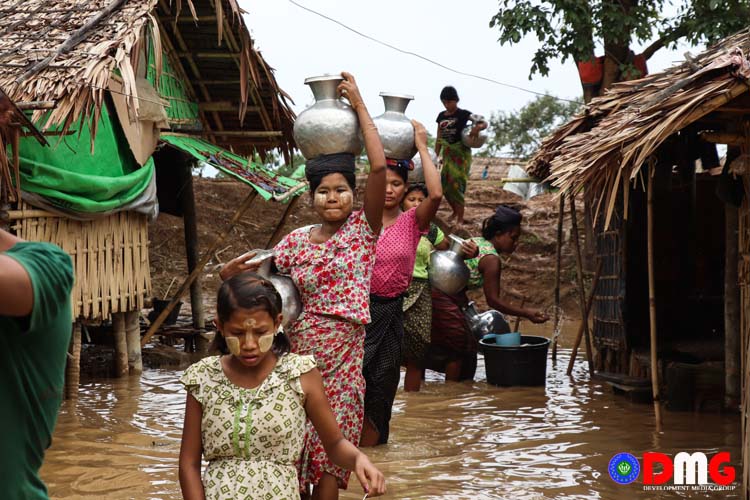
Most of the internally displaced persons who have been taking shelter in refugee camps are women that have little security.
IDP camps are located in monasteries, the rooms are tiny, camps are crowded, toilets are far from their rooms and there is no privacy for women to change their clothes and to bath and sleep. These are challenges for women in IDP camps.
Although they have fled from their homes in fear of their safety, they do not feel secure in the camp because they live and sleep without any privacy, said Ma Phoo Pwint Kyaw, who fled from Baung Dut village in Mrauk-U Township and is taking refuge in Pee Pin Yin IDP camp.
“There are no doors in the room, so I can’t sleep well. Women are worried about unexpected danger. Since other people are from the same village, we feel some sense of camaraderie,” she said.
Most of the camps do not have sufficient toilets and tiny rooms are not convenient for big families.
Daw Pan Mya Oo who fled from Lekka village said that women face a lot of problems in Tin Nyo IDP camp in Mrauk-U Township where about 3000 people are taking shelter.
“Our shelter has two tiny rooms. We use the rooms to keep all our personal belongings. There is no privacy for women to sleep and change their clothes. Another problem is that the toilet is far from the shelter so it is not convenient for women to go toilet at nights,” she said.
The number of IDPs has now reached more than 50,000 and women make up about 60 percent.

Top News
High airfares leave low-income families stranded in blockaded Sittwe
By Admin 25 Oct 2026
MSF rrges civilian protection after Sittwe shelling kills two, injures 17
By Admin 25 Oct 2026
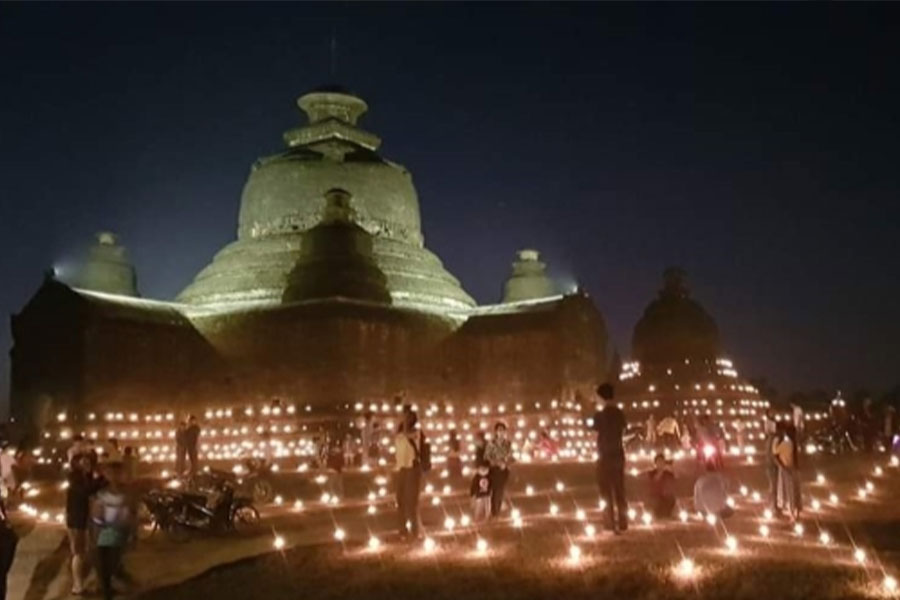
ULA warns Arakan residents of airstrike risks during Thadingyut festival
By Admin 24 Oct 2026
Months-long internet blackout drives up costs for residents of Thandwe and Gwa
By Admin 24 Oct 2026
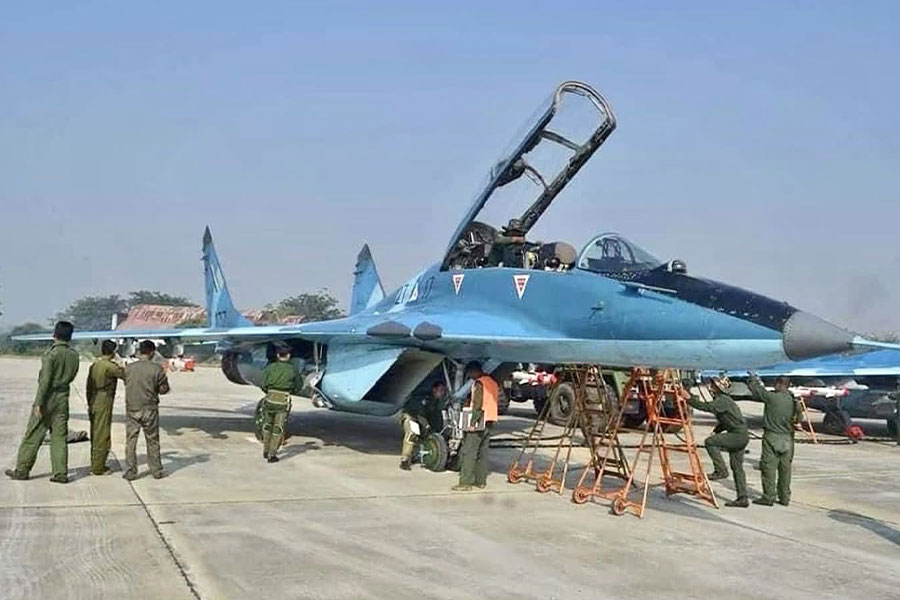
At least five injured in junta Y-12 airstrikes on Werathani villages
By Admin 24 Oct 2026