


- Regime deploys nearly 100 police personnel to Sittwe amid intense fighting
- Junta airstrikes on Kyeintali Town, nearby village injure two civilians
- AA clashes with ARSA in northern Maungdaw
- Arakan records most armed incidents, civilian-targeted airstrikes in Myanmar: Report
- Nay Pyi Taw talks between junta, MNDAA halt over special region demand
Groundnut acreage declines in Arakan State due to seed shortages
Among winter crops in the state, groundnut is the most profitable for farmers. However, farmers say they are unable to expand cultivation because of limited access to seeds.
22 Dec 2025
DMG Newsroom
22 December 2025, Kyauktaw
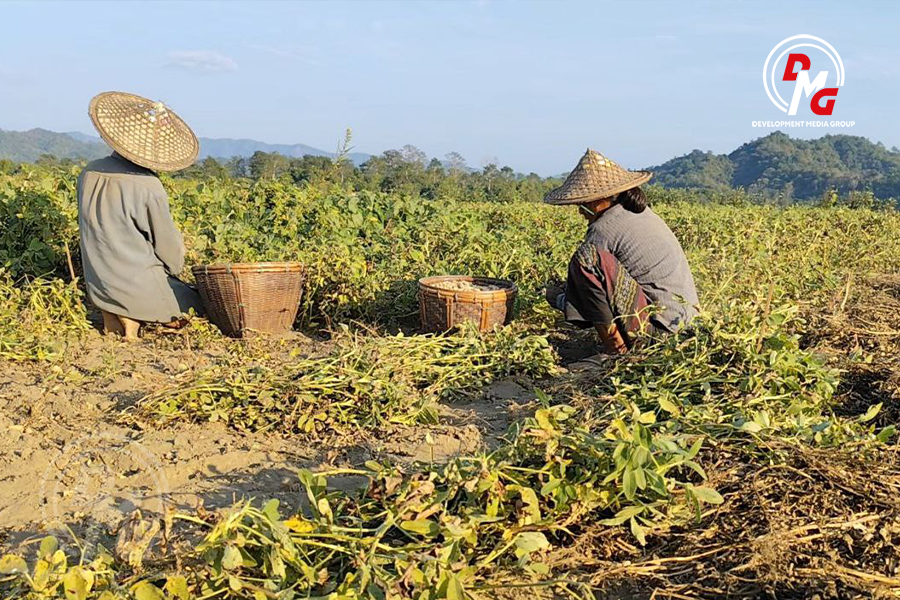
Local farmers say groundnut cultivation has declined significantly this year due to shortages of seeds and difficulties in purchasing them, despite groundnut being the most commercially important winter crop in Arakan State.
Among winter crops in the state, groundnut is the most profitable for farmers. However, farmers say they are unable to expand cultivation because of limited access to seeds.
“I want to grow groundnuts, but I can’t because I don’t have seeds. Many farmers in our village and nearby villages are in the same situation,” said U Kyaw Kyaw Soe, a farmer from Inbaryi Village in Kyauktaw Township.
Before fighting spread across Arakan State, more than 200,000 acres were planted with groundnut. The crop was grown commercially in Kyauktaw, Ponnagyun, Mrauk-U and Minbya townships, and on a smaller scale in Kyaukphyu, Ramree and Manaung townships.
Arakanese farmers have long relied on groundnut seeds purchased from mainland Myanmar. However, since the latest fighting in the state, access to these supplies has gradually been cut off.
“The groundnut seeds available in my area are not germinating well,” said Daw Yin Yin Oo, a farmer from Dokkanchaung Village in Kyauktaw Township. “Those who have stored their own seeds only have small amounts and do not distribute them, so farmers have to order seeds from mainland Myanmar.”
Groundnut is the main edible oil crop in Arakan State. In previous years, farmers earned around K3.5 million per acre, with profits of about K1.5 million after deducting input costs.
Farmers rely on winter groundnut cultivation to cover the costs of monsoon paddy farming and to support their families, regardless of fluctuations in the rice market.
Farmers said the United League of Arakan (ULA) should address the difficulties facing the agricultural sector.
“Groundnut is beneficial for farmers in our area. Income from groundnut sales helps us get through the monsoon paddy season,” said U Aye Swe, a farmer from Dokkanchaung Village. “I would like the ULA to help find ways for farmers to obtain groundnut seeds.”
He added that Dokkanchaung Village previously had about 500 acres of groundnut plantations, but since the latest fighting, the area has fallen to about 30 acres, raising concerns about the future of agriculture.
Across Arakan State, farmers are facing increasing challenges following the fighting. Even before the latest conflict, winter crop acreage had already declined by 60 percent due to various difficulties.
According to the Arakan Farmers’ Union (AFU), out of more than 1.2 million acres of cultivated land in Arakan State, over 500,000 acres are planted with winter crops, with groundnut as the main crop.

Top News
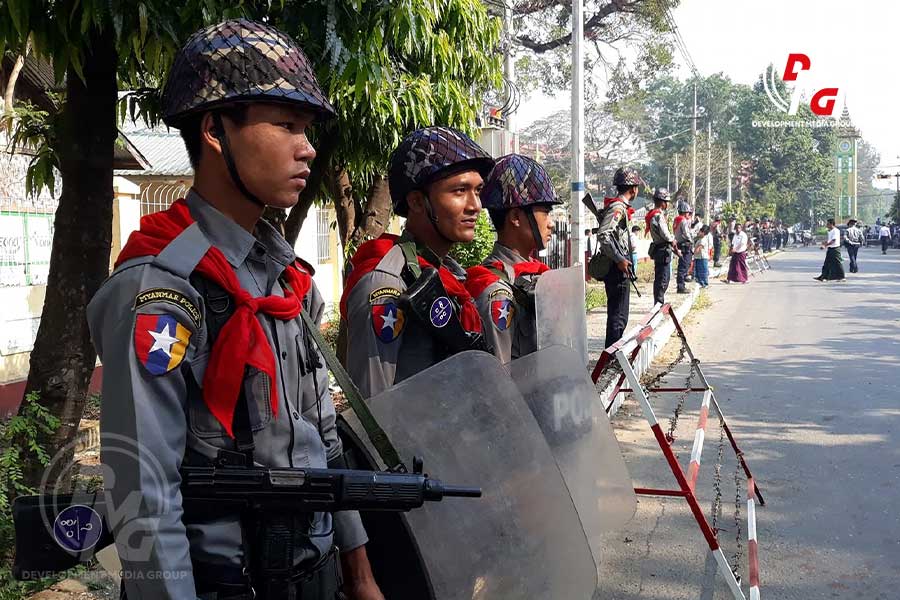
Regime deploys nearly 100 police personnel to Sittwe amid intense fighting
By Admin 26 Sep 2026
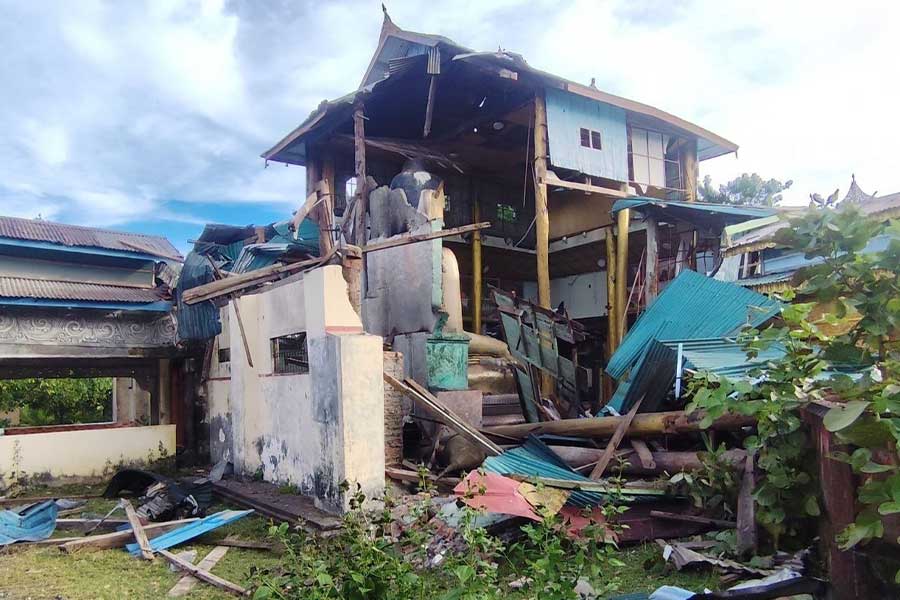
Junta airstrikes on Kyeintali Town, nearby village injure two civilians
By Admin 26 Sep 2026
AA clashes with ARSA in northern Maungdaw
By Admin 26 Sep 2026
Arakan records most armed incidents, civilian-targeted airstrikes in Myanmar: Report
By Admin 26 Sep 2026






.jpg)