


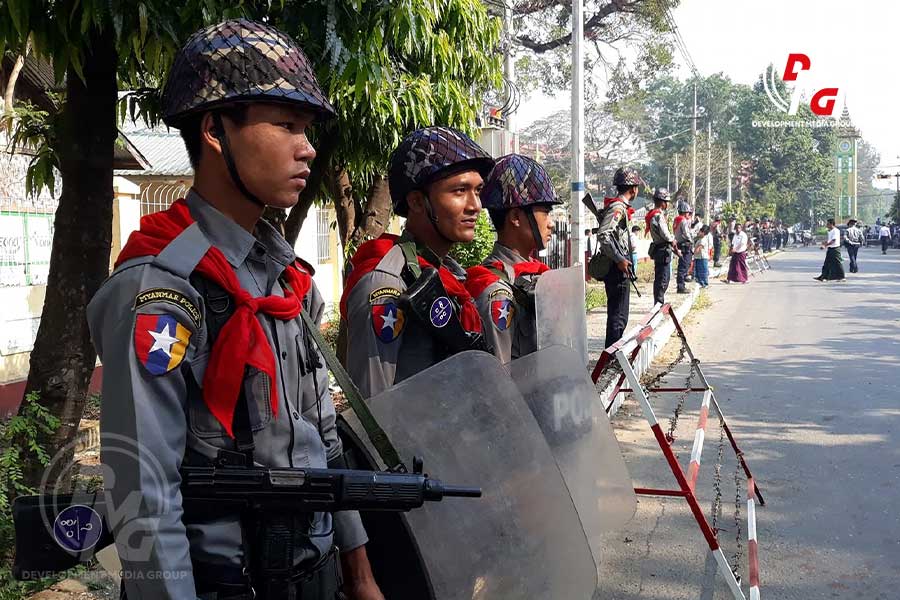
- Regime deploys nearly 100 police personnel to Sittwe amid intense fighting
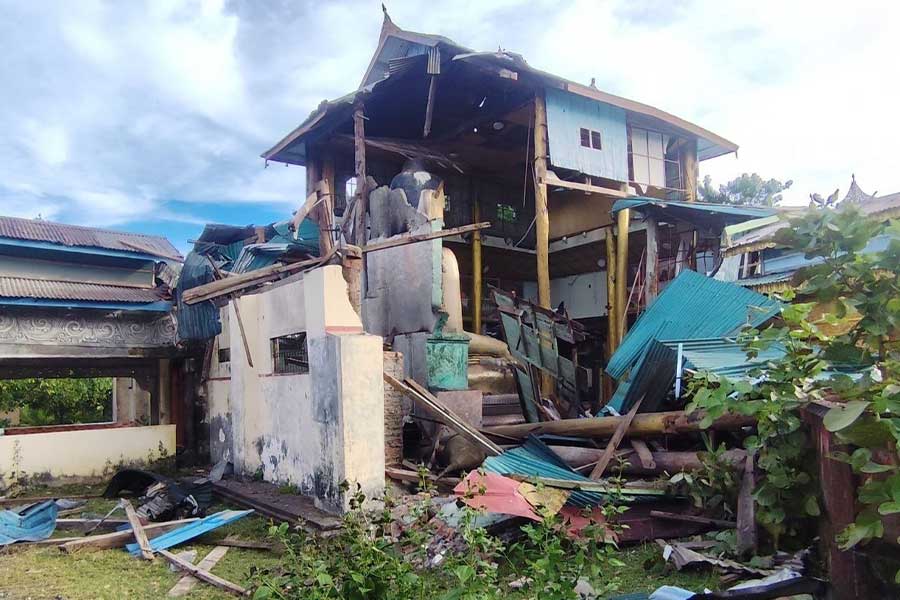
- Junta airstrikes on Kyeintali Town, nearby village injure two civilians
- AA clashes with ARSA in northern Maungdaw
- Arakan records most armed incidents, civilian-targeted airstrikes in Myanmar: Report
- Nay Pyi Taw talks between junta, MNDAA halt over special region demand
Arakanese merchants seek access to Indian market via Mizoram trade route
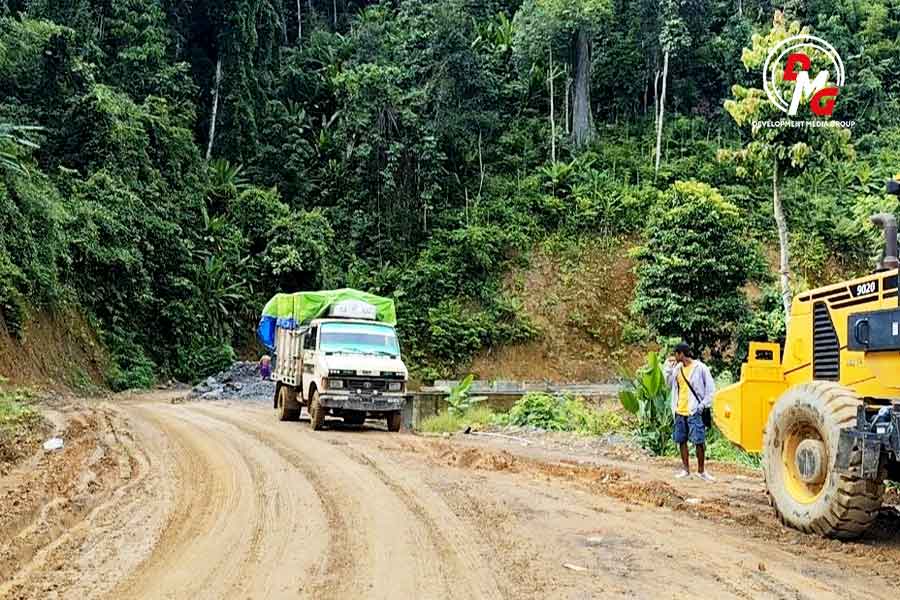
Arakanese merchants are seeking permission to export local products from Arakan State to India through the Mizoram trade route, which they say is a key corridor for cross-border commerce.
09 Feb 2026
DMG Newsroom
9 February 2026, Mrauk-U
Arakanese merchants are seeking permission to export local products from Arakan State to India through the Mizoram trade route, which they say is a key corridor for cross-border commerce.
While basic commodities are currently imported from India into Arakan State, no local products have yet been approved for export. Traders say establishing bilateral trade would benefit both economies.
At present, hundreds of Arakanese merchants purchase medicines, fuel and basic foodstuffs worth tens of billions of kyats each day from India. However, the absence of exports from Arakan State has created a significant trade imbalance.
“The trade is currently one-sided, mainly benefiting people in Mizoram and offering few opportunities for the people of Arakan,” said an Arakanese merchant currently in Mizoram State. “Establishing reciprocal trade as soon as possible would be beneficial for both sides.”
Amid intensified fighting for control of towns and food blockades imposed by the military regime, the United League of Arakan/Arakan Army (ULA/AA) established the Mizoram–Arakan trade route in mid-2024 to meet essential needs in Arakan State.
Mizoram, a mountainous state with limited agricultural land, relies on India’s Punjab State for about 90 percent of its food supply, including rice, beans, fish and prawns. Arakanese merchants say sourcing these products from neighboring Arakan State would be mutually advantageous.
“Even if we cannot produce high-tech goods because of the conflict, India needs our basic food products,” said a merchant from Mrauk-U. “If exports are permitted, it would help balance trade and generate foreign currency.”
Arakan State’s economy is largely based on agriculture and fisheries, producing rice, beans, vegetables, fish, prawns and dried fish, products that merchants are eager to export to India.
“Food imports from Mizoram are crucial for the survival of the Arakanese people,” said a local businessman. “At the same time, Arakan has products that Mizoram needs. This should be used to create opportunities for reconstruction in Arakan State.”
Currently, border trade remains limited to imports from India. Merchants say a reciprocal trade agreement between the ULA/AA and Indian authorities would open new markets for Arakanese farmers, fishermen and traders, contributing to regional economic development.
The ULA/AA currently controls the Kaladan River and Paletwa routes, which are used to import Indian goods to meet domestic demand.
Meanwhile, Indian authorities expect the Kaladan Multi-Modal Transit Transport Project, which is a key component of India’s Act East policy to be completed by 2027. Launched in 2008, the project has faced prolonged delays due to armed conflict, regional instability and administrative challenges.

Top News
Regime deploys nearly 100 police personnel to Sittwe amid intense fighting
By Admin 26 Sep 2026
Junta airstrikes on Kyeintali Town, nearby village injure two civilians
By Admin 26 Sep 2026
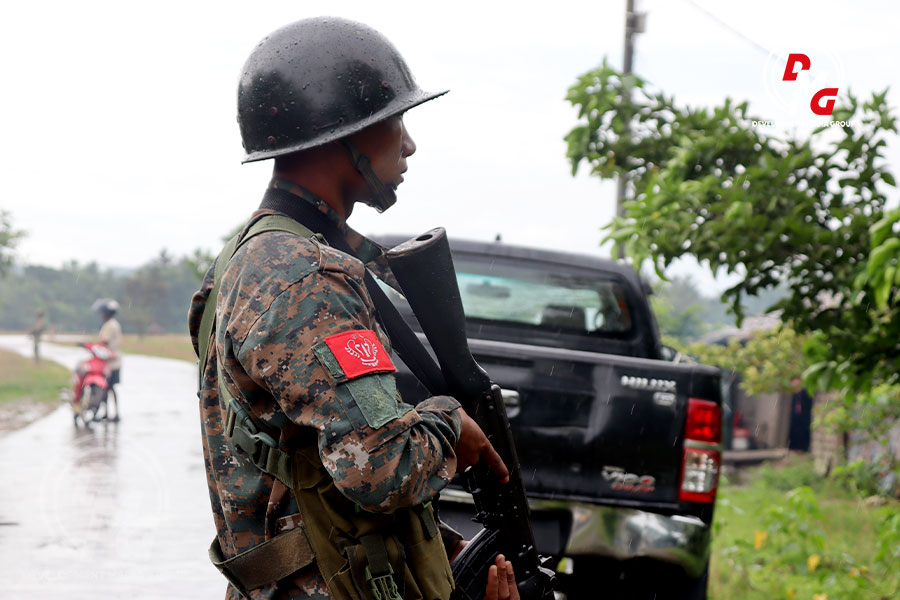
AA clashes with ARSA in northern Maungdaw
By Admin 26 Sep 2026
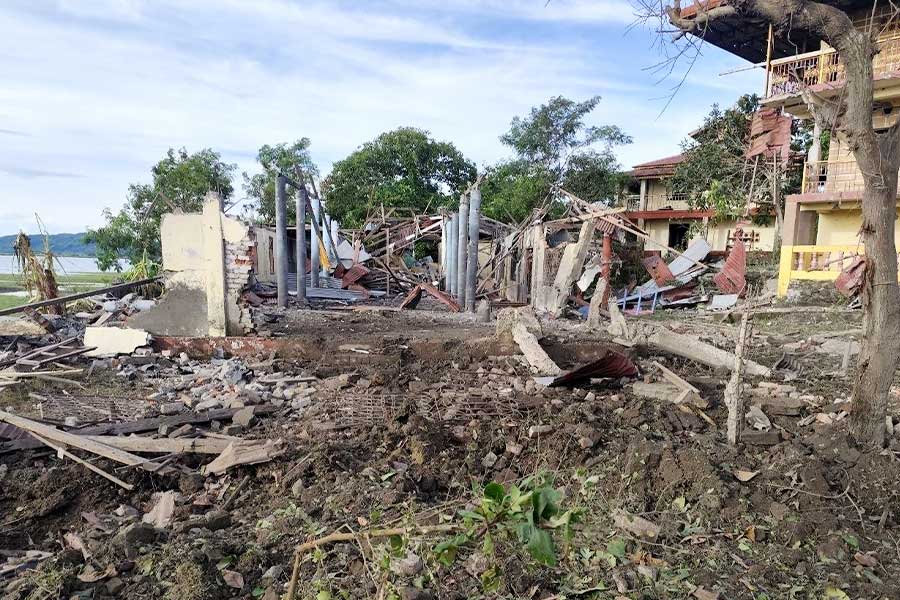
Arakan records most armed incidents, civilian-targeted airstrikes in Myanmar: Report
By Admin 26 Sep 2026






.jpg)