
- Malaria cases surge across Ann Twsp as residents struggle to access healthcare
- Arakan’s elderly face deepening crisis amid war: CAS study
- ULA detains Arakanese merchants over Khaikhy dispute, moves to resolve issue
- Arakan Army captures four junta outposts on Sittwe-Ponnagyun front
- Magway records most airstrikes since new military chief took command: ISP-Myanmar
Arakanese political parties face backlash over silence on deadly junta airstrikes
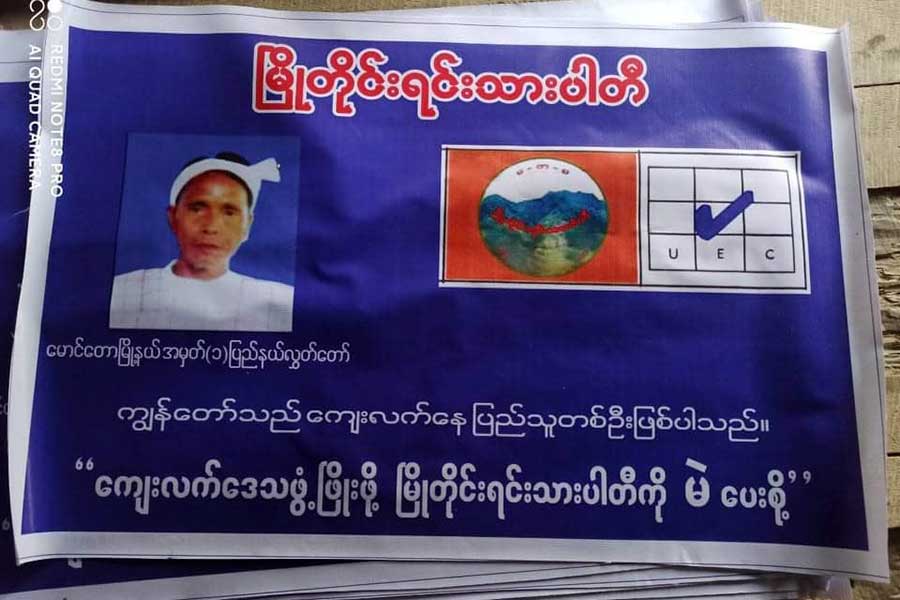
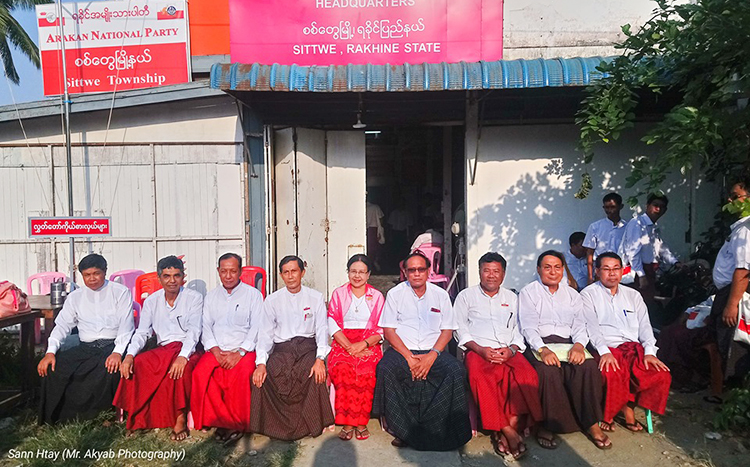
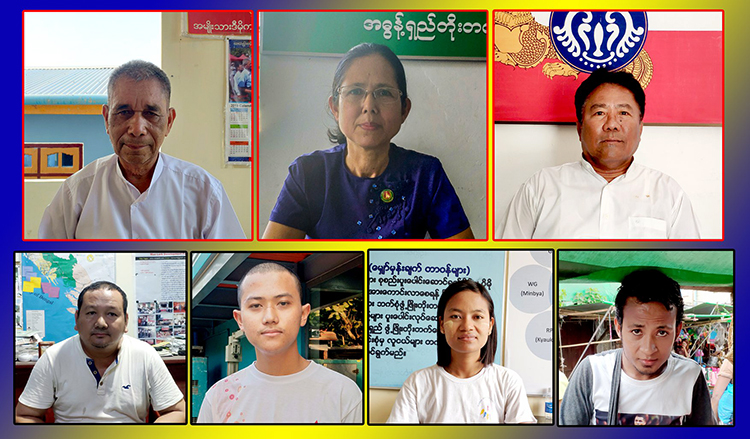
Junta-registered Arakan political parties and lawmakers are facing public criticism for remaining silent as military airstrikes continue to kill civilians across Arakan State, residents and activists reported Saturday.
20 Jun 2026
DMG Newsroom
20 June 2026, Sittwe
Junta-registered Arakan political parties and lawmakers are facing public criticism for remaining silent as military airstrikes continue to kill civilians across Arakan State, residents and activists reported Saturday.
Despite rising civilian casualties and widespread destruction caused by repeated junta bombardments, political groups in Arakan State have not issued official statements condemning the attacks.
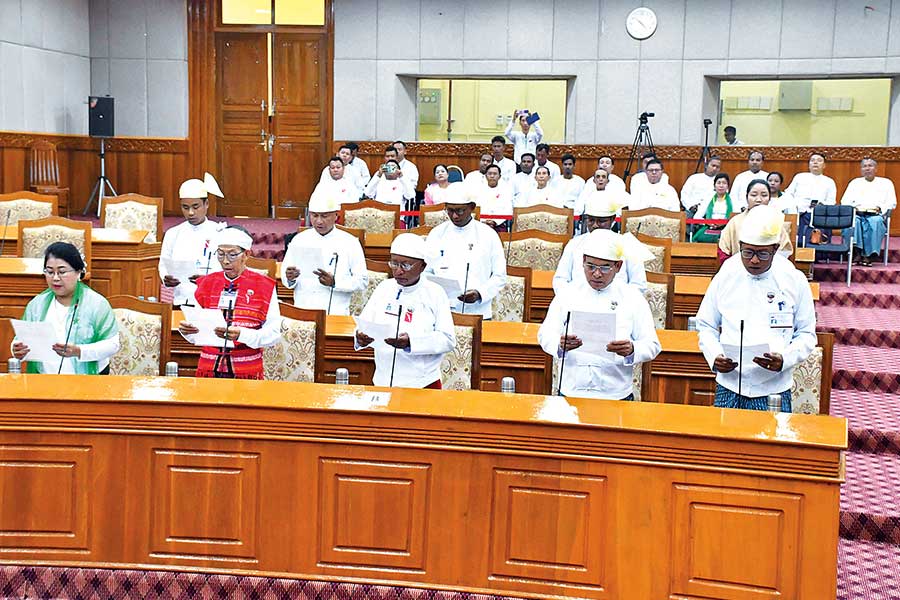
Lawmakers participating in the regime backed parliament have also failed to submit motions or raise formal questions regarding the humanitarian crisis.
"These politicians are using public service as a cover for personal and family interests," said Ko Wai Hun Aung, a local humanitarian worker. "They have become supporters of the military council since joining the junta administration and no longer represent the people."
The civilian impact remains severe. According to figures released by the Arakan Army, junta airstrikes conducted between June 14 and 17 in Kyauktaw and Gwa townships killed 10 civilians, injured 24 others, and destroyed homes, schools, Buddhist monasteries, and local businesses.
Additional airstrikes during June have affected Ramree, Kyaukphyu, Toungup, and Paletwa townships, causing further civilian casualties and damage to livestock and property.
Former lawmakers have also criticized current political representatives, accusing them of avoiding confrontation with the military regime.
"The parties currently claiming to represent Arakan lack the courage to challenge the regime," a former Arakan State lawmaker said. "Their approach is focused on cooperating with the junta to obtain limited development benefits while avoiding major political issues."
Observers said lawmakers from Arakan State have largely focused on local development matters while avoiding issues such as political deadlock, restrictions on essential goods, and the worsening situation of internally displaced people.
"They fear personal consequences and junta retaliation, which has made them silent," the former lawmaker added. "Their responsibility is to raise public concerns and challenge abuses, but they have failed to do so."
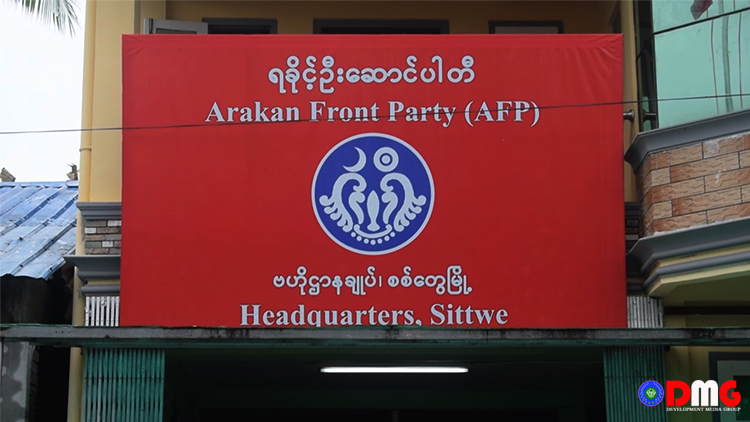
Political parties currently holding seats in the junta-backed parliament include the Arakan Front Party led by Dr. Aye Maung, the Rakhine Nationalities Party led by U Ba Shein, and representatives from the Union Solidarity and Development Party.
Analysts said the increase in aerial attacks is linked to the junta’s loss of territorial control across Arakan State.
With the Arakan Army controlling most of the state and continuing operations against remaining junta positions in Sittwe and Kyaukphyu, the military regime has increasingly relied on airstrikes against civilian areas.

Top News
Malaria cases surge across Ann Twsp as residents struggle to access healthcare
By Admin 19 Sep 2026
Arakan’s elderly face deepening crisis amid war: CAS study
By Admin 19 Sep 2026
ULA detains Arakanese merchants over Khaikhy dispute, moves to resolve issue
By Admin 18 Sep 2026
Arakan Army captures four junta outposts on Sittwe-Ponnagyun front
By Admin 18 Sep 2026
Magway records most airstrikes since new military chief took command: ISP-Myanmar
By Admin 17 Sep 2026

.jpg)