

- ISP-Myanmar reports at least 115 mass civilian killing incidents across Myanmar
- Junta airstrikes on Ponnagyun, Rathedaung villages kill one, injure three
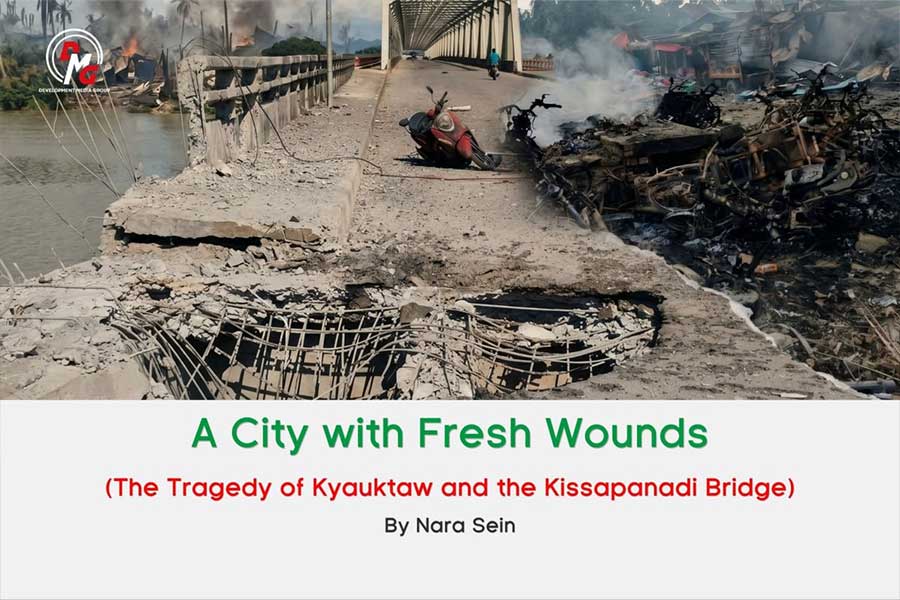
- UN High Commissioner, UK condemn Kyauktaw airstrike killing at least 50 civilians
- ULA/AA faces governance challenges as it consolidates control in Arakan: ISP-Myanmar
- Death toll from Kyauktaw airstrike rises to 50
Deforestation rising in ethnic areas since coup, environmentalists say
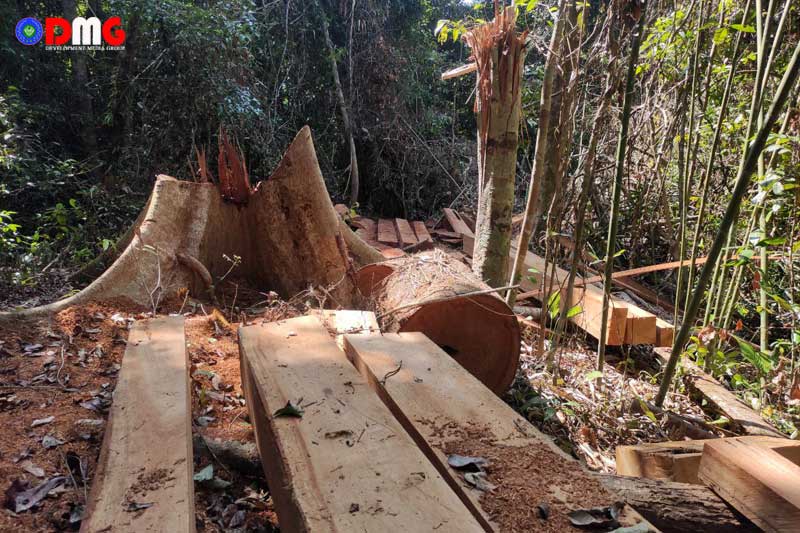
Environmentalists say Myanmar’s armed conflict has led to an increase in airstrikes and illegal logging in ethnic areas, with large investment projects contributing to worrying deforestation.
04 Jul 2023
DMG Newsroom
4 July 2023, Sittwe
Environmentalists say Myanmar’s armed conflict has led to an increase in airstrikes and illegal logging in ethnic areas, with large investment projects contributing to worrying deforestation.
Deforestation has become harder to control since the coup, and environmentalists say businessmen are manipulating timber production to their liking by paying higher tax rates.
“Deforestation does not benefit the local indigenous people. Due to deforestation, local people have lost their land and trees, and nature has been damaged. If the local people ban timber production, they are threatened,” said Ma Hsai Ye, an environmentalist from the Kachin Conservation Working Group (KCWG).
On July 1, Karen Rivers Watch, a local civil society organisation, held an online conversation on deforestation, titled “Hope for Indigenous Peoples to Resist Climate Change,” with environmentalists from Myanmar’s ethnic areas in attendance.
Environmental activists say that after the coup, armed conflict in ethnic areas increased, law enforcement weakened, and forest conservation activities declined.
“The ethnic areas are suffering from natural disasters due to lack of rule of law and good management systems,” said Naw Esther of the All Burma Indigenous Peoples Alliance (ABIPA).
Millions of people have been affected by natural disasters in Arakan State, Sagaing and Magway regions and elsewhere in Myanmar, many of whom are facing the negative effects of climate change as a consequence of deforestation.
Environmental activists are urging that armed groups from conflict areas establish good policies regarding deforestation in the areas they control and carry out conservation activities.
“In this situation, we cannot rely on the junta to preserve forests,” said Pado Mahn Ba Tun, an official from the Karen National Union (KNU) forest department. “It is the responsibility of all people not to destroy the forests in their respective areas.”

Top News
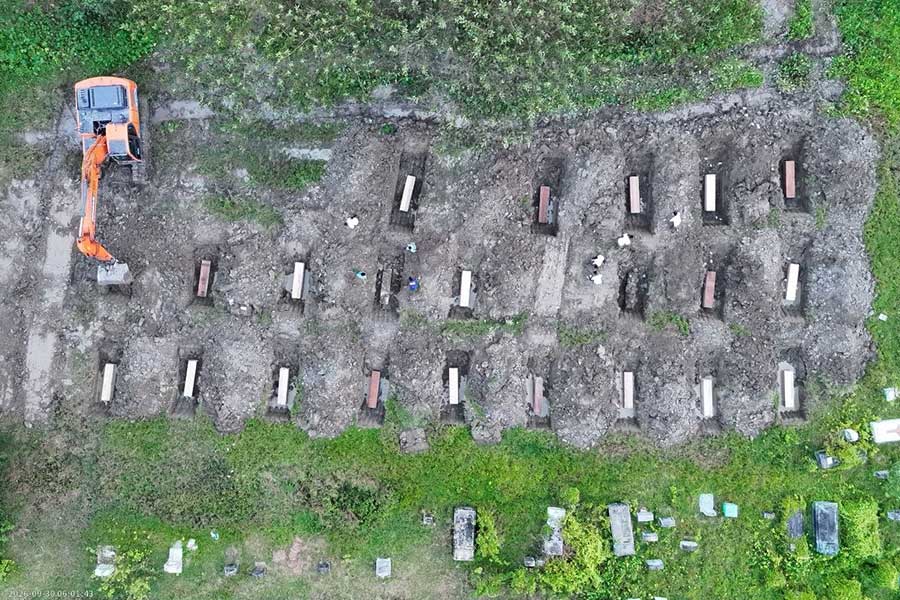
ISP-Myanmar reports at least 115 mass civilian killing incidents across Myanmar
By Admin 01 Oct 2026

Junta airstrikes on Ponnagyun, Rathedaung villages kill one, injure three
By Admin 01 Oct 2026
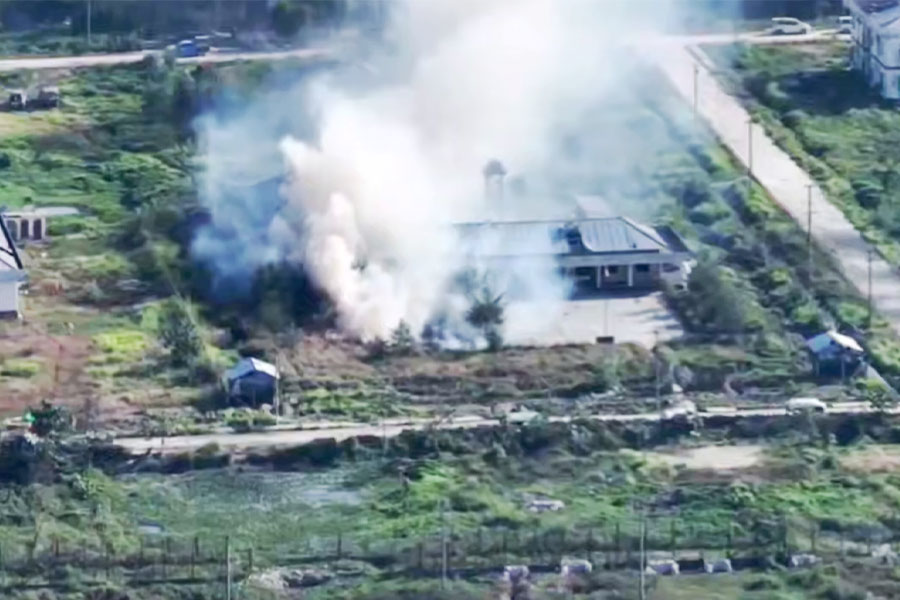
Fighting intensifies along Sittwe-Ponnagyun border following Kyauktaw airstrike
By Admin 30 Sep 2026
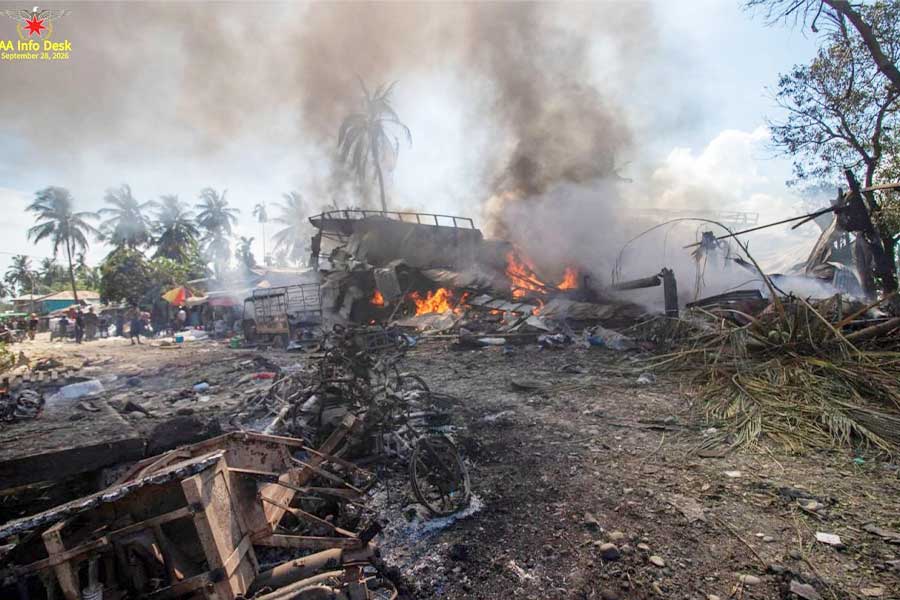
UN High Commissioner, UK condemn Kyauktaw airstrike killing at least 50 civilians
By Admin 30 Sep 2026
ULA/AA faces governance challenges as it consolidates control in Arakan: ISP-Myanmar
By Admin 30 Sep 2026