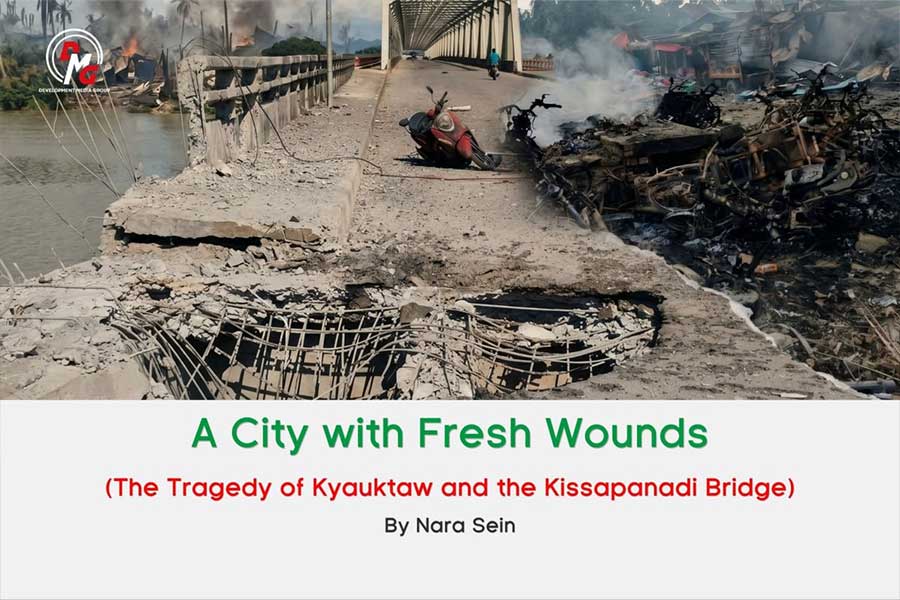

- Victims’ families demand justice over Kyauktaw airstrike massacre
- Arakanese political parties face criticism over silence on Kyauktaw mass killing
- Arakan records highest civilian casualty toll in Myanmar amid airstrikes: NLTA
- Three killed, 12 injured, including children, in junta bombing of Rathedaung
- 92 groups urge Canada to expand sanctions on Myanmar oil and gas sector
ISP-Myanmar points to low women’s participation in ULA governance
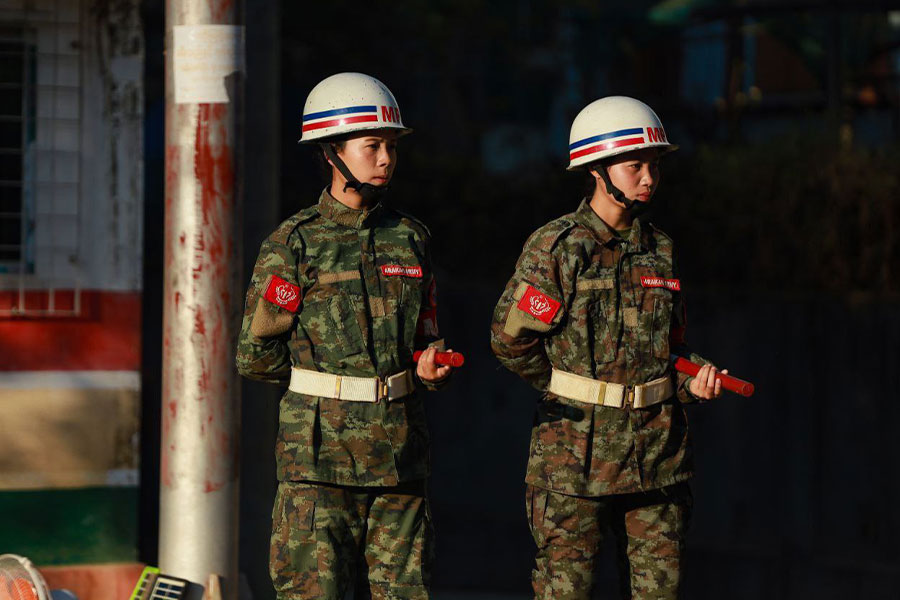
Women's participation remains low in the administrative system of the United League of Arakan (ULA), which controls most of Arakan State, according to the Institute for Strategy and Policy-Myanmar (ISP-Myanmar).
20 Aug 2026
DMG Newsroom
20 August 2026, Myebon
Women's participation remains low in the administrative system of the United League of Arakan (ULA), which controls most of Arakan State, according to the Institute for Strategy and Policy-Myanmar (ISP-Myanmar).
While the ULA has strengthened its territorial control and consolidated its administrative system, challenges and shortcomings persist regarding women's security and empowerment, according to this month's research paper, titled "ULA/AA’s Governance and Beyond-Control Challenges," released by ISP-Myanmar.
ISP-Myanmar noted that severe action taken against women who criticize the administration not only violates freedom of expression but also undermines conditions for women's participation in peace and politics.
Although women currently work in some ULA administrative departments, women's rights activists point out that female representation remains limited in decision-making and leadership positions.
"Some high school graduate women are participating in ULA administrative sectors, but the numbers are still small. Most are assigned to non-leadership roles such as cashiers or accountants dealing with record-keeping. We see women being set aside due to the perception that they cannot perform or lead," a female activist from Myebon Township said.
She added that providing women with leadership opportunities on an equal footing with men would help establish a gender-equal administrative system in nation-building.
Ko Yaung Pyan, a youth from Anjanapura, observed that when leadership roles are selected through voting mechanisms in local administration, there is little support for women seeking leadership positions.
"Low participation is partly due to women having less interest in administration and politics. Gender discrimination in the administrative sector also makes women hesitant to step forward. While a few women participate in community-level administration, they are not yet included in key decision-making roles," he said.
Women's rights activists emphasize that because women's participation in ULA governance remains weak, women need to be provided with opportunities and authority to enhance their involvement.
"When men and women compete, men tend to secure the positions, which I think causes weaknesses in female leadership. To address this gap, opportunities must be opened up for women," a female rights activist from Mrauk-U Township said.
She further noted, "Women should be placed in leadership positions that match their strengths. Beyond giving them opportunities, they must be granted full authority in areas where they can deliver results."
Although the ULA is working to systematically operate administration, judiciary, health and education sectors across its controlled territories, observers point out that many weaknesses and challenges remain.

Top News
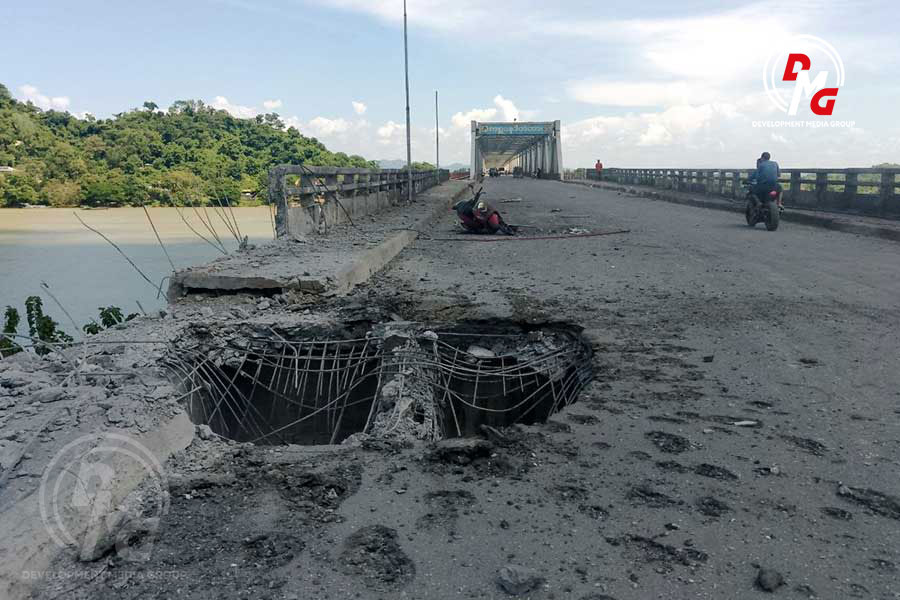
Victims’ families demand justice over Kyauktaw airstrike massacre
By Admin 03 Oct 2026
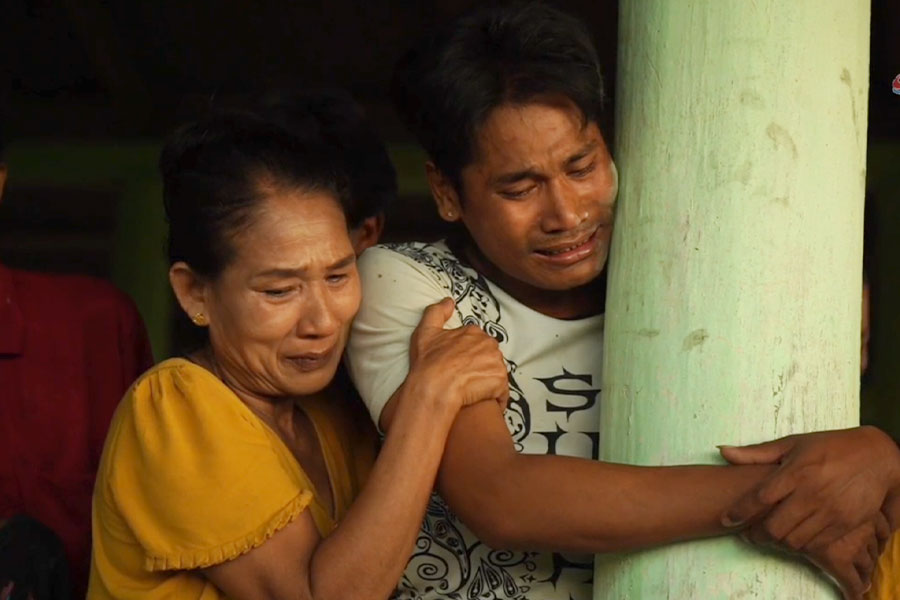
Arakanese political parties face criticism over silence on Kyauktaw mass killing
By Admin 03 Oct 2026
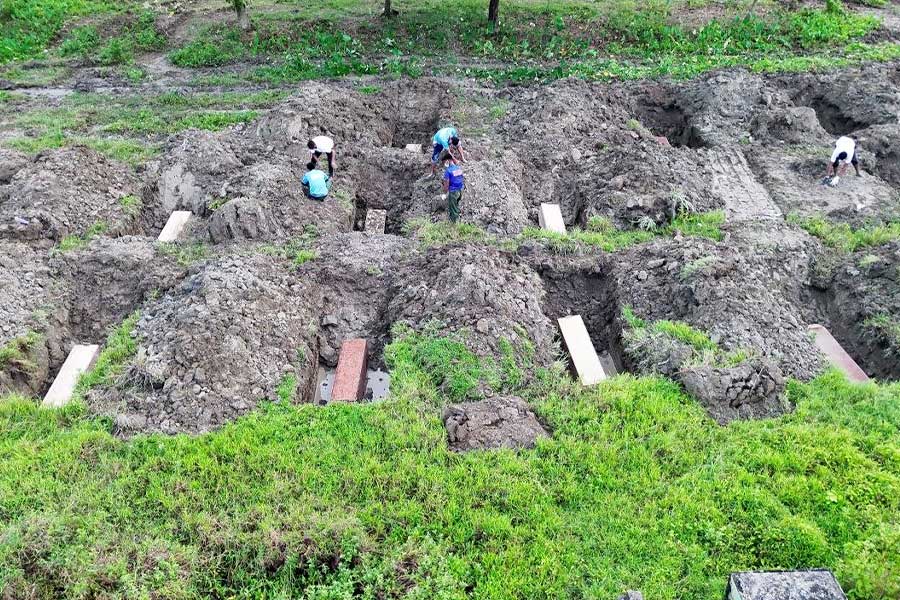
Arakan records highest civilian casualty toll in Myanmar amid airstrikes: NLTA
By Admin 03 Oct 2026
Three killed, 12 injured, including children, in junta bombing of Rathedaung
By Admin 03 Oct 2026
ULA launches recruitment drive for 105 agriculture and livestock positions
By Admin 02 Oct 2026