
- Diwali: Illuminating the Path Towards a More Inclusive Society
- Arakan battles account for 38 junta POWs as 73 personnel defect or are captured nationwide in October
- Bangladesh confirms talks with Arakan Army on Rohingya crisis
- Junta airstrikes kill 16, injure 53 civilians in Arakan in one week: DMG tally
- Junta reconnaissance aircraft circles over Kyauktaw and Mrauk-U, alarming residents
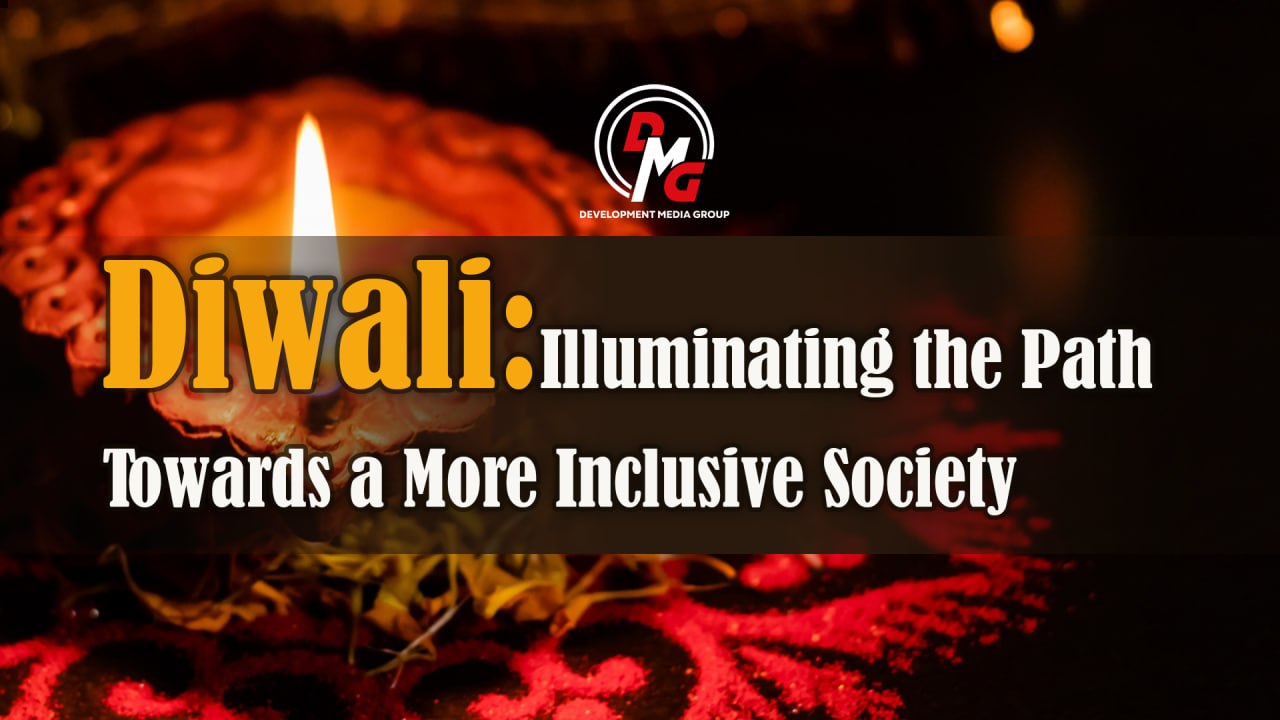
Diwali: Illuminating the Path Towards a More Inclusive Society
These traditions demonstrate how celebrations associated with the Festival of Lights can carry different historical and spiritual meanings while reflecting shared aspirations for freedom, righteousness, and enlightenment.
09 Nov 2026
By Nicholas Biswas
Every year, millions of people around the world illuminate their homes, streets, and communities to celebrate Diwali, widely known as the Festival of Lights. Beyond its religious and cultural significance, Diwali conveys enduring messages about the triumph of light over darkness, good over evil, and knowledge over ignorance.
Yet its significance should extend beyond rituals, decorations, and festivities. In a world confronting conflict, intolerance, inequality, and environmental degradation, the values associated with Diwali deserve renewed attention.
Derived from the Sanskrit word Deepavali, meaning “a row of lights,” Diwali symbolises hope, renewal, and the triumph of righteousness over wrongdoing.
For many Hindus, particularly in northern India, the festival commemorates the return of Lord Rama, accompanied by Sita and Lakshmana, to Ayodhya after 14 years of exile and his victory over Ravana. According to tradition, the people of Ayodhya illuminated their homes with earthen lamps to welcome Rama's return. The lighting of diyas has since become an enduring symbol of the victory of good over evil.
However, Diwali's religious significance extends beyond a single tradition. In parts of India, celebrations are associated with Lord Krishna's victory over Narakasura. In Bengal, the festival period coincides with Kali Puja, reflecting the region's distinctive religious and cultural traditions.
For Jains, Diwali commemorates the attainment of nirvana by Lord Mahavira. Sikhs observe Bandi Chhor Divas around the same period, commemorating the release of Guru Hargobind from imprisonment.
These traditions demonstrate how celebrations associated with the Festival of Lights can carry different historical and spiritual meanings while reflecting shared aspirations for freedom, righteousness, and enlightenment.
The Deeper Meaning of Light
One of Diwali's most powerful messages lies in its symbolism. Lighting an earthen lamp is more than an act of decoration; it represents the human desire to overcome ignorance, hatred, fear, and injustice.
The illumination of homes can also inspire a transformation within individuals and society.
In contemporary life, darkness is not merely the absence of physical light. It can take the form of discrimination, corruption, violence, exploitation, religious intolerance, and the marginalisation of vulnerable communities.
Millions of people continue to experience poverty, insecurity, and deprivation, while conflicts and humanitarian crises threaten the dignity and well-being of countless others.
Against this backdrop, Diwali offers an opportunity to reflect on the meaning of enlightenment.
A meaningful celebration should encourage people to replace prejudice with understanding, hostility with compassion, and indifference with responsibility.
A society cannot genuinely celebrate the victory of good over evil while remaining indifferent to injustice and human suffering.
The festival's emphasis on renewal is equally relevant. Traditionally, families clean their homes, decorate entrances with colourful rangoli designs, exchange gifts, and seek blessings for prosperity and well-being.
These practices symbolise new beginnings and the desire to leave negativity behind. Yet personal renewal should also be reflected in ethical conduct, mutual respect, and a commitment to improving the lives of others.
A Festival That Transcends Religious Boundaries
One of Diwali's remarkable characteristics is its ability to bring people together across geographical and cultural boundaries.
Although rooted in South Asian religious traditions, Diwali is now celebrated by communities around the world.
From India and Nepal to Bangladesh, Singapore, Mauritius, the United Kingdom, the United States, Canada, and Australia, the festival brings together families, communities, and people from diverse backgrounds.
Public celebrations, cultural programmes, community gatherings, and the exchange of traditional sweets illustrate how cultural heritage can strengthen social connections.
This inclusive dimension is particularly important in societies where religious and cultural differences sometimes become sources of division.
Respecting another community's celebrations does not require abandoning one's own beliefs. Rather, it demonstrates an understanding that diversity is an essential part of human society.
In Bangladesh, where communities of different faiths have long shared neighbourhoods, cultural spaces, and social relationships, Diwali offers an opportunity to reaffirm the importance of religious coexistence.
Exchanging greetings, participating in cultural activities, and respecting religious observances can help strengthen relationships across communities.
However, religious harmony must extend beyond ceremonial greetings during festivals.
It requires consistent respect for freedom of religion, equal citizenship, protection of minority communities, and rejection of discrimination.
The true strength of a pluralistic society becomes evident not only when people celebrate together, but also when they stand together to defend the rights and dignity of others.
Celebration Must Also Mean Responsibility
Despite its inspiring message, modern Diwali celebrations can also present environmental challenges.
Fireworks and firecrackers, which form part of celebrations in many communities, contribute to air and noise pollution. Their effects can be particularly harmful to children, older people, individuals with respiratory conditions, and animals.
The environmental consequences of festive activities should not be overlooked, especially as communities worldwide confront climate change, deteriorating air quality, and increasing ecological pressures.
Environmentally responsible celebrations offer practical alternatives.
Traditional clay lamps, responsibly sourced materials, energy-efficient lighting, natural colours, and community-based cultural programmes can help preserve the festival's beauty while reducing environmental harm.
Limiting excessive fireworks and choosing quieter, safer alternatives would also demonstrate consideration for neighbours, vulnerable people, and animals.
There is a contradiction in celebrating the triumph of light while contributing to pollution that harms the environment.
A meaningful celebration should therefore balance cultural traditions with environmental responsibility.
From Prosperity to Shared Well-Being
Diwali is also associated with prosperity, particularly through the worship of Goddess Lakshmi and Lord Ganesha.
Families pray for wealth, wisdom, success, and auspicious beginnings. Businesses may begin new accounting periods, households exchange gifts, and markets experience increased commercial activity.
Yet prosperity should not be measured solely through wealth accumulation, consumer spending, or material possessions.
Its deeper meaning should also include economic opportunity, equitable development, education, healthcare, and community well-being.
Diwali provides an opportunity to extend generosity beyond immediate family circles.
Supporting disadvantaged households, distributing food, providing educational materials to children from low-income families, and contributing to community welfare initiatives can transform festive generosity into meaningful social action.
Such initiatives give practical expression to the values associated with Diwali.
A lamp illuminating a prosperous household may be beautiful, but helping a struggling family overcome hardship can be an even more powerful expression of the festival's spirit.
Let the Light Continue Beyond Diwali
Ultimately, Diwali should be remembered for more than illuminated streets, colourful decorations, traditional sweets, and family gatherings.
Its enduring relevance depends on whether its moral and spiritual messages influence everyday behaviour.
The world needs more than temporary celebrations of light. It needs individuals willing to challenge injustice, communities prepared to embrace diversity, and institutions committed to protecting human dignity.
It needs compassion instead of hatred, dialogue instead of confrontation, and responsible development instead of environmental destruction.
As millions of diyas illuminate homes and public spaces, Diwali invites everyone to consider a fundamental question: What kind of light are we bringing into the lives of others?
Perhaps the greatest expression of Diwali's spirit would be a society in which no child is denied education, no family is deprived of dignity, no community lives in fear because of its religious identity, and no individual is abandoned in times of hardship.
The lamps will eventually burn out, and the decorations will disappear. But the values of kindness, justice, tolerance, and solidarity should endure.
This Diwali, let the celebration extend beyond the lighting of lamps. Let it illuminate human conscience, strengthen mutual respect, and inspire collective responsibility.
After all, the true victory of light lies not only in what people see around them, but also in the values they choose to uphold.
Nicholas Biswas is a freelance journalist and recipient of the United Nations Population Fund (UNFPA) Media Award. He can be reached at gonomaddzam@gmail.com.

Opinion
Diwali: Illuminating the Path Towards a More Inclusive Society
By Admin 09 Nov 2026
The Journey of Arakanese Language Education
By Admin 03 Nov 2026
Can the UN Restore Trust in a Fractured World?
By Admin 23 Oct 2026

Arakan Amid the Storm: From Survival to Rebuilding a People
By Admin 22 Oct 2026
Surviving Amid the Bombs: Arakan's Quiet Resistance
By Admin 19 Oct 2026
Shadows Over Childhood: Confronting the Reality of Missing Children
By Admin 16 Oct 2026
POLITICS

BUSINESS


Industry to manufacture finished goods from coconut starting in early 2020
By Aung Kaung Zaw 20 Nov 2019