

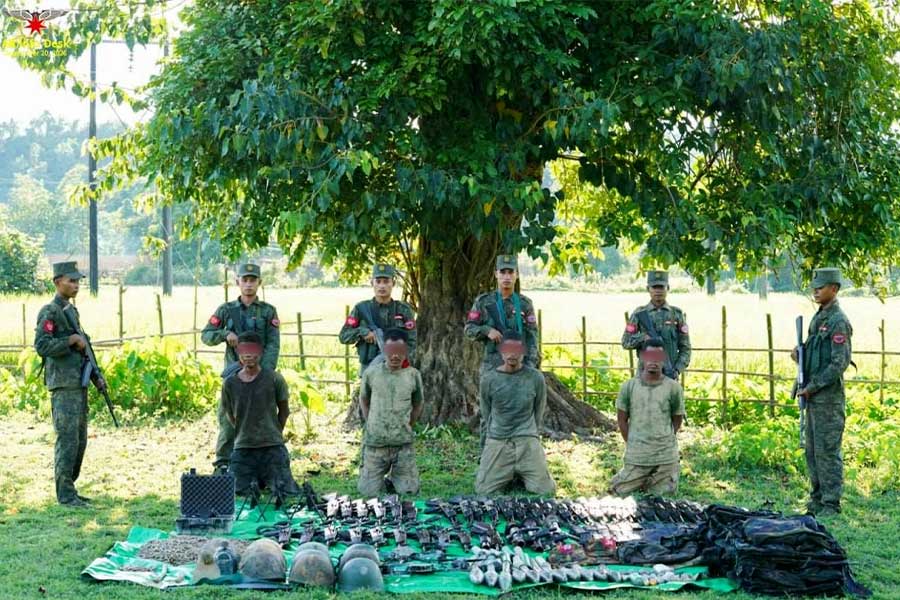
- POWs say junta orders troops to fight without retreat in Arakan counteroffensive
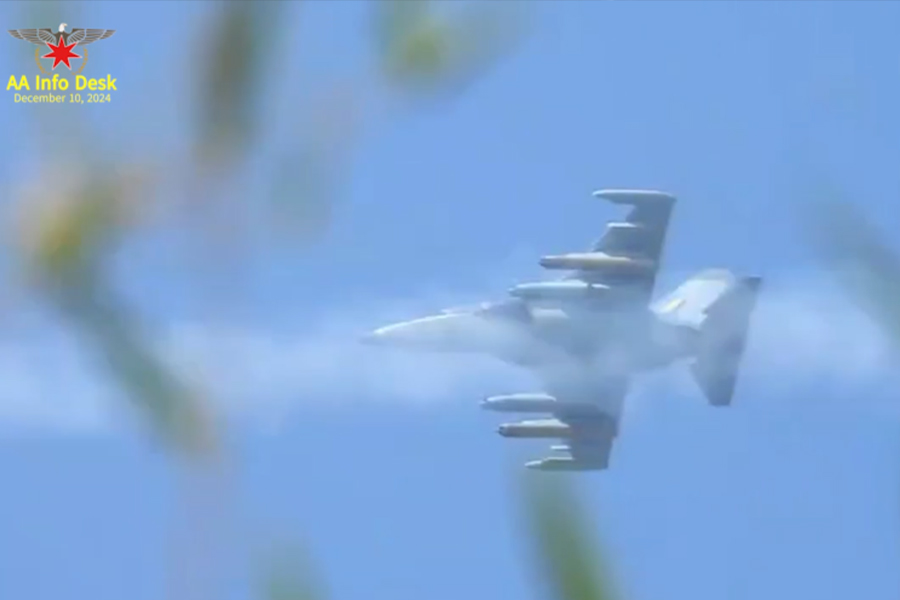
- Junta airstrike hits Anjanapura Twsp village, forcing residents to flee
- Junta airstrike kills woman, injures another in Werathani
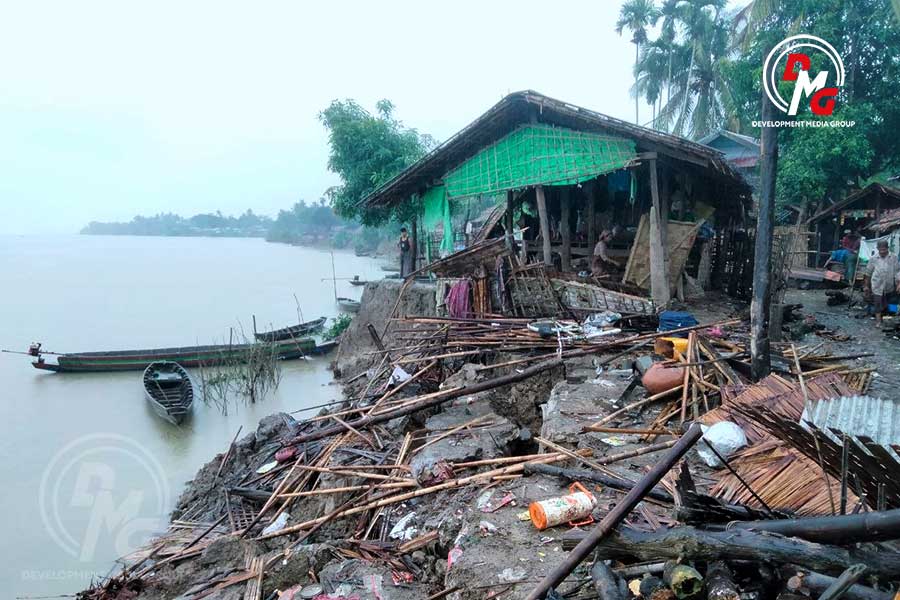
- Over 150 Kyauktaw villagers face displacement as Kaladan River erodes banks
- Malaria cases surge across Ann Twsp as residents struggle to access healthcare
Junta pursues talks with FPNCC members amid efforts to secure border stability
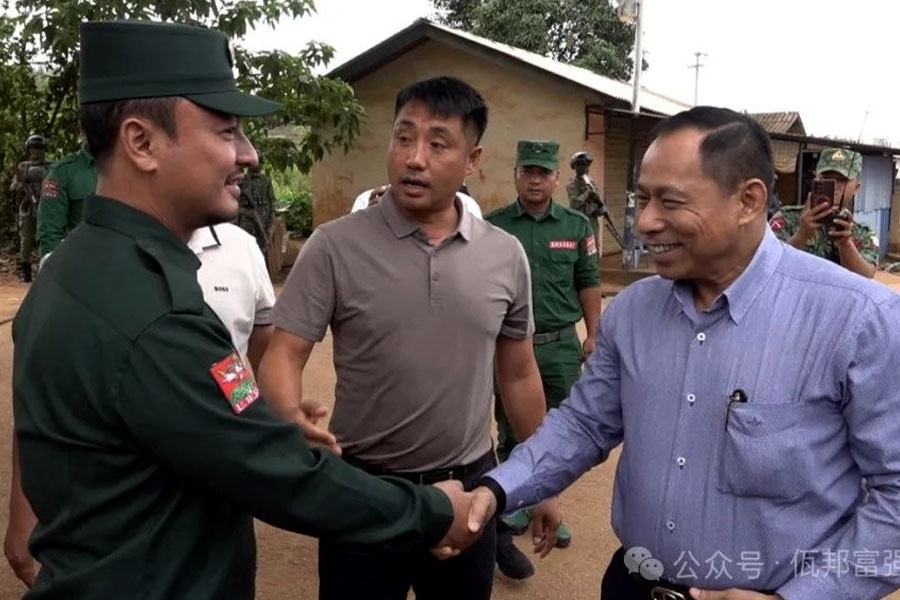
The military junta's National Solidarity and Peacemaking Negotiation Committee (NSPNC), led by Lt-Gen Yar Pyae, has held a series of meetings this month with China-border ethnic armed organizations (EAOs) in Shan State, including the United Wa State Army (UWSA), National Democratic Alliance Army (NDAA-Mong La), and Shan State Progress Party (SSPP).
23 Jun 2026
DMG Newsroom
23 June 2026, Nay Pyi Taw
The military junta's National Solidarity and Peacemaking Negotiation Committee (NSPNC), led by Lt-Gen Yar Pyae, has held a series of meetings this month with China-border ethnic armed organizations (EAOs) in Shan State, including the United Wa State Army (UWSA), National Democratic Alliance Army (NDAA-Mong La), and Shan State Progress Party (SSPP).
According to official statements, the discussions focused on regional peace, stability, and strengthening mutual trust.
However, military and political analysts said the junta's outreach to non-combatant EAOs in Shan State could be aimed at securing political space and reducing pressure on multiple fronts by engaging members of the Federal Political Negotiation and Consultative Committee (FPNCC).
"We are witnessing a push to promote a limited federal model," said Captain Zin Yaw, a military defector and Civil Disobedience Movement (CDM) member.
"Lt-Gen Yar Pyae's visits to eastern Shan State are part of an effort to engage FPNCC members. The junta has met with the SSPP, UWSA, and NDAA, while also opening communication with the Myanmar National Democratic Alliance Army (MNDAA) and Ta'ang National Liberation Army (TNLA) to arrange future meetings. The regime is avoiding groups actively fighting its forces and instead seeking stability with groups maintaining ceasefires," he said.
Official records show that the junta met the SSPP in Nay Pyi Taw on June 12, held talks with the NDAA on June 17, and met UWSA representatives in Pangsang on June 18.
Observers noted that the FPNCC includes the UWSA, Kachin Independence Army (KIA), MNDAA, TNLA, SSPP, NDAA, and Arakan Army (AA). They said the recent engagements may indicate efforts to establish broader ceasefire arrangements.
Meanwhile, military analysts warned that ceasefire agreements with northern Shan groups could allow the junta to redirect troops and resources toward active battlefronts, including Arakan State.
"The regime's main strategic opponent is the Arakan Army," Captain Zin Yaw said. "If the junta cannot weaken the Arakan State through economic pressure and blockades, it will seek to launch more concentrated military operations. To do this, it is attempting to reduce tensions in northern and eastern Myanmar and redeploy forces."
Following tightly controlled elections, junta chief Min Aung Hlaing assumed the presidency of a restructured transitional military government and announced an all-inclusive peace initiative targeting EAOs and People's Defence Forces (PDFs) as a key 100-day priority.
A regional political analyst said the meetings with China-border EAOs were also intended to demonstrate progress during Min Aung Hlaing's engagement with Beijing.
"These meetings may help the regime build diplomatic leverage with China, but achieving nationwide peace remains unlikely under current conditions," the analyst said.
Armed conflicts continue across Kayin, Kachin, Kayah, Chin, and Arakan States, with many EAOs and PDF groups rejecting the junta's peace initiatives.
At the same time, the regime continues talks with some Nationwide Ceasefire Agreement (NCA) signatories while expanding direct engagement with non-signatory ethnic armed groups maintaining local ceasefires.

Top News
POWs say junta orders troops to fight without retreat in Arakan counteroffensive
By Admin 21 Sep 2026
Junta airstrike hits Anjanapura Twsp village, forcing residents to flee
By Admin 21 Sep 2026
Junta airstrike kills woman, injures another in Werathani
By Admin 21 Sep 2026
Over 150 Kyauktaw villagers face displacement as Kaladan River erodes banks
By Admin 21 Sep 2026

Media outlets can verify Arakan State news through Justice For Arakan: ULA official
By Admin 20 Sep 2026

.jpg)