

- Myanmar junta accused of disguising aviation fuel imports as diesel: JFM
- Arakan records most junta airstrikes as 214 civilians killed across Myanmar: BNI
- High airfares leave low-income families stranded in blockaded Sittwe
- MSF rrges civilian protection after Sittwe shelling kills two, injures 17
- ULA warns Arakan residents of airstrike risks during Thadingyut festival
Floods add to severe humanitarian needs of Myanmar people: UN
Countrywide, an estimated 3 million people are internally displaced, with many of the recently displaced living without proper shelter amid the monsoon season, the UNOCHA Myanmar report added.
17 Aug 2024
DMG Newsroom
17 August 2024, Sittwe
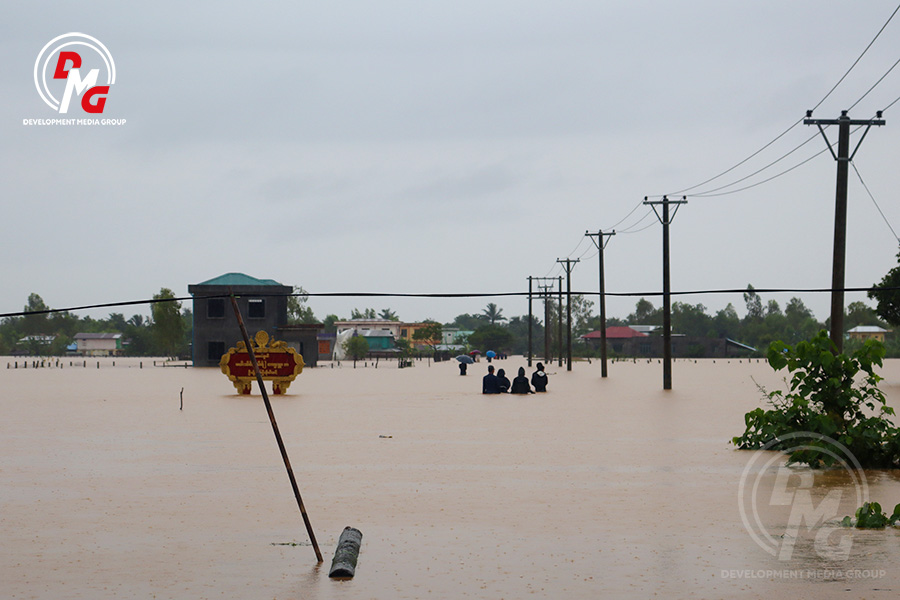
Since late June, torrential monsoon rains and the overflow of various rivers have inundated several states and regions, exacerbating already severe humanitarian needs, the United Nations Office for the Coordination of Humanitarian Affairs (UNOCHA) said in a report dated August 16.
The floods have affected thousands of local people in Arakan and Kachin states, and Yangon, Bago, Ayeyarwady, Magway and Tanintharyi regions, with the flood victims in need of humanitarian assistance, the agency said.
The floods have affected an estimated 393,000 people across Myanmar, the UNOCHA Myanmar Office’s report said.
“Our paddy fields have been destroyed by the floods. Several baskets of paddy stored in my home were lost,” said Daw Ma Thein Han, a local woman in Kyauktaw Township.
Countrywide, an estimated 3 million people are internally displaced, with many of the recently displaced living without proper shelter amid the monsoon season, the UNOCHA Myanmar report added.
“During the first half of 2024, 2.1 million people were reached with some type of humanitarian assistance across the country out of 5.3 million people targeted, including 1.2 million internally displaced persons (IDPs),” UNOCHA Myanmar said.
“Eight months into the year, the 2024 Humanitarian Needs and Response Plan (HNRP) remains critically underfunded, with only 21.1 percent of required funding received,” the agency added. “More resources are urgently needed to enable humanitarian partners to respond at-scale to expanding needs.”

Top News
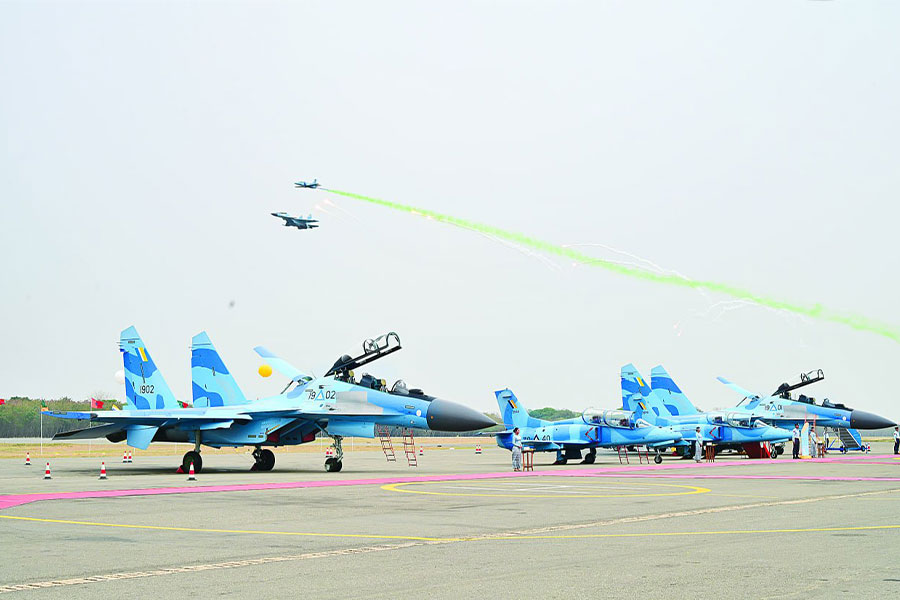
Myanmar junta accused of disguising aviation fuel imports as diesel: JFM
By Admin 26 Oct 2026
Arakan records most junta airstrikes as 214 civilians killed across Myanmar: BNI
By Admin 26 Oct 2026
High airfares leave low-income families stranded in blockaded Sittwe
By Admin 25 Oct 2026
MSF rrges civilian protection after Sittwe shelling kills two, injures 17
By Admin 25 Oct 2026
ULA warns Arakan residents of airstrike risks during Thadingyut festival
By Admin 24 Oct 2026