
- UN investigators seek evidence on deadly Kyauktaw airstrike as attacks continue across Arakan
- Myanmar military continues airstrikes across Arakan after deadly Kyauktaw attack
- ISP-Myanmar reports at least 115 mass civilian killing incidents across Myanmar
- Junta airstrikes on Ponnagyun, Rathedaung villages kill one, injure three
- UN High Commissioner, UK condemn Kyauktaw airstrike killing at least 50 civilians
UN investigators seek evidence on deadly Kyauktaw airstrike as attacks continue across Arakan
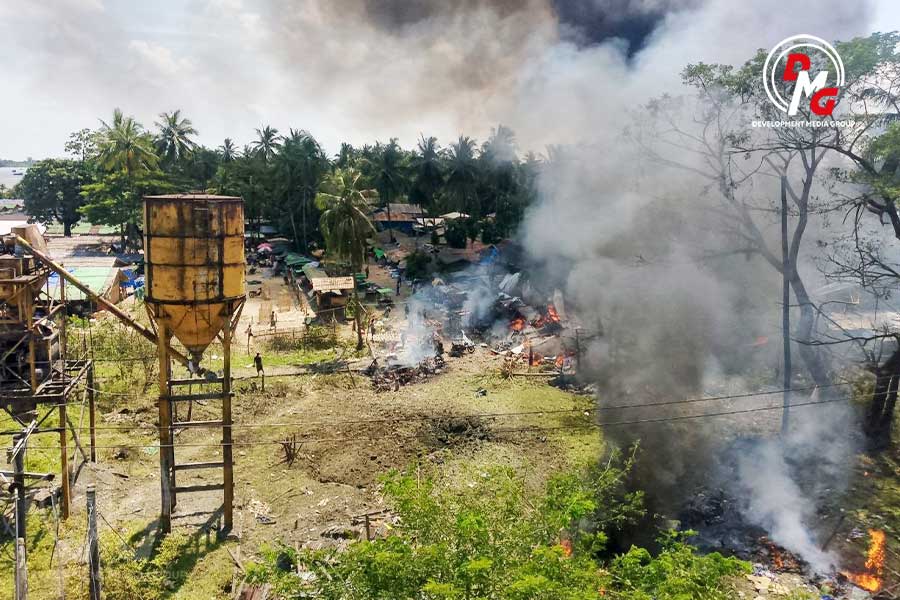
The Independent Investigative Mechanism for Myanmar (IIMM) has called for witnesses and others with direct knowledge to provide evidence concerning the September 28 airstrike on Kyauktaw’s India Market and Kissapanadi Bridge area, as military airstrikes continue across Arakan State.
02 Oct 2026
DMG Newsroom
2 October 2026, Yangon
The Independent Investigative Mechanism for Myanmar (IIMM) has called for witnesses and others with direct knowledge to provide evidence concerning the September 28 airstrike on Kyauktaw’s India Market and Kissapanadi Bridge area, as military airstrikes continue across Arakan State.
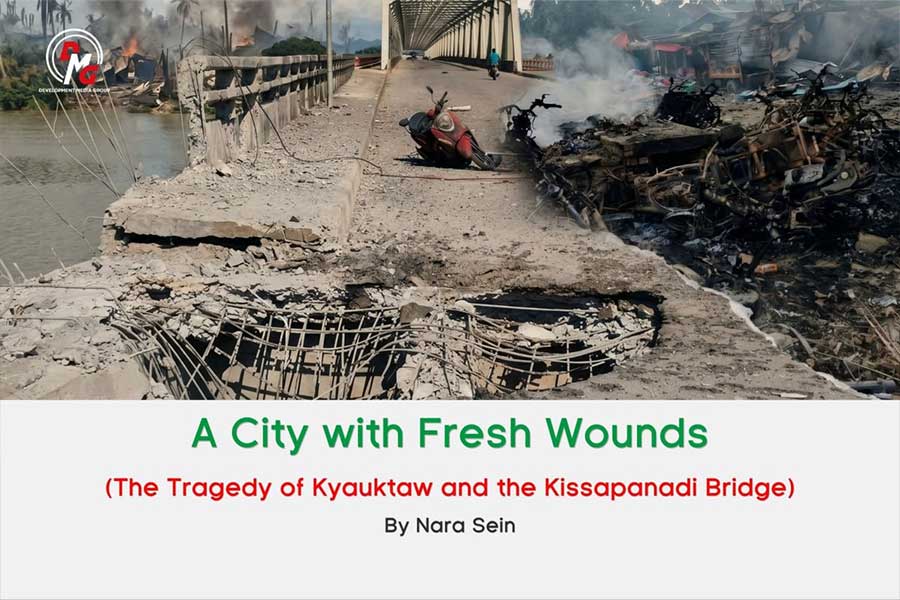
In a September 30 statement, the UN-established investigative body said the Kyauktaw attack reportedly killed at least 50 people and injured 58 others. Many of the victims were believed to be traders, shoppers, passers-by and cargo workers, with women and children accounting for a substantial number of those affected.
A pregnant woman and her baby were among those killed, while the airstrike caused significant damage to the Kissapanadi Bridge and nearby shops, according to the IIMM.
The Mechanism is seeking photographs, videos and other information about the victims and damage to the market, bridge and nearby buildings. It is also requesting information identifying the aircraft and airbase involved, the weapons used and Myanmar military personnel linked to the attack, including pilots and individuals who gave or carried out orders.
The IIMM said it is investigating allegations of serious international crimes committed during the ongoing armed conflict in Arakan. It said reliable evidence indicates a significant increase since 2025 in alleged deliberate or indiscriminate aerial and artillery attacks against civilians, including attacks affecting schools, hospitals, markets and monasteries.
The Mechanism said airstrikes that are indiscriminate or deliberately target civilians may constitute war crimes or crimes against humanity. Attacks on civilian infrastructure such as markets can also severely affect access to food and food security and, depending on the circumstances, may constitute international crimes, it added.
The call for evidence comes as airstrikes continue in several parts of Arakan following the Kyauktaw attack.
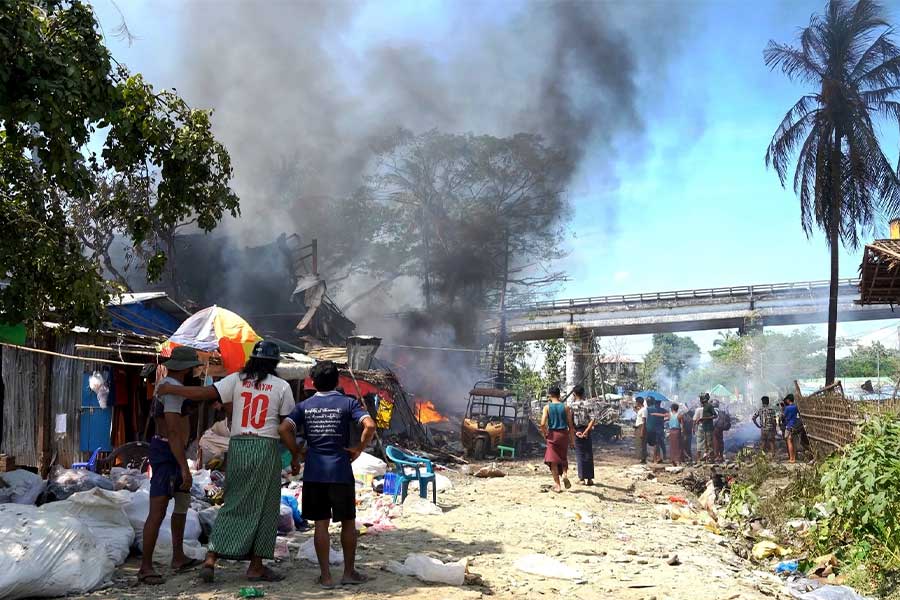
On the night of September 30, military aircraft bombed Kyaukseik Village in Ponnagyun Township and Kutaung Village in Rathedaung Township, killing one civilian and injuring three others, according to DMG reporting.
The Arakan Army (AA) said on October 1 that military aircraft continued attacking locations it described as non-military targets in Rathedaung, Ponnagyun, Pauktaw, Kyauktaw and Thandwe townships on September 30 and October 1. The AA said civilians were killed or injured and a monastery and civilian homes were damaged.
The latest attacks follow weeks of aerial bombardment across Arakan. On September 28 alone, military airstrikes were reported in Kyauktaw, Ponnagyun, Anjanapura (Minbya) and Thandwe townships.
DMG’s compiled records show that 602 civilians were killed and 1,211 injured in military airstrikes across Arakan between April 2024 and September 12, 2026. Those figures do not include casualties from the latest series of attacks.
ISP-Myanmar separately recorded at least 222 military airstrikes in Arakan between March 31 and August 31, placing Arakan among the areas with the highest numbers of military airstrikes nationwide during the five-month period. The figure does not include attacks during September and early October.
The IIMM urged anyone with relevant information about the Kyauktaw attack to prioritise their safety and contact the Mechanism only when it is safe to do so.

Top News
Myanmar military continues airstrikes across Arakan after deadly Kyauktaw attack
By Admin 02 Oct 2026
ISP-Myanmar reports at least 115 mass civilian killing incidents across Myanmar
By Admin 01 Oct 2026
Junta airstrikes on Ponnagyun, Rathedaung villages kill one, injure three
By Admin 01 Oct 2026
Fighting intensifies along Sittwe-Ponnagyun border following Kyauktaw airstrike
By Admin 30 Sep 2026