
- Junta airstrike hits high school in AA-held Maungdaw village
- Junta renews offensive to recapture Arakan Army-held Ponnagyun
- Arakan records most junta airstrikes in Myanmar, BNI report finds
- Family seeks rearrest of rape suspect who escaped ULA custody in Ann
- Junta claims 28 AA, PDF and PLF members surrendered in Pathein
70 Arakan civil society groups call for no-fly zone, emergency humanitarian aid
Seventy Arakanese civil society and charitable organisations have called on the international community to establish a no-fly zone over Myanmar's Arakan (Rakhine) State and provide emergency humanitarian assistance, warning that escalating military airstrikes and worsening food shortages are putting civilian lives at increasing risk.
30 Oct 2026
DMG Newsroom
30 October 2026, Mrauk-U
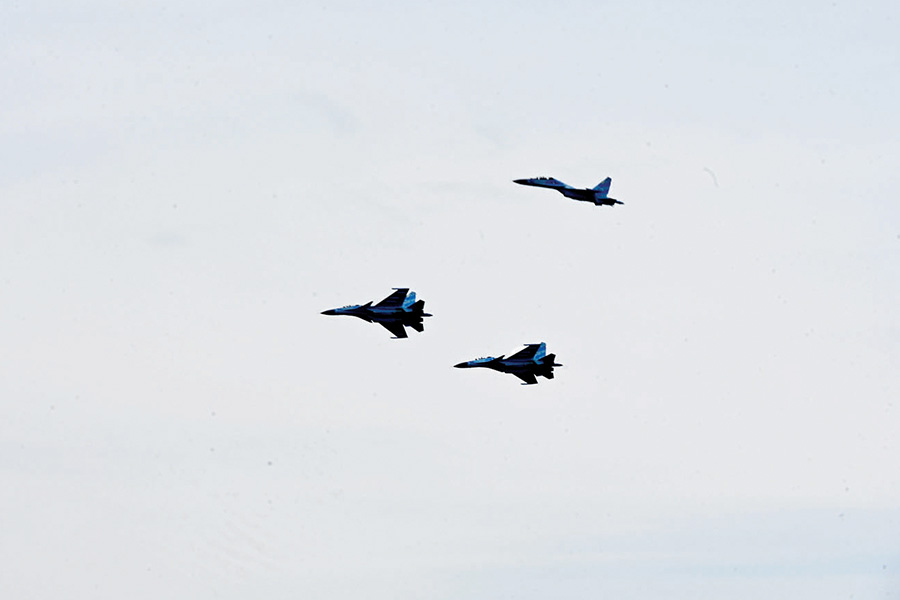
Seventy Arakanese civil society and charitable organisations have called on the international community to establish a no-fly zone over Myanmar's Arakan (Rakhine) State and provide emergency humanitarian assistance, warning that escalating military airstrikes and worsening food shortages are putting civilian lives at increasing risk.
In a joint statement issued on October 30, the organisations urged the United Nations Security Council (UNSC), the Association of Southeast Asian Nations (ASEAN), foreign governments and international humanitarian agencies to take immediate action to protect civilians and address the deteriorating humanitarian situation.
The appeal follows a September 28 military airstrike near Kyauktaw's India Market and Kissapanadi Bridge, which reportedly killed at least 50 people and injured 58 others. The UN human rights office condemned the attack, while the Independent Investigative Mechanism for Myanmar (IIMM) subsequently appealed for evidence of possible international crimes.
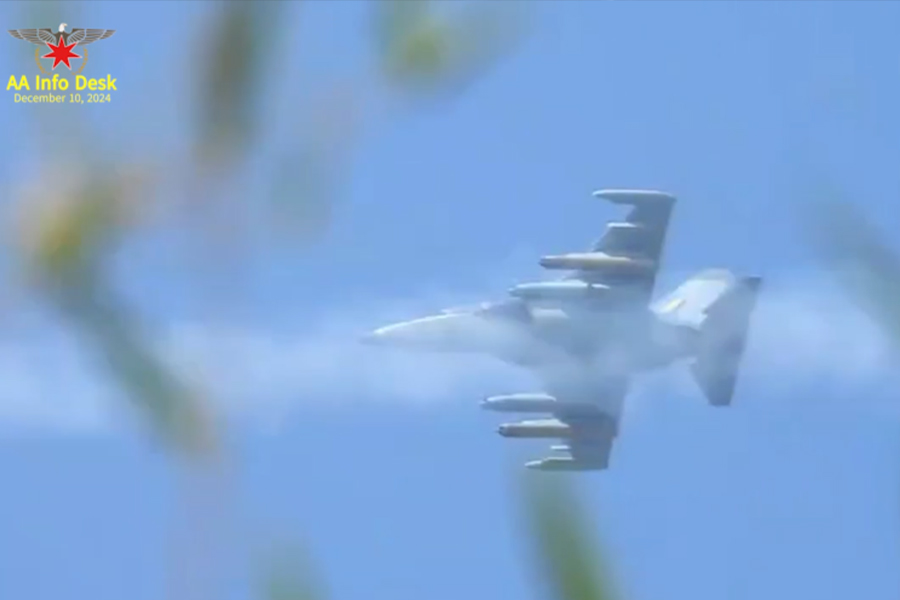
The organisations accused Myanmar's military junta of continuing airstrikes on civilian-populated areas, including markets, displacement camps, healthcare facilities, monasteries and residential neighbourhoods across several townships.
Citing figures from the Humanitarian and Development Coordination Office (HDCO) of the Arakan People's Authority, the statement reported that 298 civilians were killed and 678 injured in military attacks between October 2025 and October 2026. These included 55 children killed and 147 injured.
The groups also claimed that at least 1,152 civilians have been killed in military attacks across Arakan since the February 2021 coup. DMG has not independently verified these cumulative figures.
The statement warned that continued airstrikes, artillery and naval shelling, restrictions on trade, and severe shortages of food and medicine have compounded the suffering of displaced communities.
It also cited disruptions to agricultural production and rising costs of essential supplies as factors contributing to growing food insecurity and the risk of hunger.
The organisations condemned what they described as deliberate attacks on civilians, arguing that such actions could constitute war crimes or crimes against humanity under international law.
They outlined four principal demands: an internationally enforced no-fly zone over Arakan; immediate cross-border delivery of food, medicine and other essential humanitarian supplies; stronger sanctions on aviation fuel, weapons and military equipment supplied to the junta; and international support for investigations and accountability.
The groups specifically urged greater assistance for the IIMM, a UN-established investigative body tasked with collecting, analysing and preserving evidence of serious international crimes for use in relevant judicial proceedings.
The IIMM has separately sought information about the September 28 Kyauktaw attack and warned of increasing evidence of deliberate or indiscriminate attacks affecting civilians in Arakan.
The 70 organisations, comprising humanitarian and community groups based inside Myanmar and overseas, pledged to continue assisting conflict-affected populations despite mounting security risks and operational challenges.
They called for urgent international action to protect civilians, improve humanitarian access and ensure accountability for alleged violations of international humanitarian law.

Top News
70 Arakan civil society groups call for no-fly zone, emergency humanitarian aid
By Admin 30 Oct 2026
ARSA steps up military activities in Maungdaw amid Sittwe fighting
By Admin 30 Oct 2026
Junta airstrike hits high school in AA-held Maungdaw village
By Admin 30 Oct 2026
Junta renews offensive to recapture Arakan Army-held Ponnagyun
By Admin 29 Oct 2026