
- High airfares leave low-income families stranded in blockaded Sittwe
- MSF rrges civilian protection after Sittwe shelling kills two, injures 17
- ULA warns Arakan residents of airstrike risks during Thadingyut festival
- Months-long internet blackout drives up costs for residents of Thandwe and Gwa
- At least five injured in junta Y-12 airstrikes on Werathani villages
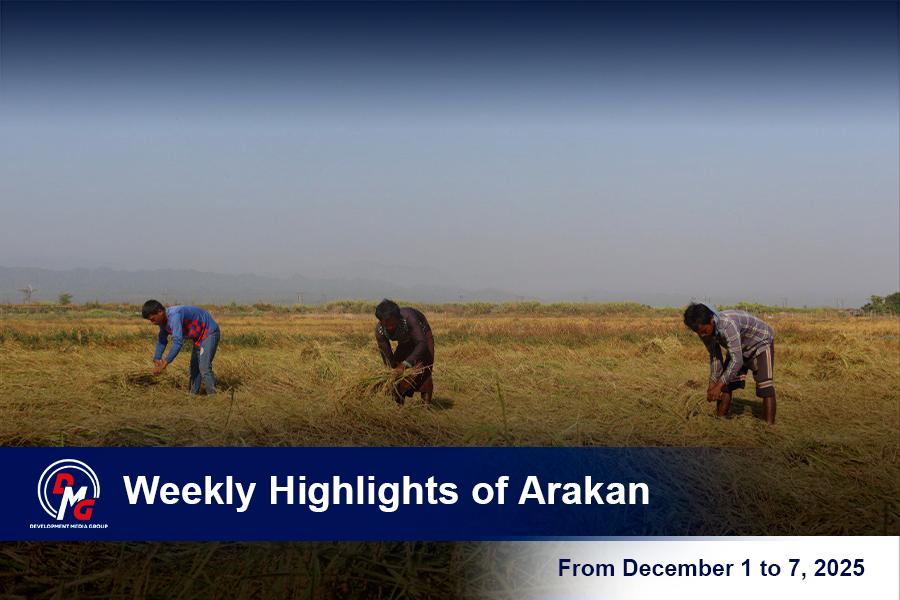
Weekly Highlights of Arakan (1–7 December 2025)
In an era when daily news from Arakan is often fragmented and fast-changing, DMG's Weekly Highlights of Arakan brings clarity, depth, and context to the stories that matter most.
08 Dec 2025
In an era when daily news from Arakan is often fragmented and fast-changing, DMG's Weekly Highlights of Arakan brings clarity, depth, and context to the stories that matter most.
Each week, we round up key political, military, social, and humanitarian developments across Arakan State - connecting the dots between events and offering analysis to help audiences see the bigger picture.
This series is designed for readers and viewers seeking a concise yet comprehensive understanding of how ongoing conflict, governance shifts, and community issues continue to shape lives across Arakan.
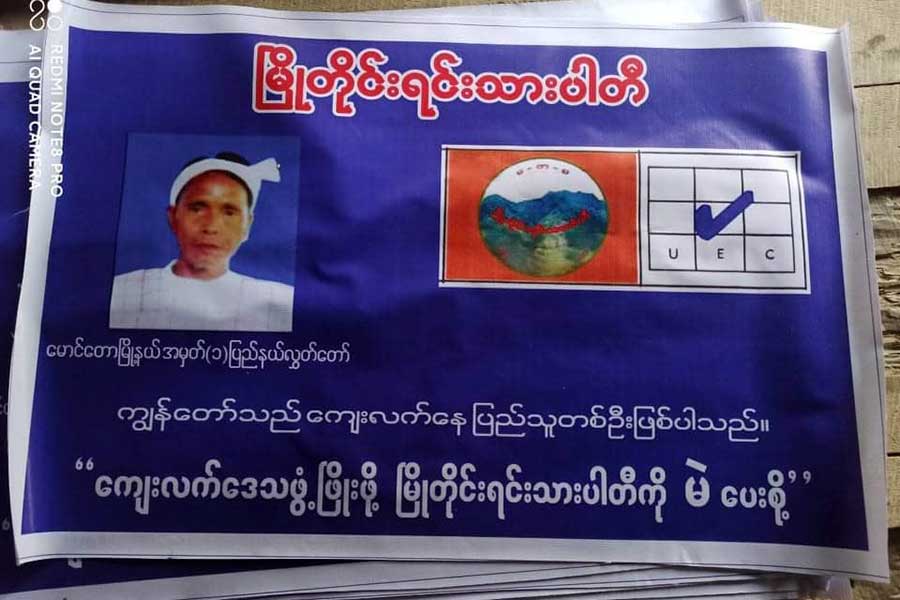
Junta says it cannot hold elections in dozens of Sittwe, Kyaukphyu wards and village-tracts
The junta-controlled Union Election Commission (UEC) announced on December 6 that elections cannot be held in 71 village-tracts and wards in Sittwe and Kyaukphyu townships, according to Myanma Alinn Daily.
The UEC cited “lack of conditions”, listing 53 village-tracts and urban wards in Kyaukphyu Township and 18 village-tracts in Sittwe Township. These include Thae Tan, Thae Chaung, Min Pyin and Laek Kha Maw village-tracts in Kyaukphyu, and Thin Pon Tan, Chaung Nwe and Gang Gaw Kyun village-tracts in Sittwe.
The announcement also outlined areas where elections will not be held in 13 regions and states including Arakan, Kachin, Kayah, Kayin, Chin, Shan and Mon states, and Sagaing, Bago, Magway, Mandalay, Ayeyarwady and Tanintharyi regions.
The regime plans to hold Phase 1 of its elections in 102 townships on December 28, and Phase 2 in 100 townships on January 11, 2026.
Political analysts say a military regime conducting nationwide airstrikes cannot achieve political stability. As the election approaches, the regime has stepped up attacks on AA-controlled townships in an attempt to expand the area in which polls can be held.
Arakanese farmers struggle to harvest paddy amid ongoing attacks
Recent junta airstrikes, artillery fire from warships and ground bases continue to threaten civilians, causing farmers to fear for their safety as they harvest.
Residents in Kyaukphyu have been planting rice since June, hoping to secure food supplies despite insecurity.
In late October, junta troops advanced near Zaichaung, Kularbar, Gawtu and Yaynantaung villages, forcing residents to abandon their fields and flee.
On December 3, junta drone attacks targeted farmers harvesting rice in Leikpyindwein Village, killing two women and injuring one.
Fierce clashes continue near Minpyin, Yaynantaung and Thaingchaung villages in Kyaukphyu Township, with the AA reportedly retaking some areas it had withdrawn from last month.
Skin diseases spread among hundreds of displaced families on Rathedaung’s Mosel Island
More than 700 displaced families sheltering on Mosel Island in Rathedaung Township are suffering from skin diseases, according to internally displaced persons (IDPs) and social support groups.
The conditions have persisted for some time, and cases have surged again since November. IDPs unable to afford medical treatment are relying on traditional remedies and say they urgently need healthcare assistance.
Thousands of displaced people live on Mosel Island, where they face the threat of airstrikes and artillery attacks, as well as food shortages and financial hardship.
Skin disease outbreaks were reported among displaced communities across Arakan State in 2024. The conflict has forced an estimated 600,000 people from their homes, leaving them struggling with shortages of food, medicine and shelter.
AA-held areas mark Global 16-day campaign against gender violence
Local civil society organizations in AA-controlled areas of Arakan State are marking the global 16 Days of Activism for the Elimination of Violence against Women, observed annually from November 25 to December 10.
Women in Arakan State continue to face sexual violence and life-threatening attacks by the Myanmar military, including airstrikes, artillery shelling and drone strikes amid the ongoing conflict. Ethnic communities including Arakanese, Muslims and Chin are taking part in activities.
IDPs say many women in displacement camps are facing increased sexual violence and other security threats.
Farmers cry foul over exploitative paddy trading practices
Farmers say there is effectively no paddy market in Arakan State this harvest season, leaving them vulnerable to exploitative traders and facing heavy losses.
Previously, one basket of paddy was sold using baskets holding 52–54 tins, but traders are now using baskets holding 60–65 tins, farmers said.
Producers say their efforts are headed for disaster, with no functioning market, high input costs and trading practices entirely dictated by merchants.
The United League of Arakan (ULA) is considering establishing standard measures for paddy and rice trading and tightening oversight of purchases.
Many farmers also struggle with high labour costs, with harvesting one acre of paddy rising to K150,000 this season. With no paddy market for two consecutive seasons, farmers say they are suffering major financial losses.
IDPs in Ponnagyun Twsp endure water shortages
People in Ganantaung displacement camp and Ganantaung agricultural IDP camp in Ponnagyun Township are facing growing hardship as drinking water sources begin to dry up.
Ganantaung agricultural IDP camp hosts over 300 households and relies on two lakes that have begun drying since November.
Displaced people say they must wait long hours for a single pot of water and depend on limited supplies from nearby villages.
Ponnagyun Township faces water shortages every year, forcing IDPs to use water from shallow wells dug in fields near the camp for drinking and domestic use. As a result, IDPs frequently suffer from skin and diarrhoeal diseases.

Top News
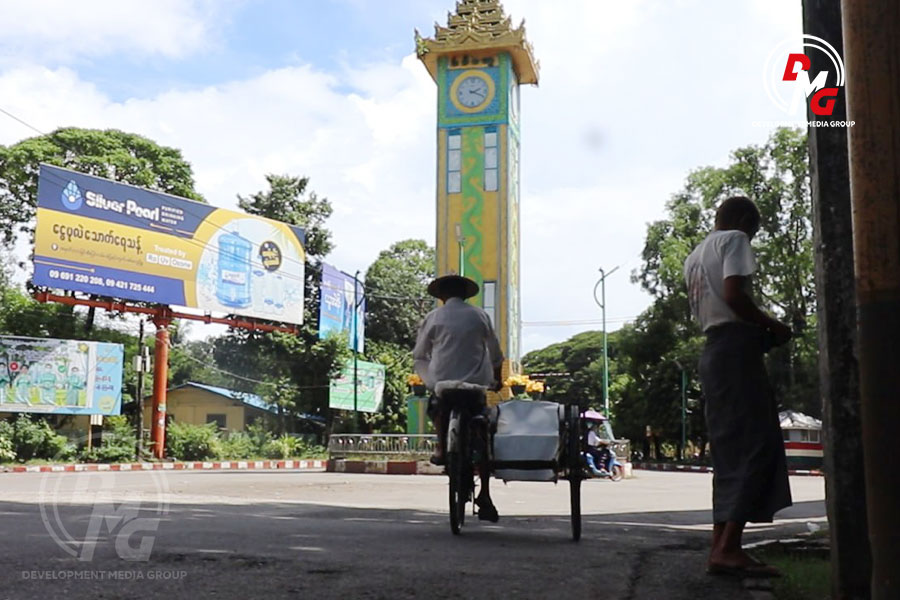
High airfares leave low-income families stranded in blockaded Sittwe
By Admin 25 Oct 2026
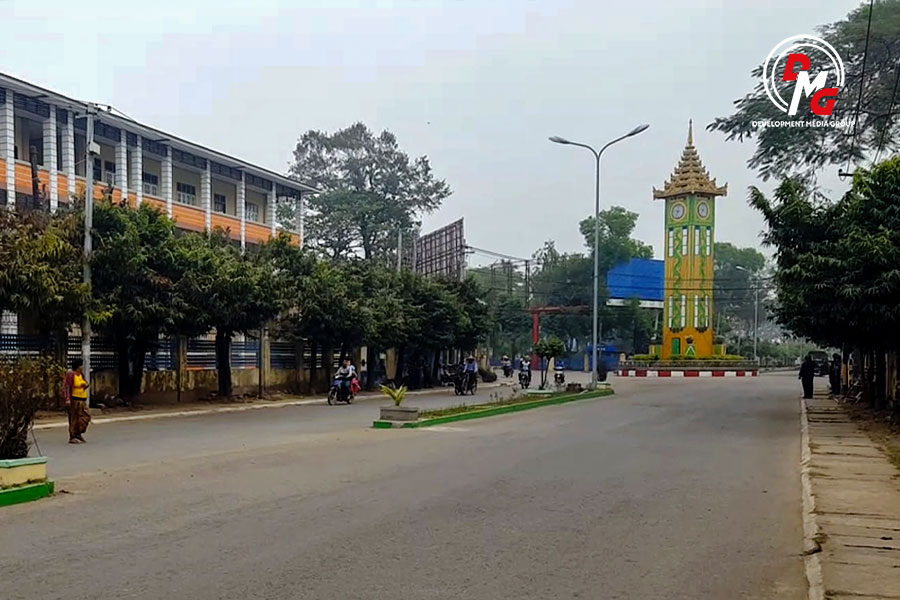
MSF rrges civilian protection after Sittwe shelling kills two, injures 17
By Admin 25 Oct 2026
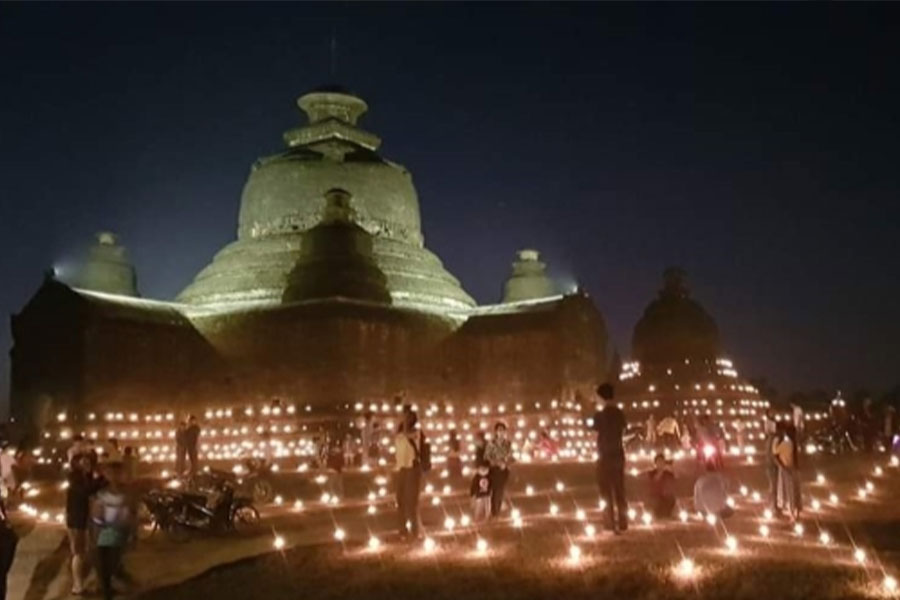
ULA warns Arakan residents of airstrike risks during Thadingyut festival
By Admin 24 Oct 2026
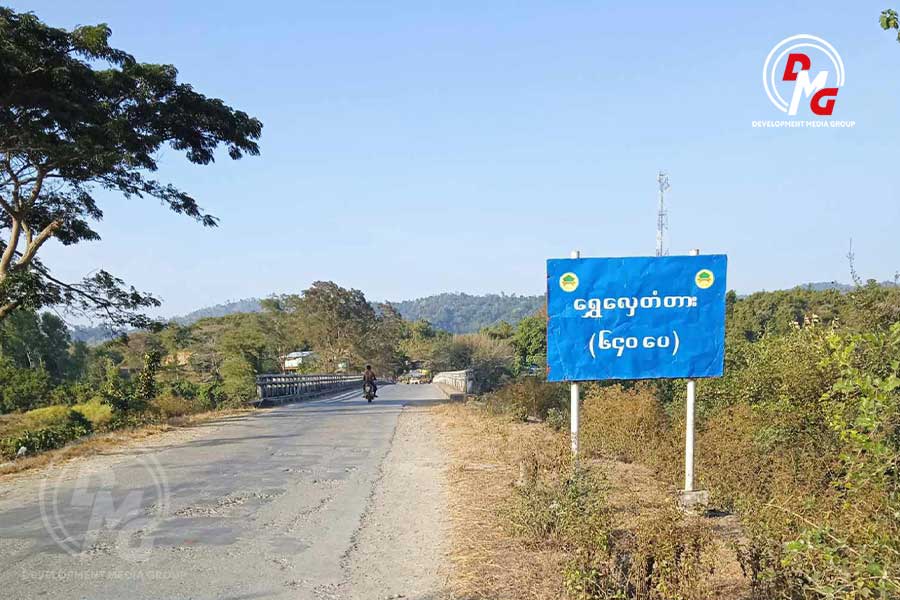
Months-long internet blackout drives up costs for residents of Thandwe and Gwa
By Admin 24 Oct 2026
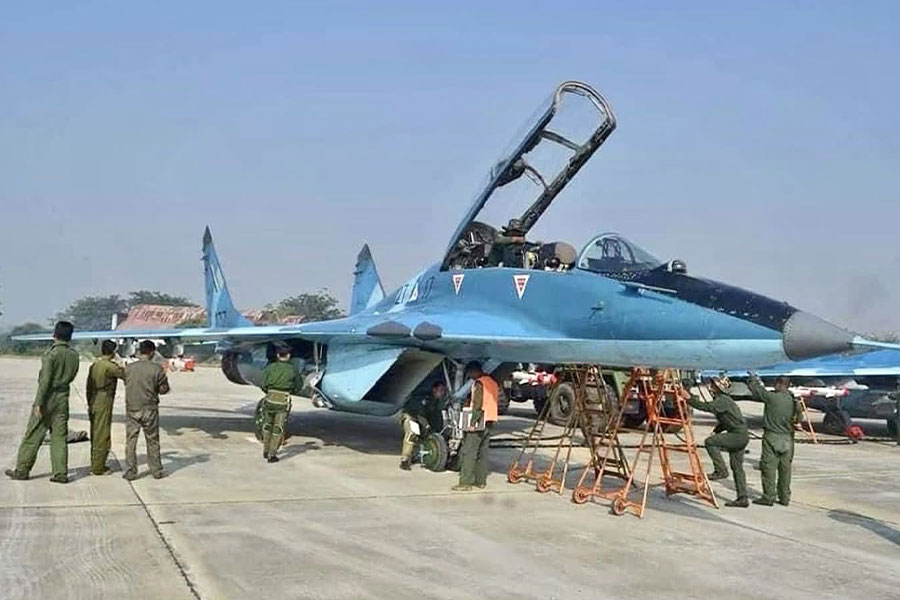
At least five injured in junta Y-12 airstrikes on Werathani villages
By Admin 24 Oct 2026