
- Y-12 aircraft, drones circle over Sittwe as clashes intensify
- Panic grips Sittwe after deadly reported Y-12 airstrike
- At least six killed, 37 injured in reported Y-12 bombing of downtown Sittwe
- Junta column heading toward Kyindwe suffers heavy casualties in resistance ambushes
- Junta replaces Arakan State security minister amid escalating battles near Sittwe
Weekly Highlights from Arakan (March 2-8, 2026)
In an era when daily news from Arakan is often fragmented and fast-changing, DMG's Weekly Highlights of Arakan brings clarity, depth, and context to the stories that matter most.
09 Mar 2026
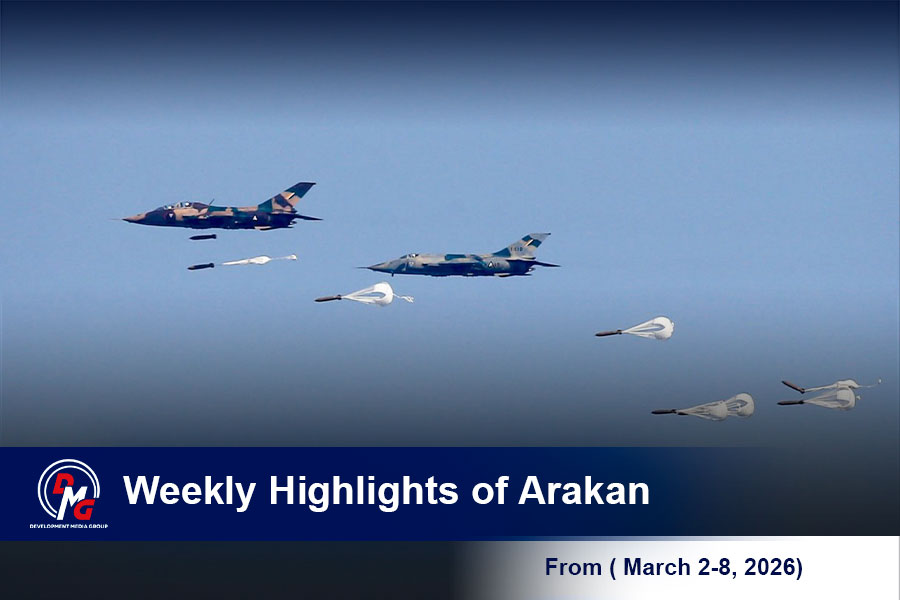
In an era when daily news from Arakan is often fragmented and fast-changing, DMG's Weekly Highlights of Arakan brings clarity, depth, and context to the stories that matter most.
Each week, we round up key political, military, social, and humanitarian developments across Arakan State - connecting the dots between events and offering analysis to help audiences see the bigger picture.
This series is designed for readers and viewers seeking a concise yet comprehensive understanding of how ongoing conflict, governance shifts, and community issues continue to shape lives across Arakan.
Junta launches intense airstrikes on Pauktaw with jet fighters and Y-12 aircraft
Myanmar’s military regime carried out heavy airstrikes on Pauktaw Township, located about 16 nautical miles east of Sittwe in Arakan State, with military sources reporting at least 33 aerial attacks between 9 p.m. and 11 p.m. on March 6.
According to a military source, four junta jet fighters repeatedly bombed areas near Darkaing and Kyeinkhwaymaw Villages, while two Y-12 transport aircraft dropped bombs at least 25 times during the operation.
Detailed reports from military sources indicate that the four jet fighters carried out eight bombing runs near the two villages, firing 13 rockets. At the same time, the two Y-12 aircraft dropped a total of 93 bombs.
The intensity of the airstrikes has forced thousands of residents from Pauktaw Township to flee to safer areas.
Villages affected by the recent bombardment include Kyeinkhwaymaw, Awakyun, Tatmaw, Manawthiri, Mawhtokegyi, Nattaungpyin and Darkaing.
In neighboring Sittwe Township, clashes have escalated alongside the Arakan Army’s (AA) offensive. Military sources reported fighting in at least 14 locations along the border between Sittwe and Ponnagyun Townships.
To support ground operations, the Sittwe-based No. 12 Police Battalion and Light Infantry Battalion 20 fired at least 50 multiple-launch rockets into the conflict zones.
The Arakan Army is currently launching a dual land-and-sea offensive against the Shwe Mingan naval station north of Sittwe, while the regime continues to mount a defense with heavy artillery support.
Junta personnel, police and families evacuate Sittwe for mainland Myanmar
Amid escalating clashes in Sittwe, more than 400 junta personnel, police officers and their family members have reportedly evacuated to mainland Myanmar via waterway.
According to Sittwe residents, 15 vehicles were transported by ship from Sittwe to mainland Myanmar on March 3. Each vehicle was estimated to carry about 30 people, bringing the total number of evacuees to more than 400.
Fierce clashes are currently unfolding between the Myanmar military and the Arakan Army (AA) in Sittwe Township.
The Arakan Army is reportedly launching offensives against military outposts near Zawmadat Village and the Shwe Mingan naval station on the border between Sittwe and Ponnagyun townships.
Residents reported that junta battalions stationed in Sittwe have been firing heavy artillery toward areas bordering Ponnagyun Township, with continuous shelling heard again today.
Within Sittwe city, the military regime and members of the Arakan Liberation Party (ALP) are conducting frequent overnight guest list inspections, leading to the arrest of several local residents.
The Arakan Army has surrounded and blockaded Sittwe from all sides and is attempting to expand its controlled territory by launching offensives against military bases on the Sittwe side via Wahbo Island.
In response, the military regime has reinforced its presence in Sittwe, deploying armored vehicles to the Sittwe–Ponnagyun border and increasing its naval strength in the area.
Arakan Army sets five-year prison term for kratom cultivation in controlled areas
The Arakan Army (AA) has issued a directive imposing a prison sentence of up to five years on individuals found cultivating Mitragyna speciosa, commonly known as kratom, in areas under its control.
The order follows ongoing enforcement operations by the Arakan Army, the Department of Law Enforcement and Public Security (DLEPS), and local administrative officials, who have been clearing and burning kratom plantations across Arakan State.
Despite previous warnings prohibiting cultivation of the plant and cautioning that legal action would be taken against violators, reports of continued planting have led the Arakan Army to formalize a five-year prison sentence.
Residents in Kyauktaw and Ponnagyun townships told DMG that the directive has been relayed through village administrators.
Mitragyna speciosa is widely cultivated in townships including Ponnagyun, Kyauktaw and Buthidaung, and its use is common in Kyauktaw and Ponnagyun.
According to local reports, restaurants and bars in areas under Arakan Army control have been selling kratom extract in a manner similar to alcohol, contributing to high consumption rates.
Health experts warn that long-term use of kratom as a narcotic can pose serious health risks, including memory loss, depression and cancer.
A resident of Ponnagyun welcomed the stricter enforcement.
While Mitragyna speciosa is classified as a narcotic and banned in Myanmar, it remains legal in neighboring Thailand.
Local youths in Arakan State say limited access to employment and education has led some to turn to such substances. Reports also indicate a rise in marijuana use among young people in the state in recent years.
Muslim armed groups killed 162 civilians in two years in northern Arakan: HDCO report
More than 200 civilians were killed or injured by Muslim armed groups in Arakan State between November 2023 and January 2026, according to a report by the Humanitarian and Development Cooperation Office (HDCO).
The report, titled “Analysis of Violence Against Civilians by Islamic Armed Groups in northern Arakan,” was released on March 4. It states that 162 people were killed and 22 injured by Muslim armed groups, including the Arakan Rohingya Salvation Army (ARSA).
Additionally, 30 people remain missing after being abducted, while 15 others were later released, bringing the total number of victims to 229. The casualties include 137 Arakanese, 35 Muslims, 34 Hindus, 13 Khami, 6 Mro, and 4 Daingnet.
According to the report, 61 percent of those killed or injured were Arakanese. The document also records 13 mass killing incidents that resulted in the deaths of 48 civilians.
Notable cases include the killing of seven Khami ethnic people in Buthidaung Township on July 19, 2024; the burning and killing of four civilians in Aung Bala Ward in Maungdaw in August 2024; and the shooting of four civilians in Buthidaung in March 2025.
The report highlights various methods of killing, including victims being burned alive, shot inside their homes, killed during village raids, ambushed on roads, or executed after being abducted while traveling or working.
HDCO said the armed groups targeted victims based on several factors, including accusations of supporting the United League of Arakan/Arakan Army (ULA/AA), religious rivalry, attempts to establish an exclusive Islamic enclave, and suspicions that some Muslims were collaborating with the Arakan Army. Vulnerable minority groups were also targeted due to their distinct religious identities.
Furthermore, the report alleges that in 2024 the military regime systematically collaborated with these Muslim armed groups, allowing violence against civilians and supplying weapons and ammunition via the Navy.
The HDCO said the international community has largely focused on the plight of the Muslim population while overlooking violence suffered by Arakanese, Hindu and other smaller ethnic minorities.
Urging immediate international intervention, the HDCO argued that the actions of Muslim armed groups in northern Maungdaw do not constitute self-defense but instead bear the hallmarks of “genocide” against civilians.
Cultural exchange forums promote social harmony in AA-held areas of Arakan State
A series of cultural exchange forums aimed at promoting social harmony among diverse ethnic communities are being held across territories controlled by the Arakan Army (AA) in Arakan State.
According to organizers and participants, the discussions have been hosted in Kyauktaw and Buthidaung townships since last month. The Kyauktaw event took place on February 17, while the Buthidaung forum was held on March 6.
The forum in Kyauktaw featured Arakanese and Muslim youth, while the Buthidaung event saw broader participation from Arakanese, Mro, Chakma, Khami, Thet and Muslim communities.
Participants said the development of social harmony in Arakan State depends on constructive dialogue and the sharing of traditional cultures among the state’s diverse ethnic groups.
The cultural exchange programs included traditional dance performances, presentations on ancestral customs, and exhibitions of ethnic cuisines.
Muslim youth participants said they were encouraged by the inclusion of their community in the exchanges, noting that they observed improving relations among ethnic groups in the state.
Only two Arakan political prisoners freed in junta’s Peasants’ Day amnesty
Only two political prisoners from jails in Arakan State were released under the military regime’s latest amnesty to mark Peasants’ Day, according to former political prisoners and rights groups.
The Political Prisoners Network–Myanmar (PPNM) reported on March 4 that out of the thousands released nationwide, only two individuals from Arakan State were included.
The release involved one male prisoner from Sittwe Prison and another from Kyaukphyu Prison. Details regarding their identities and the charges they faced remain unknown.
Former Arakanese political prisoners view the negligible number of releases as a deliberate act of oppression, suggesting the regime is intentionally targeting Arakanese detainees due to its ongoing military defeats in the region.
The military regime originally announced it would grant amnesty to 7,337 political prisoners convicted under the Counterterrorism Law, while also dropping charges in 12,487 cases involving the Counterterrorism Law and Arms Act.
However, PPNM data from March 4 indicated that only 4,403 political prisoners were actually released across 33 prisons nationwide. Arakan and Kachin States, both hotspots of intense fighting, saw the fewest releases.
Maung Tamar, a former political prisoner, noted that the regime historically uses amnesties as a strategic tool to de-escalate one front while focusing on another.
Observers believe the regime is using the detainees as political leverage.
In contrast to Arakan State, Mandalay’s Obo Prison saw the highest number of releases with 932 prisoners, followed by Yangon’s Insein Prison with 368 and Magway Prison with 339.
Rights advocates estimate there are nearly 400 political prisoners currently held in Sittwe and Kyaukphyu prisons, most of whom were arbitrarily arrested on suspicion of having ties to the Arakan Army.
U Myat Tun, director of the Arakan Human Rights Defenders and Promoters Association, criticized the lack of transparency.
Amid intensifying conflict, reports indicate that the regime has been transferring political prisoners from Sittwe and Kyaukphyu to prisons in mainland Myanmar, including Pathein Prison in Ayeyarwady Region.
Currently, the military regime maintains control over only three towns in Arakan State, Sittwe, Kyaukphyu, and Manaung, while the remaining 14 townships are under the control of the Arakan Army.

Opinion
Can the UN Restore Trust in a Fractured World?
By Admin 23 Oct 2026
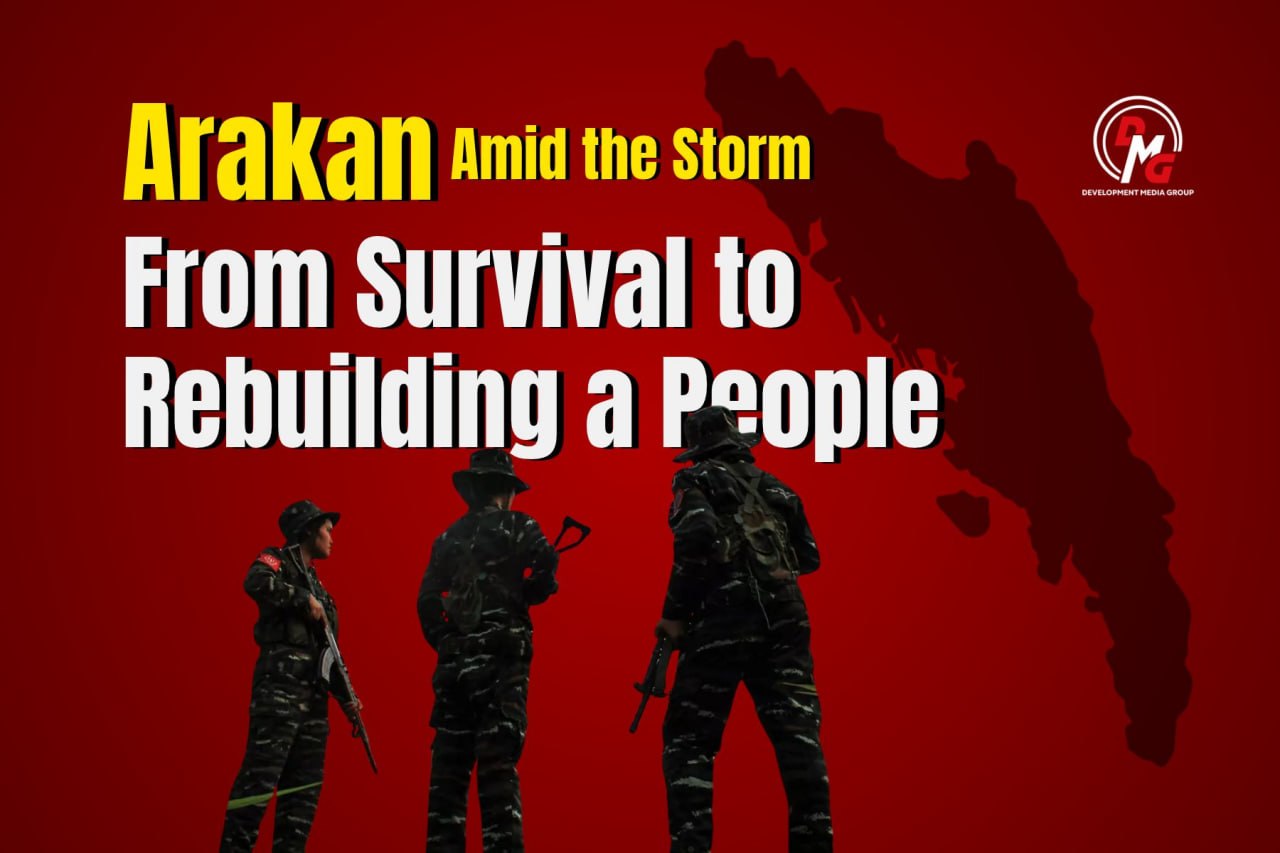
Arakan Amid the Storm: From Survival to Rebuilding a People
By Admin 22 Oct 2026
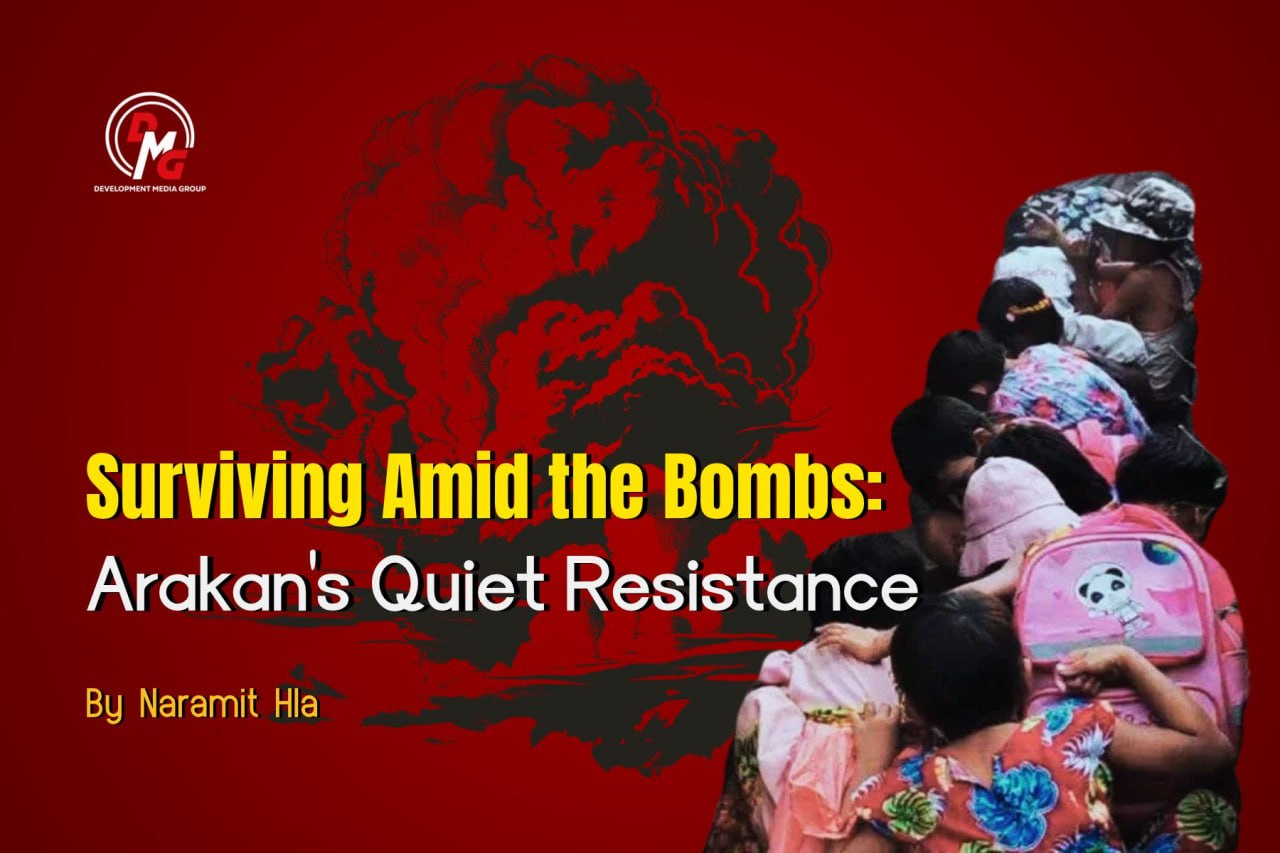
Surviving Amid the Bombs: Arakan's Quiet Resistance
By Admin 19 Oct 2026

Shadows Over Childhood: Confronting the Reality of Missing Children
By Admin 16 Oct 2026
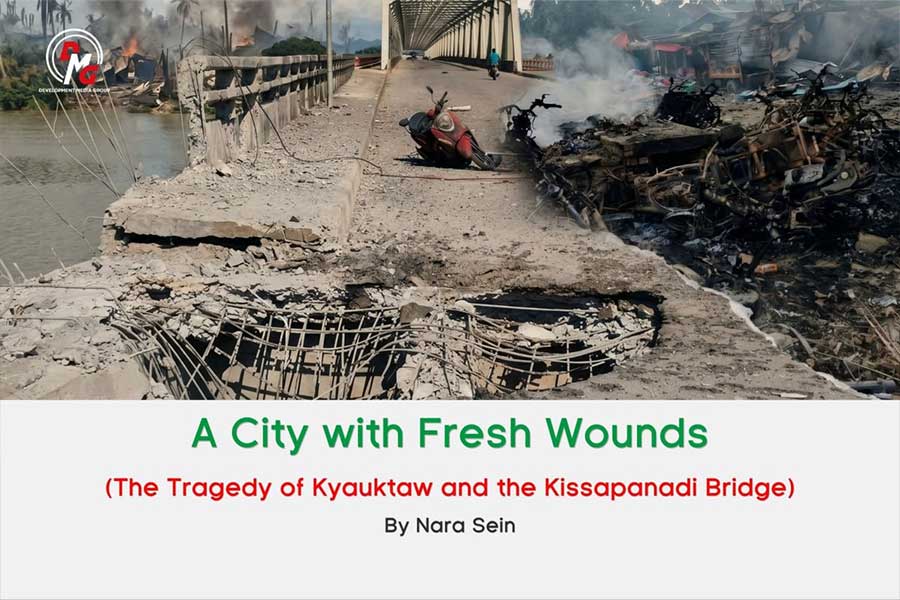
A City with Fresh Wounds (The Tragedy of Kyauktaw and the Kissapanadi Bridge)
By Admin 01 Oct 2026
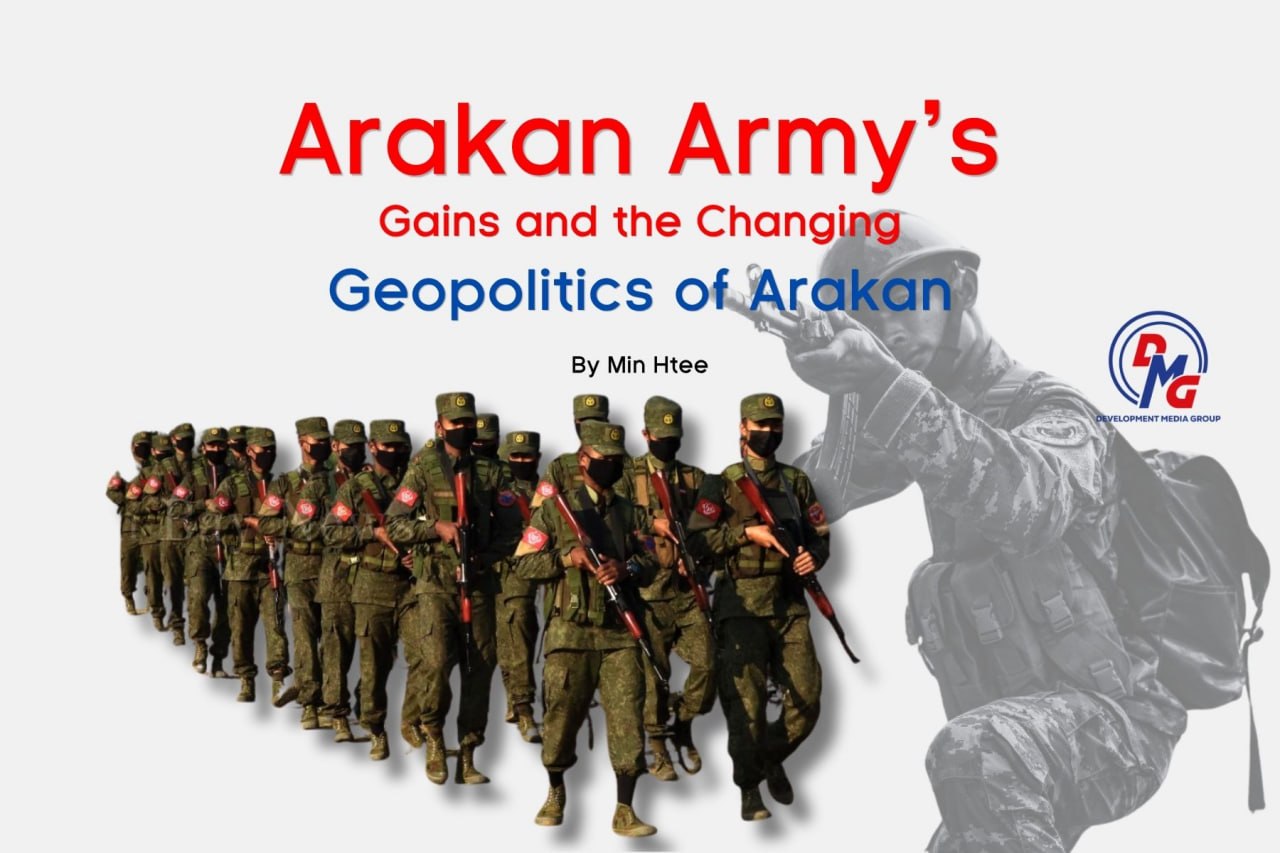
Arakan Army’s Gains and the Changing Geopolitics of Arakan
By Admin 29 Sep 2026
POLITICS

BUSINESS
Industry to manufacture finished goods from coconut starting in early 2020
By Aung Kaung Zaw 20 Nov 2019