

- Malaria cases surge across Ann Twsp as residents struggle to access healthcare
- Arakan’s elderly face deepening crisis amid war: CAS study
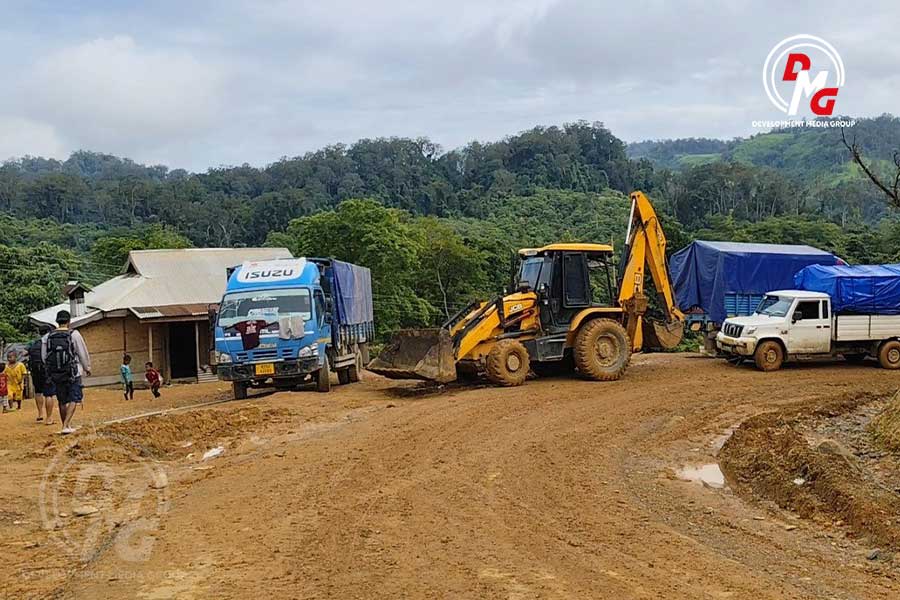
- ULA detains Arakanese merchants over Khaikhy dispute, moves to resolve issue
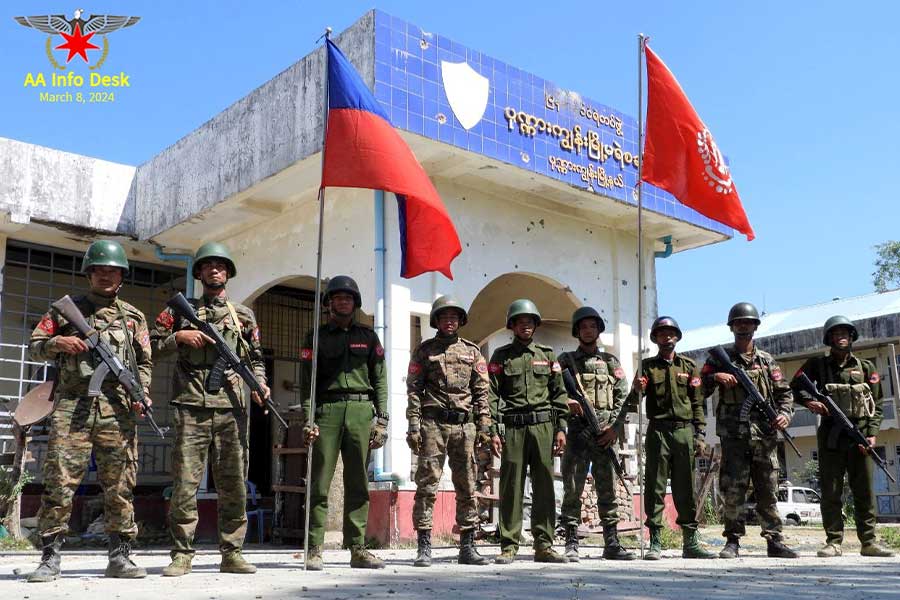
- Arakan Army captures four junta outposts on Sittwe-Ponnagyun front
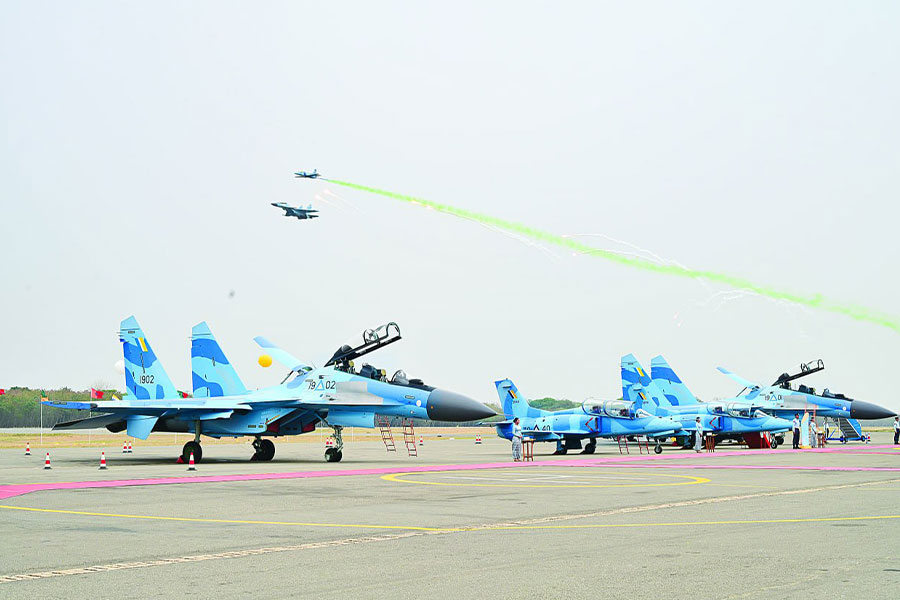
- Magway records most airstrikes since new military chief took command: ISP-Myanmar
Aid workers call for end to junta aid blockade as Arakan displacement reaches 600,000
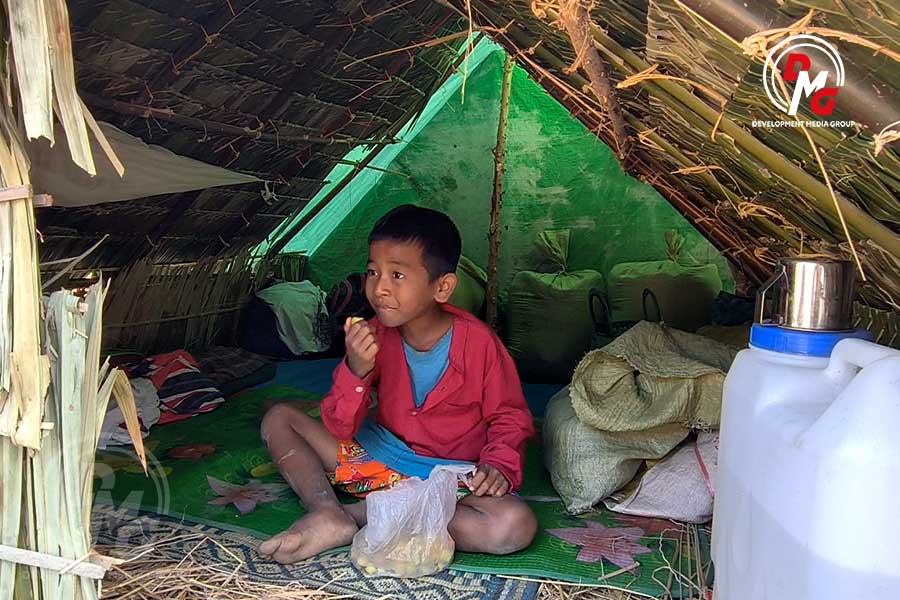
War affected communities and humanitarian networks across Arakan State marked World Refugee Day on Saturday with renewed calls for the lifting of military blockades restricting humanitarian aid from reaching hundreds of thousands of displaced civilians.
20 Jun 2026
DMG Newsroom
20 June 2026, Kyaukphyu
War affected communities and humanitarian networks across Arakan State marked World Refugee Day on Saturday with renewed calls for the lifting of military blockades restricting humanitarian aid from reaching hundreds of thousands of displaced civilians.
Local aid organizations report that the number of internally displaced persons has now exceeded 600,000 amid escalating conflict.
These populations are facing severe shortages of food, emergency medicine, and adequate shelter as the monsoon season intensifies.
"The available relief supplies are drastically insufficient," said Ko Naing Lin Tun, chairman of the Zinchaung Youth Philanthropic Association.
"Sponsoring agencies can only provide basic rice rations and a monthly cash stipend of about K35,000 per person. This is not enough to support the displaced population even in Kyaukphyu township, where at least 35,000 IDPs remain unassisted. New arrivals continue to overwhelm Ramree township and Taungup district, and aid groups can only provide minimum support to prevent starvation," he added.
In Kyaukphyu township, ongoing junta airstrikes and artillery shelling continue to displace thousands, worsening the humanitarian crisis.
Humanitarian monitors say the military regime’s enforcement of the four cuts strategy has severely restricted access for international aid organizations.
Local civil society groups are also operating under extreme resource shortages, leaving support systems overstretched. This situation is further aggravated by unemployment and inflation, forcing many displaced families into unstable day labor.
"The most urgent needs during the monsoon season are shelter and food," said Ko Pyae Phyo Naing, chairman of the Ponnagyun Youths Association. "Many families are living in unsafe shelters that cannot withstand heavy rains. Opportunities to earn a livelihood have disappeared due to insecurity and ongoing airstrikes."
The crisis coincides with World Refugee Day appeals from the United Nations Secretary-General, who called for increased global support for displaced populations and stronger protection of human dignity.
Observers say the military junta, facing battlefield losses across the country, has increasingly relied on airstrikes, drones, and artillery against civilian areas.
At the same time, authorities continue to enforce blockades on key transport routes, restricting access to food and medical supplies for displaced communities.

Top News
Malaria cases surge across Ann Twsp as residents struggle to access healthcare
By Admin 19 Sep 2026
Arakan’s elderly face deepening crisis amid war: CAS study
By Admin 19 Sep 2026
ULA detains Arakanese merchants over Khaikhy dispute, moves to resolve issue
By Admin 18 Sep 2026
Arakan Army captures four junta outposts on Sittwe-Ponnagyun front
By Admin 18 Sep 2026
Magway records most airstrikes since new military chief took command: ISP-Myanmar
By Admin 17 Sep 2026

.jpg)