

Fuel traders urge ULA to stabilize market amid shortage fears in Arakan State
Fuel merchants are urging the United League of Arakan (ULA), the administrative body governing Arakan State, to implement market stabilization measures and contingency plans to prevent potential fuel shortages as global markets react to the escalating crisis in Iran.
07 Mar 2026
DMG Newsroom
7 March 2026, Mrauk-U
Fuel merchants are urging the United League of Arakan (ULA), the administrative body governing Arakan State, to implement market stabilization measures and contingency plans to prevent potential fuel shortages as global markets react to the escalating crisis in Iran.
Although fuel supplies have not yet been depleted in areas controlled by the Arakan Army (AA), merchants report a surge in panic buying and hoarding. Market observers say intervention may be necessary to maintain stability.
“The situation is manageable for now, but sales could be restricted later. A major concern is that Arakanese merchants are currently buying fuel in bulk to stockpile. If this continues, supply chains could shut down within the next month or two, leading to a severe local shortage,” said an Arakanese merchant based in Mizoram.
Traders said the conflict in the Middle East is already straining global energy supplies and warned that local panic buying is pushing prices to excessive levels.
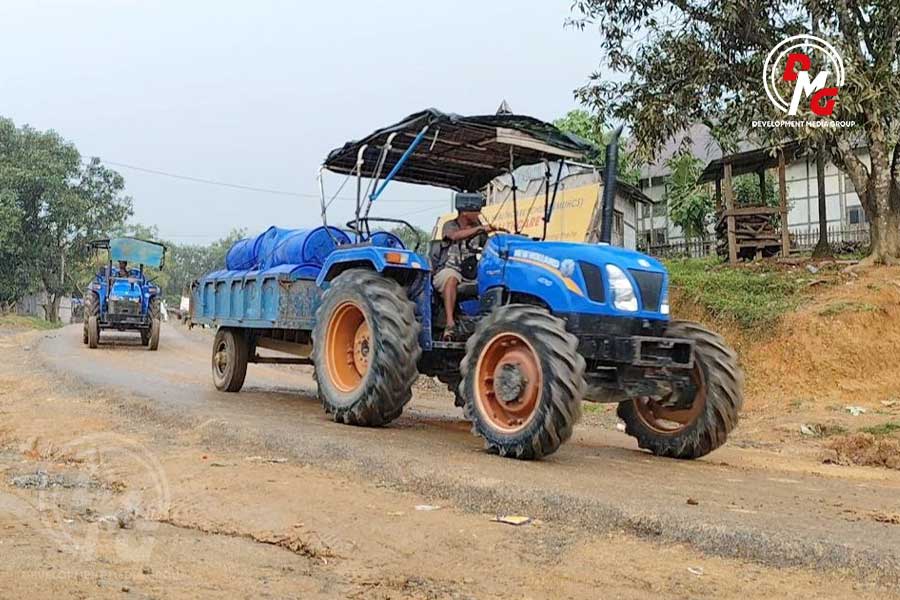
“It’s not that fuel is completely unavailable; it is still available. Today, the market price for a barrel of diesel ranges from K1.5 million to K1.6 million, while a barrel of Indian diesel has reached between K1.55 million and K1.65 million. Much of it is being hoarded. Supplies aren’t exhausted yet, but shipments are sold out as soon as they arrive,” a fuel trader in Mrauk-U told DMG.
Stakeholders warned that if fuel exports from India were suspended and gasoline prices continued to rise, all fuel-dependent sectors, including motorcycle taxi services, could come to a halt.
“When prices rise, we have no choice but to buy at that rate and pass the cost on to consumers. I know someone who sold a barrel of diesel for K1.3 million yesterday in southern Arakan State, unaware of the price hike, and ended up at a loss. The price gap between yesterday and today is massive,” said a female fuel station owner.
Geopolitical tensions in the Middle East, particularly the suspension of Iranian oil exports, have sent shockwaves through global markets, prompting governments worldwide to coordinate crisis management measures.
At the onset of the current conflict in Arakan State, the military regime’s blockade of transportation routes caused fuel prices to soar, forcing many residents to rely on bicycles for daily travel.

Top News
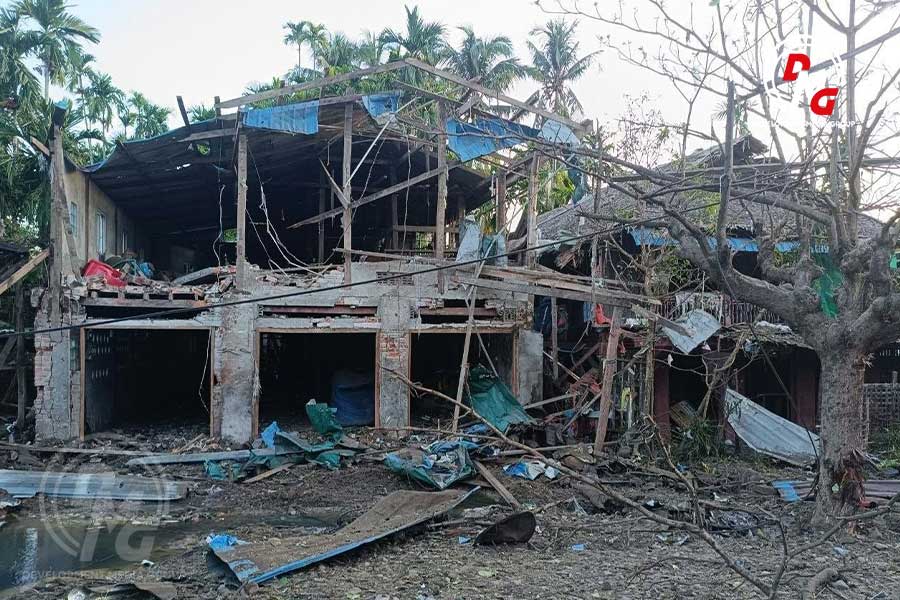
Junta airstrike destroys homes in Kyeintali Town
By Admin 20 Oct 2026
Wild elephants destroy farmland in northern Maungdaw
By Admin 20 Oct 2026
Clashes intensify at three locations near Sittwe ROC
By Admin 19 Oct 2026
Junta extends martial law in 55 townships, including AA-held areas
By Admin 19 Oct 2026
Financial hardship limits access to healthcare in Arakan
By Admin 19 Oct 2026