

- Foreign investor exodus signals growing risk of state failure in Myanmar: BNI-MPM
- Women in Arakan face heightened risks of violence amid conflict, economic hardship
- Myanmar faces worsening labour shortages amid conscription and youth exodus: ISP
- CAS documents over 3,200 cases of civilian harm in Arakan conflict
- Myanmar Navy threats leave Arakan fishing industry on the brink of collapse
Foreign investor exodus signals growing risk of state failure in Myanmar: BNI-MPM
Myanmar faces a growing risk of state failure as foreign investors withdraw, armed conflict persists and deteriorating economic conditions deepen public hardship, according to a new analysis by Burma News International’s Myanmar Peace Monitor (BNI-MPM).
28 Nov 2026

DMG Newsroom
28 November 2026, Yangon
Myanmar faces a growing risk of state failure as foreign investors withdraw, armed conflict persists and deteriorating economic conditions deepen public hardship, according to a new analysis by Burma News International’s Myanmar Peace Monitor (BNI-MPM).
The organisation’s latest Bi-Weekly News Review said nearly 40 foreign companies from 16 countries have left or are seeking to leave Myanmar since the February 2021 military coup, citing political instability, widespread armed conflict and a deteriorating business environment.
Among the latest companies moving to exit Myanmar are Japan’s Isuzu Truck Service Factory, British consumer goods giant Unilever and Italian telecommunications technology company SIAE Microelettronica.
The corporate exodus spans key economic sectors, including oil and gas, energy, mining, banking, telecommunications, manufacturing and consumer goods.
The withdrawal of garment manufacturing orders by 12 international fashion brands, including Uniqlo, H&M, Zara and Primark, has also severely affected factory workers.
BNI-MPM warned that the departure of foreign investors is undermining economic development, reducing employment opportunities and placing additional pressure on the military regime’s foreign currency earnings.
Despite rising living costs and shrinking employment opportunities, the military regime requested an additional 2.5 trillion kyats in defence funding, bringing its reported military budget for the 2026–2027 fiscal year to more than 10 trillion kyats — nearly four times the level under the previous National League for Democracy-led government.
The report attributed the weakening of Myanmar’s currency partly to the regime’s reliance on money printing, citing an exchange rate of more than 5,000 kyats per US dollar.
The economic crisis is unfolding alongside persistent armed conflict, civilian casualties and mass displacement.
Between October 22 and November 4, BNI-MPM recorded 43 military airstrike events nationwide, compared with 27 during the preceding two weeks. Arakan (Rakhine) State recorded the highest number, with nine events.
During the same period, BNI-MPM documented 93 civilian deaths nationwide, including 30 in Arakan State, while an estimated 22,300 people were newly displaced by conflict.
Its cumulative reported internal displacement figures since the coup exceeded 4.74 million as of November 4.
Citing the Fund for Peace’s 2024 Fragile States Index, the report noted that Myanmar ranked 11th among the world’s most fragile states and was classified in the “High Alert” category.
BNI-MPM identified declining public trust, competing claims to political legitimacy, deteriorating public services, human rights violations and economic instability as major warning signs of potential state failure.
The organisation urged all stakeholders, including the military regime, to address these interconnected crises through measures extending beyond ceasefires and security arrangements, including political power-sharing, ethnic equality, human rights protection, restoration of public services and the establishment of a federal democratic union.

Top News
Foreign investor exodus signals growing risk of state failure in Myanmar: BNI-MPM
By Admin 28 Nov 2026
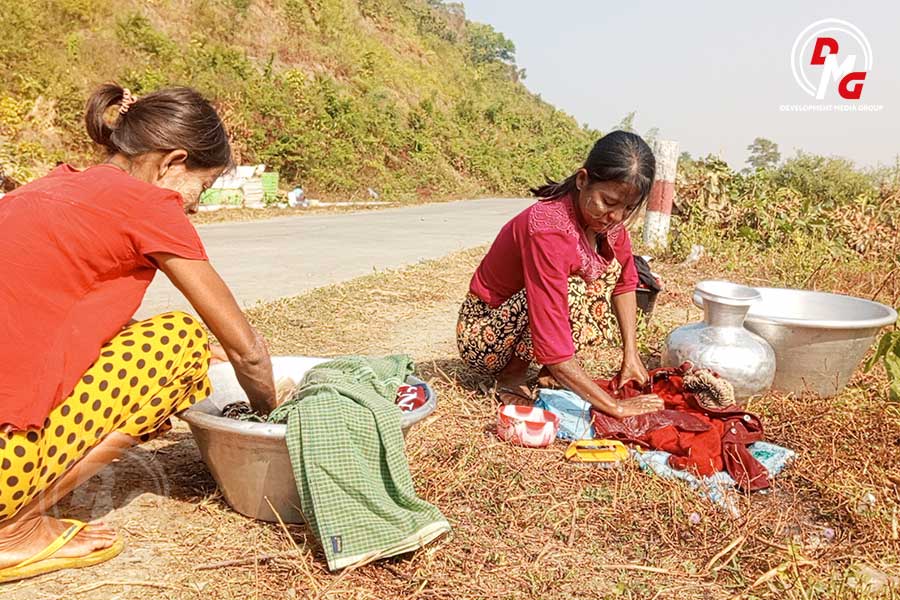
Women in Arakan face heightened risks of violence amid conflict, economic hardship
By Admin 27 Nov 2026

Myanmar faces worsening labour shortages amid conscription and youth exodus: ISP
By Admin 27 Nov 2026
Myanmar plays key role in China’s critical mineral supply chains: report
By Admin 27 Nov 2026
CAS documents over 3,200 cases of civilian harm in Arakan conflict
By Admin 27 Nov 2026