


- Junta airstrike kills woman, injures another in Werathani
- Over 150 Kyauktaw villagers face displacement as Kaladan River erodes banks
- Malaria cases surge across Ann Twsp as residents struggle to access healthcare
- Arakan’s elderly face deepening crisis amid war: CAS study
- ULA detains Arakanese merchants over Khaikhy dispute, moves to resolve issue
Junta chief's Beijing visit signals heightened Chinese pressure on Myanmar resistance
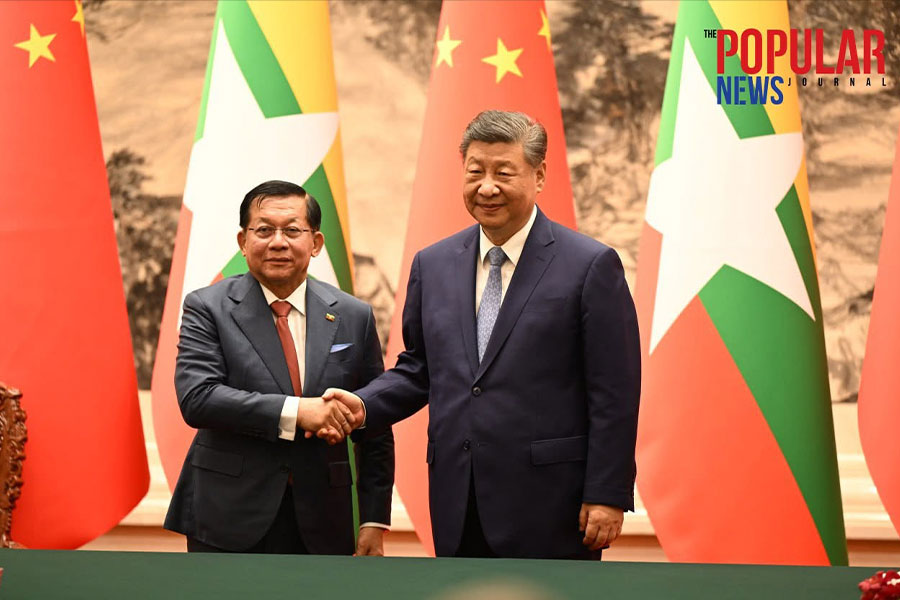
Junta chief Min Aung Hlaing's recent state visit to Beijing has triggered serious concerns among regional analysts who warn of shifting geopolitical dynamics and impending diplomatic pressure on Myanmar's revolutionary forces, local monitors reported Saturday.
20 Jun 2026
DMG Newsroom
20 June 2026, Mrauk-U
Junta chief Min Aung Hlaing's recent state visit to Beijing has triggered serious concerns among regional analysts who warn of shifting geopolitical dynamics and impending diplomatic pressure on Myanmar's revolutionary forces, local monitors reported Saturday.
Min Aung Hlaing, who assumed the presidency through highly engineered electoral mechanisms, concluded a critical four-day diplomatic mission to China that commenced June 15.
The strategic deployment followed closely on the heels of a separate state visit to India in late May, highlighting the regime's desperate drive to secure international legitimacy.
"The geopolitical positioning of Myanmar's immediate neighbors profoundly dictates the operational capacity of domestic political factions," noted prominent political analyst Dr. Sai Kyi Zin Soe. He cited China's heavy-handed mediation involving the Ta’ang National Liberation Army and Myanmar National Democratic Alliance Amry as clear precedents. "Without immediate, unified strategic coordination among resistance groups, anti-junta forces will face severe, multi-front military and diplomatic leverage orchestrated by Beijing and the regime."
The warning follows bitter memories of the late 2023 Operation 1027 offensive. While the sweeping resistance campaign brought the military regime to the brink of collapse, direct Chinese intervention successfully enforced a ceasefire in northern Shan State, effectively freezing resistance momentum and preserving fragmented junta territorial assets.
Parallel to Min Aung Hlaing's high-level meetings, a secondary regime delegation led by General Yar Pyae convened secret border negotiations with powerful ethnic armed organizations, including the United Wa State Army, the National Democratic Alliance Army in Mong La, and the Shan State Progress Party.
Military observers categorize these concurrent talks as a coordinated strategy engineered to project Beijing's geopolitical weight across the conflict landscape.
Defected army captain Zin Yaw, an analyst aligned with the Civil Disobedience Movement, warned that the developing axis poses immediate existential dilemmas for border-aligned resistance forces, particularly the Kachin Independence Army. "Beijing is poised to exert unprecedented economic and logistical pressure on border networks," Zin Yaw stated. "It is now imperative for revolutionary elements to maximize self-reliance and accelerate direct conventional offensives against the state apparatus."
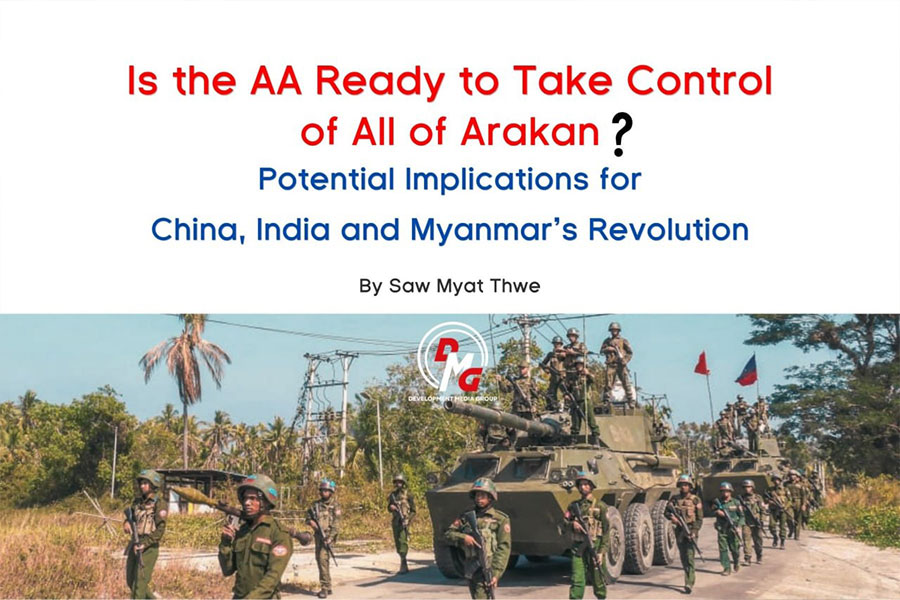
The geopolitical friction intensifies as the KIA expands active combat operations into the Sagaing region, while the Arakan Army, a core member of the Three Brother Alliance, has successfully pushed its military theater beyond Arakan State into Ayeyarwady, Magway, and Bago regions.
Analysts predict that these cross-regional alliances with Spring Revolution groups could trigger harsh, coercive countermeasures from Chinese authorities seeking border stability.
During the state visit, the military council signed 18 separate memoranda of understanding, pledging rapid advancement on critical Chinese infrastructure projects. The agreements prioritize the controversial Kyaukphyu Deep-Sea Port Special Economic Zone, interconnected railway networks, and vital oil and natural gas pipelines.
While these strategic corridors traverse Arakan State, Magway, Mandalay, and Shan State, the regime has completely lost administrative control over nearly every sector along the pipeline path outside of Shan State.
"The junta's infrastructure concessions are empty promises traded over airwaves solely to purchase short-term Chinese political patronage," remarked an '88 Arakan Generation student leader. "To protect its multi-billion-dollar investments, Beijing will eventually have to abandon a powerless regime and engage pragmatically with the Arakan Army, which holds absolute de facto sovereignty on the ground."
Despite surrendering more than 100 strategic townships over the past two years, the military junta is attempting to leverage localized counter-offensives and the diplomatic indulgence of regional giants like China and India to force its way back into official international forums.

Top News
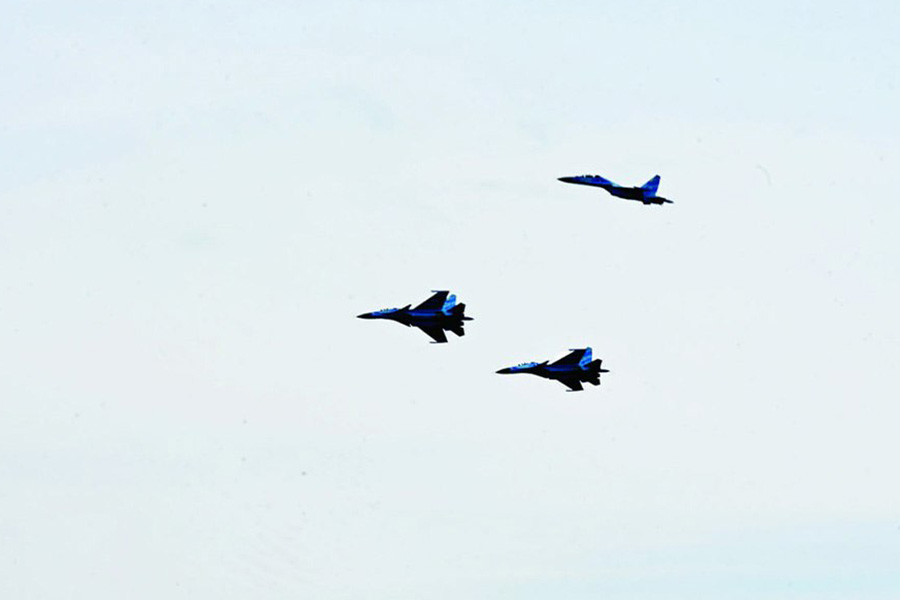
Junta airstrike kills woman, injures another in Werathani
By Admin 21 Sep 2026
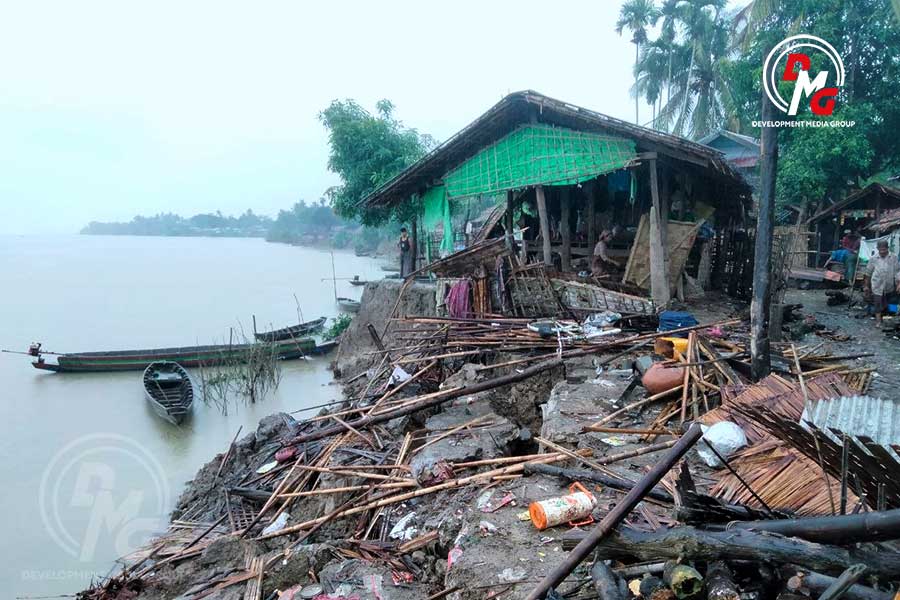
Over 150 Kyauktaw villagers face displacement as Kaladan River erodes banks
By Admin 21 Sep 2026

Media outlets can verify Arakan State news through Justice For Arakan: ULA official
By Admin 20 Sep 2026
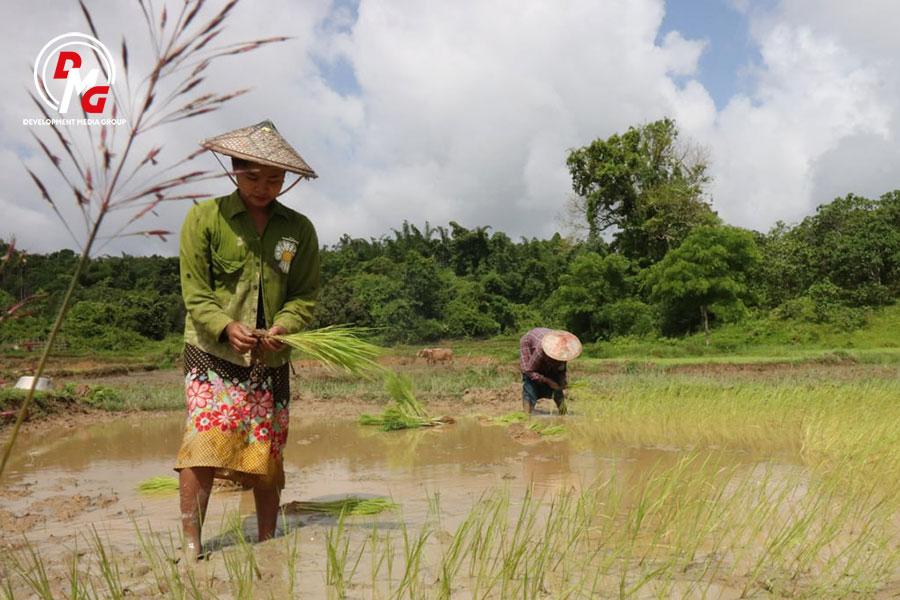
Paddy cultivation in Arakan State shrinks to around 500,000 acres
By Admin 19 Sep 2026
Junta navy detains eight Muslim fishermen in Werathani, abandons them at sea
By Admin 19 Sep 2026


.jpg)