
- Myanmar's garment industry faces deepening crisis: ISP report
- Up to 600,000 displaced people in Arakan face worsening humanitarian crisis: CAS report
- Junta steps up airstrikes and ground offensive to retake Arakan Army-held village in Ponnagyun
- Weekly Highlights from Arakan (November 2-8, 2026)
- Diwali: Illuminating the Path Towards a More Inclusive Society
Myanmar's garment industry faces deepening crisis: ISP report
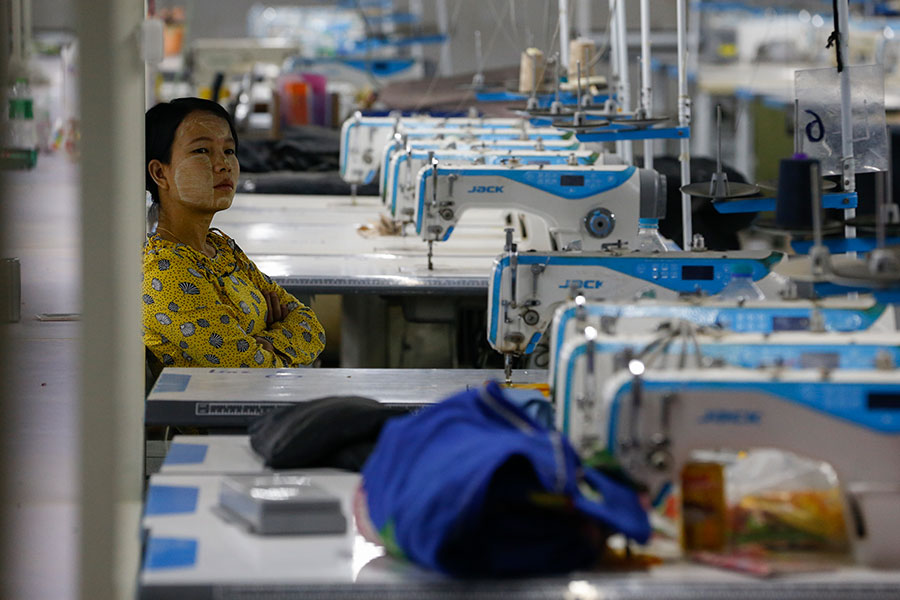
Myanmar's garment industry faces a deepening crisis as declining international orders, factory closures, labour rights concerns and restrictive economic policies threaten jobs, particularly those held by women, according to a new report by the Institute for Strategy and Policy – Myanmar (ISP-Myanmar).
10 Nov 2026
DMG Newsroom
10 November 2026, Yangon
Myanmar's garment industry faces a deepening crisis as declining international orders, factory closures, labour rights concerns and restrictive economic policies threaten jobs, particularly those held by women, according to a new report by the Institute for Strategy and Policy – Myanmar (ISP-Myanmar).
The report, ISP On Point 2026, released on November 6, warns that the industry may struggle to recover amid prolonged political instability and economic difficulties following the 2021 military coup.
At least 17 garment factories have submitted closure applications to the Myanmar Investment Commission in 2026, according to ISP.
The industry has faced repeated disruptions since the COVID-19 pandemic and military takeover. By June 2021, 143 factories had permanently closed, while another 63 had temporarily suspended operations.
Although Chinese-owned factories expanded after 2022, helping offset earlier closures, declining overseas orders have recently forced some businesses to shut down.
Employment has fallen significantly. Myanmar's garment industry employed nearly 700,000 workers in 2019, compared with approximately 450,000 in June 2025.
Women account for around 85 percent of garment workers. Citing a 2025 United Nations Development Programme assessment, ISP says 91 percent of female workers had not completed upper-secondary education, making alternative employment particularly difficult.
The report identifies three major challenges: an outdated production model, declining profitability and international pressure over labour rights violations.
Most factories operate under the Cut-Make-Pack (CMP) system, relying on foreign buyers to supply raw materials. This limits profit margins and leaves manufacturers vulnerable to import restrictions and supply disruptions.
Foreign exchange controls further reduce earnings, while higher US tariffs introduced in August 2025 have increased pressure on exporters.
Labour rights concerns have also prompted international brands, including Inditex, Marks & Spencer, C&A and Primark, to suspend sourcing from Myanmar, according to ISP.
The report highlights allegations of worker intimidation, trade union repression and other labour rights violations following the military takeover.
Myanmar also faces increasing competition from Bangladesh, Vietnam and Indonesia, where manufacturers offer more competitive production arrangements.
The European Union remains Myanmar's largest garment export market, accounting for approximately 53 percent of exports, while Japan and South Korea account for around 25 percent and 10 percent, respectively.
ISP warns that shifting towards Asian markets, a strategy used during earlier economic crises, may no longer be sufficient to revive the industry.
The research organisation recommends stabilising exchange rates, easing import-export restrictions and modernising production systems to improve competitiveness.
Without substantial economic reforms and improvements in labour rights, Myanmar's garment industry could face a prolonged downturn, leaving workers, particularly women, vulnerable to further economic hardship.

Top News
Myanmar's garment industry faces deepening crisis: ISP report
By Admin 10 Nov 2026
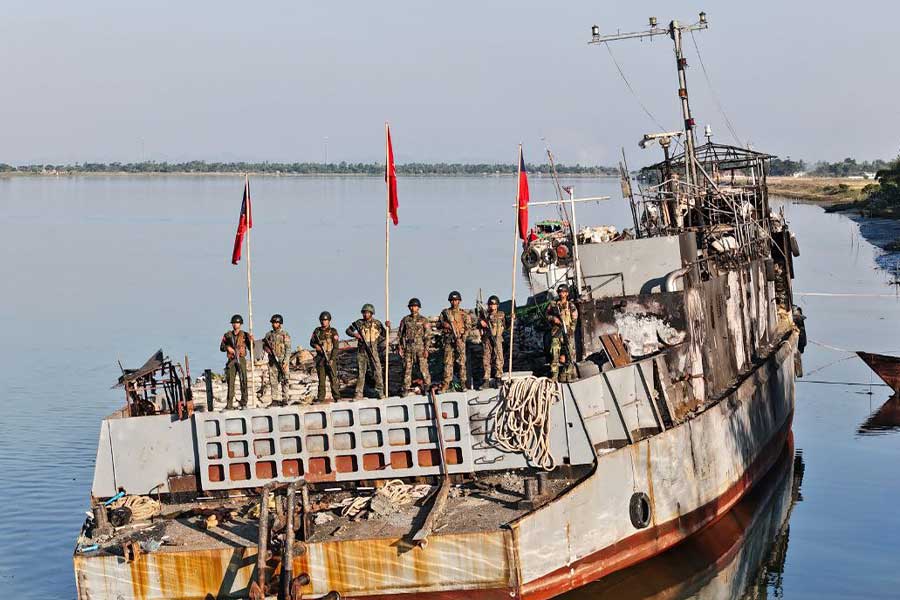
Arakan Army claims to have sunk more than 10 junta warships in three years
By Admin 09 Nov 2026
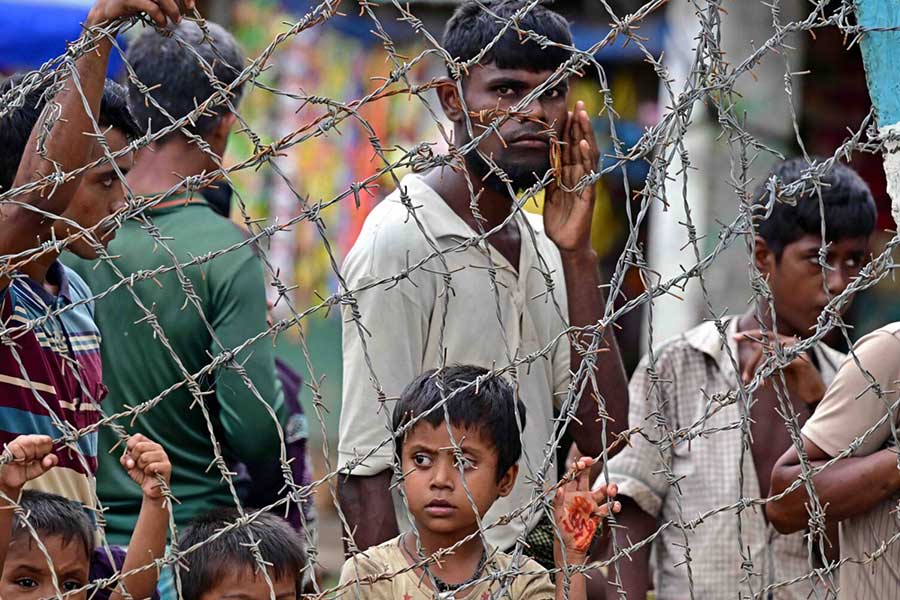
Bangladesh confirms talks with Arakan Army on Rohingya crisis
By Admin 09 Nov 2026