

- At least five injured in junta Y-12 airstrikes on Werathani villages
- Junta orders Sittwe residents to dismantle home bomb shelters
- Arakan records most armed incidents as 78 civilians killed across Myanmar: NLTA
- Y-12 aircraft, drones circle over Sittwe as clashes intensify
- Panic grips Sittwe after deadly reported Y-12 airstrike
Mizoram tightens restrictions on foreigners in key Arakan trade gateway
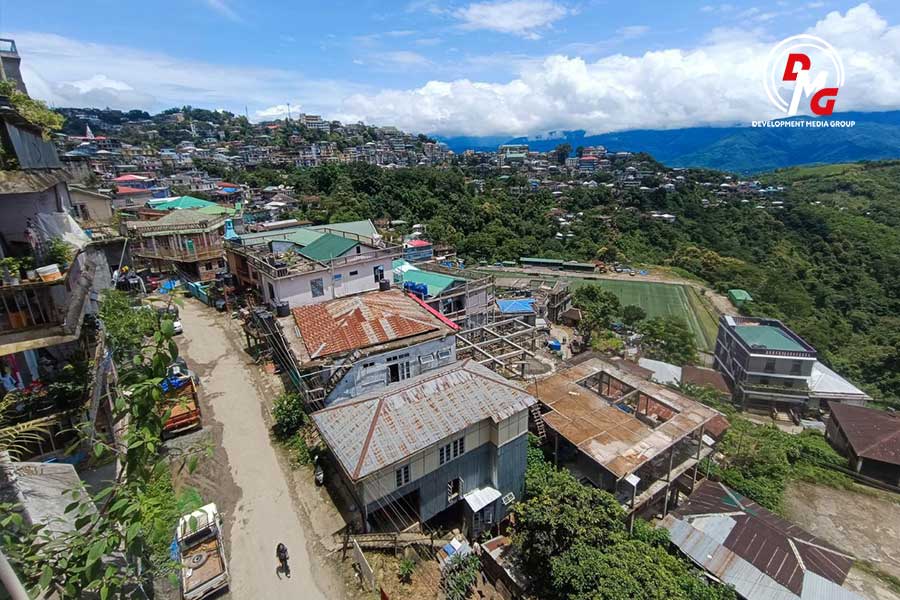
Authorities in India’s Mizoram State have introduced tighter restrictions on refugees and foreigners in Lawngtlai District, a key gateway for cross-border trade between India and Arakan, potentially creating additional difficulties for Arakanese traders operating in the area.
09 Sep 2026
DMG Newsroom
9 September 2026, Paletwa
Authorities in India’s Mizoram State have introduced tighter restrictions on refugees and foreigners in Lawngtlai District, a key gateway for cross-border trade between India and Arakan, potentially creating additional difficulties for Arakanese traders operating in the area.
A notice dated September 3 and signed by Lawngtlai Deputy Commissioner Donny Lalruatsanga sets out a series of regulations covering employment, accommodation, movement and registration of refugees and foreigners.
Under the directive, refugees working in business establishments are required to obtain work permits through the relevant Village Council and Young Lai Association (YLA). From September 2026, refugees and foreigners will also not be permitted to rent houses in Lawngtlai town.
The directive prohibits refugees and foreigners from going out after 8 p.m. except in emergencies and calls for checks where necessary.
Village Councils are required to maintain registers of refugees and foreigners living or renting accommodation within their jurisdictions. Households hosting people who are not Indian citizens must report them to the Village Council and local youth organisation.
People moving from one locality to another must also obtain documentation from their previous Village Council and submit it to the authorities in their new place of residence.
Hotels and homestays are required to verify identification documents, including voter ID, Aadhaar cards or driving licences, and maintain records of guests. Weekly reports with relevant documentation must be submitted to the Superintendent of Police in Lawngtlai.
The new measures are significant for Arakan because Lawngtlai is an important commercial gateway linking Mizoram with Paletwa and onward to other parts of Arakan.
Arakanese traders have increasingly relied on India for food, medicines and other essential commodities as conflict and restrictions have disrupted traditional supply routes connecting Arakan with mainland Myanmar.
Trade through the Mizoram-Paletwa corridor has consequently become an important alternative supply line, but it has also faced repeated difficulties.
Earlier this year, cross-border trade through parts of Mizoram was temporarily suspended following security incidents before later resuming. Restrictions on transporting fuel have also affected traders, while monsoon-season landslides have disrupted roads used to carry goods toward the border.
More recently, Myanmar military airstrikes in Paletwa Township have created additional security concerns along sections of the India-Arakan trade corridor, discouraging some traders and transport operators from travelling through affected areas.
The latest Lawngtlai directive does not announce a closure or suspension of border trade. However, restrictions on renting accommodation, employment and nighttime movement, together with additional registration requirements, could increase costs and administrative difficulties for Arakanese and other Myanmar traders who need to stay in Lawngtlai for extended periods.
The measures come at a sensitive time for Arakan, where wartime disruption to transportation and trade has contributed to shortages and rising prices in several areas.
With conventional supply routes from mainland Myanmar remaining constrained, trade through neighbouring India and Bangladesh has assumed greater importance for the movement of food, medicine and other necessities.
Any prolonged disruption or additional restrictions affecting the Mizoram-Paletwa corridor could therefore have consequences beyond traders themselves, potentially affecting commodity supplies and prices for communities across Arakan.

Top News
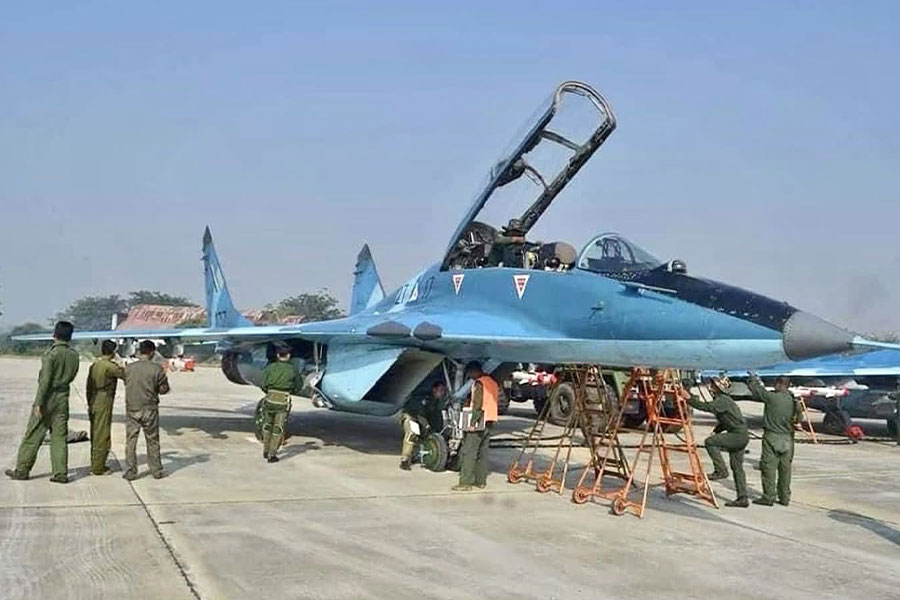
At least five injured in junta Y-12 airstrikes on Werathani villages
By Admin 24 Oct 2026
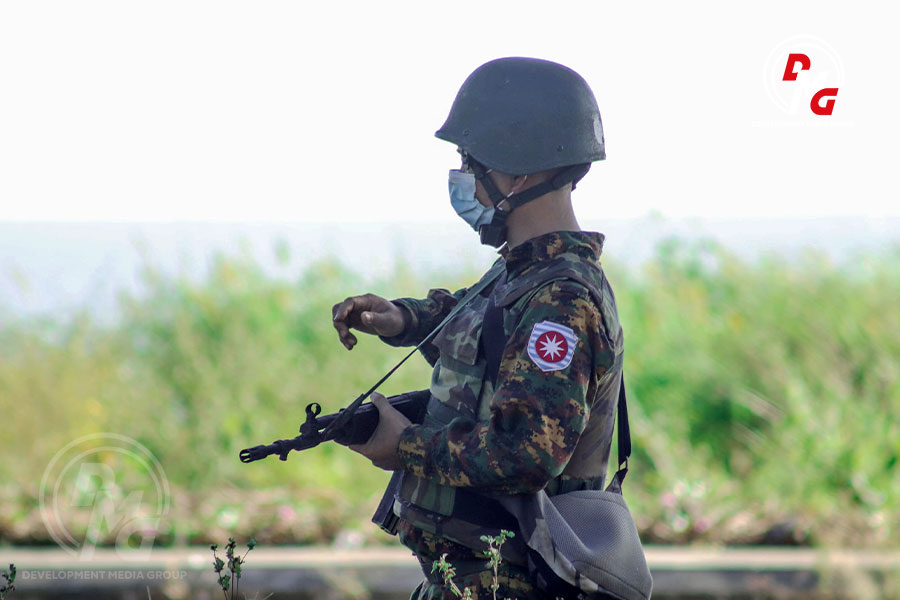
Junta orders Sittwe residents to dismantle home bomb shelters
By Admin 24 Oct 2026
Arakan records most armed incidents as 78 civilians killed across Myanmar: NLTA
By Admin 24 Oct 2026
Woman killed, two injured in junta airstrike on Ponnagyun Twsp village
By Admin 23 Oct 2026
Y-12 aircraft, drones circle over Sittwe as clashes intensify
By Admin 23 Oct 2026