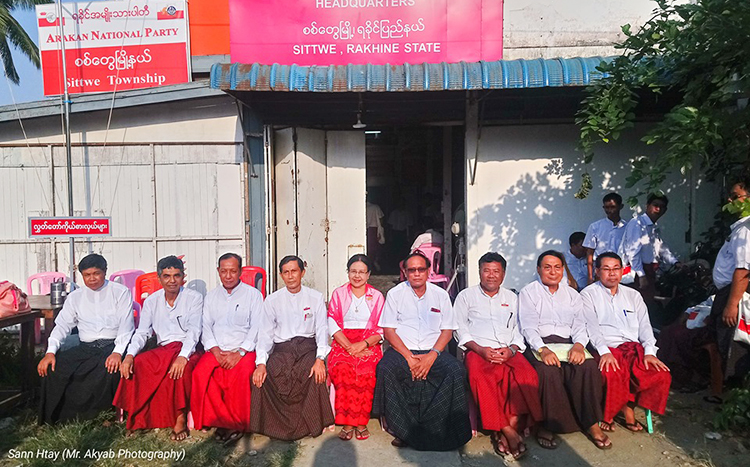


- Y-12 aircraft, drones circle over Sittwe as clashes intensify
- Panic grips Sittwe after deadly reported Y-12 airstrike
- At least six killed, 37 injured in reported Y-12 bombing of downtown Sittwe
- Junta column heading toward Kyindwe suffers heavy casualties in resistance ambushes
- Junta replaces Arakan State security minister amid escalating battles near Sittwe
Onion cultivation expands in Arakan State with hopes for self-sufficiency and market growth
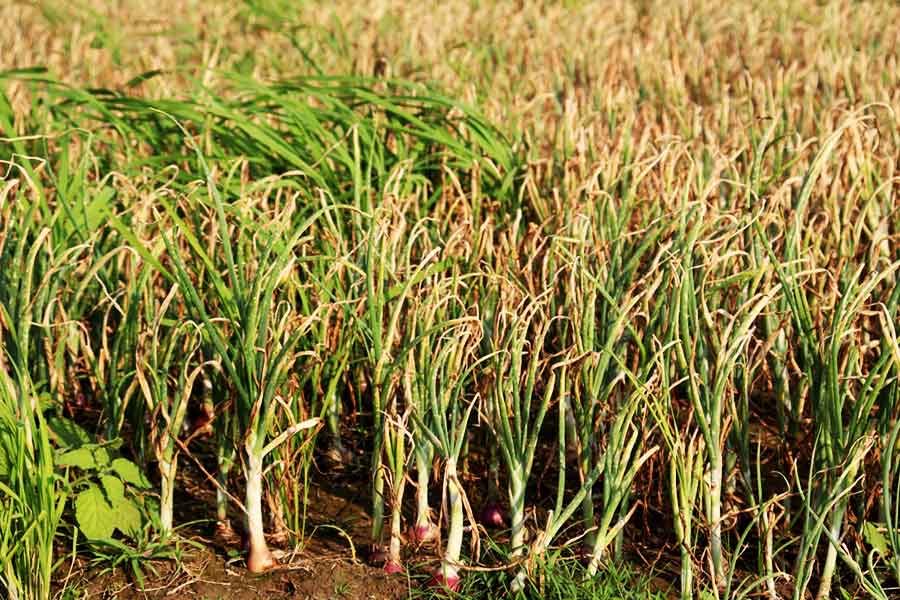
Onion plantations being grown on an experimental basis in Arakan State are thriving, with farmers expressing optimism about meeting local demand and expanding to wider markets.
22 Apr 2026
DMG Newsroom
22 April 2026, Mrauk-U
Onion plantations being grown on an experimental basis in Arakan State are thriving, with farmers expressing optimism about meeting local demand and expanding to wider markets.
Onions for Arakan State were previously mainly imported from mainland Myanmar, but following trade blockages linked to the conflict, supplies have been sourced from India.
Farmers are now cultivating onions locally to meet daily consumption needs within Arakan State.
Ko Sit Aye Paing, an onion plantation owner, said, “Commercial cultivation only began this year. It is possible to grow onions in Arakan State. Like paddy, onions sprout once seeds are sown. After transplanting the seedlings, they require care for over 40 days. Arakan State is suitable because of the availability of fresh water from rivers and streams. If solar systems and DC motors are used for irrigation, costs can be reduced significantly.”
There are growing expectations that onion farming will contribute to regional food security.
Ko Sit Aye Paing said cultivation is taking place in villages near the Laymyo River in Mrauk-U Township, with aims to achieve self-sufficiency and support distribution within the state.
“Currently, with the acreage we have planted, production is mainly for local distribution. In the future, if transportation improves, we plan to expand cultivation for export to foreign markets,” he said.
The onions being grown are the Shwe Phalar variety sourced from mainland Myanmar.
Local residents are also finding employment opportunities in the plantations, providing a more stable income.
Ko Chit Maung, a plantation worker, said, “Working in onion fields is better now. Previously, I had to rely on irregular jobs such as collecting firewood, fetching water, and carrying stones. Now, I can work daily.”
Workers reported that men earn about K20,000 per day, while women earn around K12,000.
Residents noted that the market price of onions in Arakan State currently exceeds K6,000 per viss, offering potential profitability for farmers.
Ko Sit Aye Paing said, “The current market price is reasonable and profitable. With six acres of plantation, I estimate a yield of about 30,000 viss. Even at K6,000 per viss, it should bring a good return.”
Although exporting onions to mainland Myanmar and foreign markets remains challenging, farmers say improved agricultural support is needed.
“Our main challenge is the high cost of inputs. If these costs can be reduced, we will be more competitive. Large scale cultivation will also help us compete better than small scale farming,” he said.
Farmers are also being encouraged to cultivate crops such as sunflower, chickpea, and onion after the paddy harvest to make use of vacant farmland.
They added that onion prices in Arakan State can reach up to K10,000 per viss, making it a potentially profitable crop even during the early stages of cultivation.

Top News
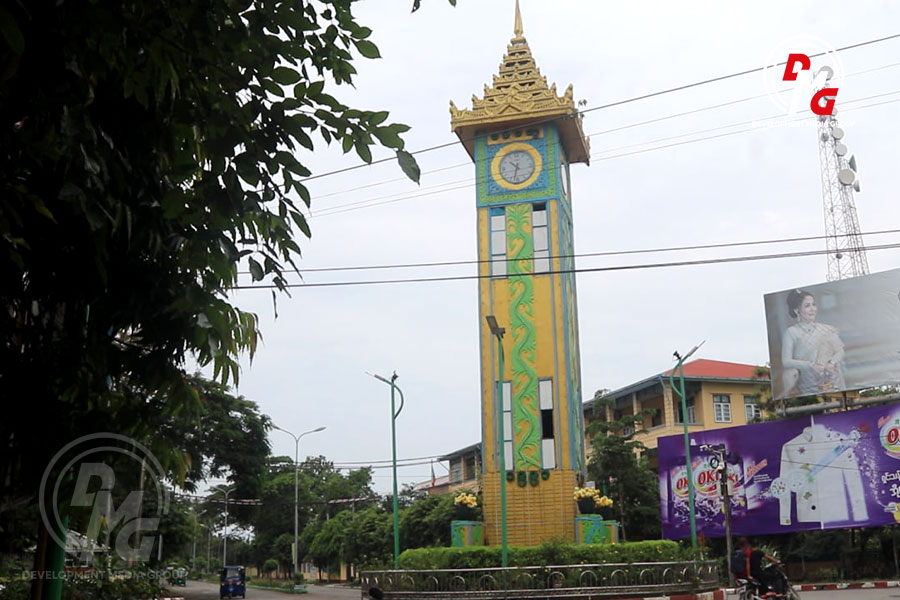
Y-12 aircraft, drones circle over Sittwe as clashes intensify
By Admin 23 Oct 2026

Panic grips Sittwe after deadly reported Y-12 airstrike
By Admin 23 Oct 2026
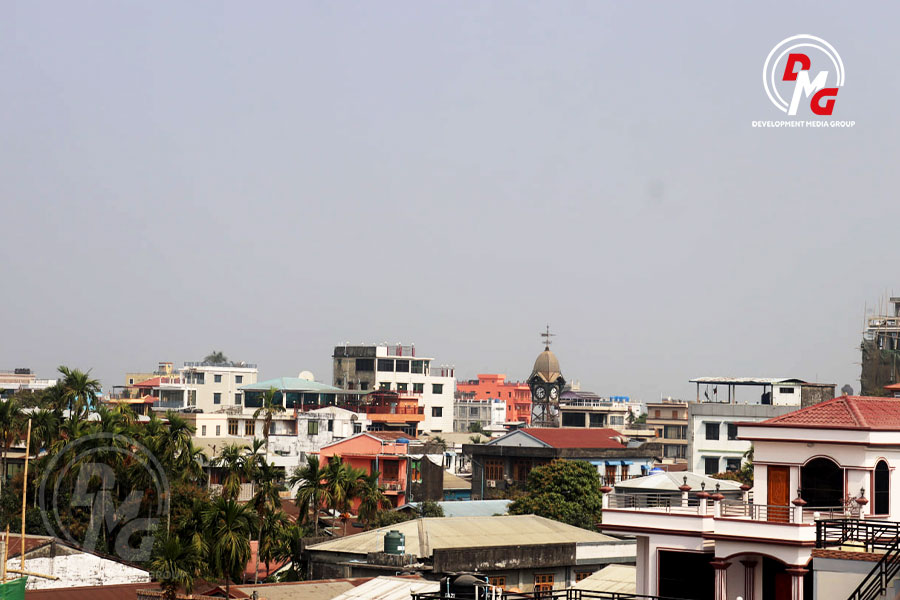
At least six killed, 37 injured in reported Y-12 bombing of downtown Sittwe
By Admin 23 Oct 2026

Fighting continues on Ngapyi Island as junta troops remain trapped
By Admin 22 Oct 2026

Junta allows Aung San Suu Kyi to speak with son for first time in over five years
By Admin 22 Oct 2026