
People with disabilities in Arakan face deepening humanitarian crisis, CAS warns
People with disabilities in western Myanmar's Arakan (Rakhine) State face worsening humanitarian conditions as armed conflict, landmines, airstrikes and restrictions on aid deliveries threaten their safety and access to essential services, according to a new report by the Center for Arakan Studies (CAS).
21 Oct 2026
DMG Newsroom
21 October 2026, Mrauk-U
People with disabilities in western Myanmar's Arakan (Rakhine) State face worsening humanitarian conditions as armed conflict, landmines, airstrikes and restrictions on aid deliveries threaten their safety and access to essential services, according to a new report by the Center for Arakan Studies (CAS).
The report, released on October 20, examines the challenges facing people with disabilities amid prolonged fighting, displacement and deteriorating humanitarian conditions.
CAS said people with disabilities, particularly those displaced by conflict, face serious difficulties obtaining food, adequate shelter, healthcare and rehabilitation services. Women and children with disabilities are among the most vulnerable.
Citing figures from the Rakhine State Association of Persons with Disabilities, the report said 496 people had acquired disabilities during the conflict across four townships as of August 2024.
The figures included 230 people in Mrauk-U, 129 in Minbya, 90 in Kyauktaw and 47 in Ponnagyun. The figures cover only those four townships and do not represent a statewide total.
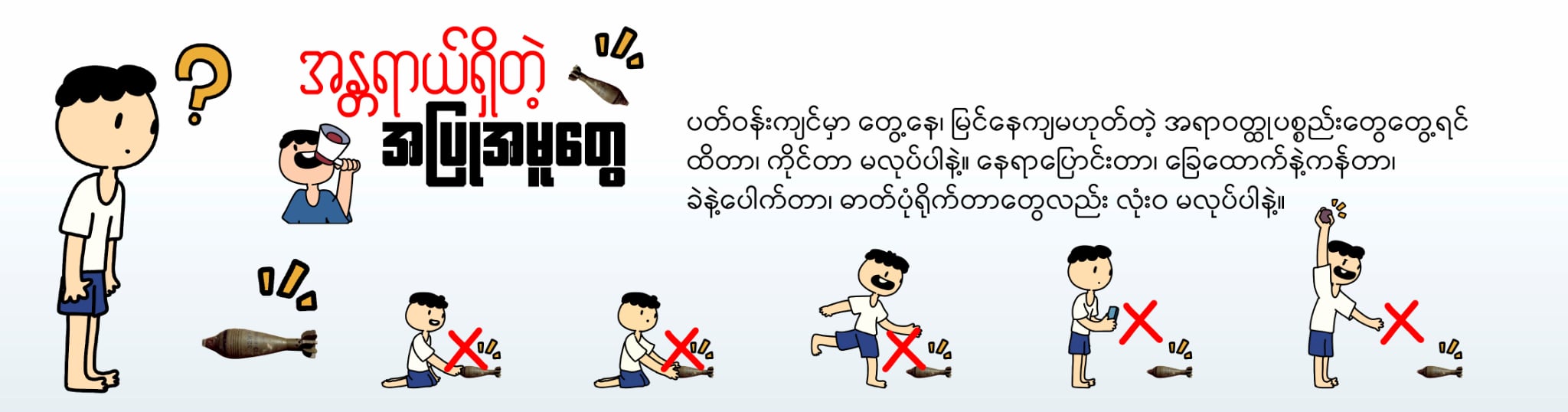
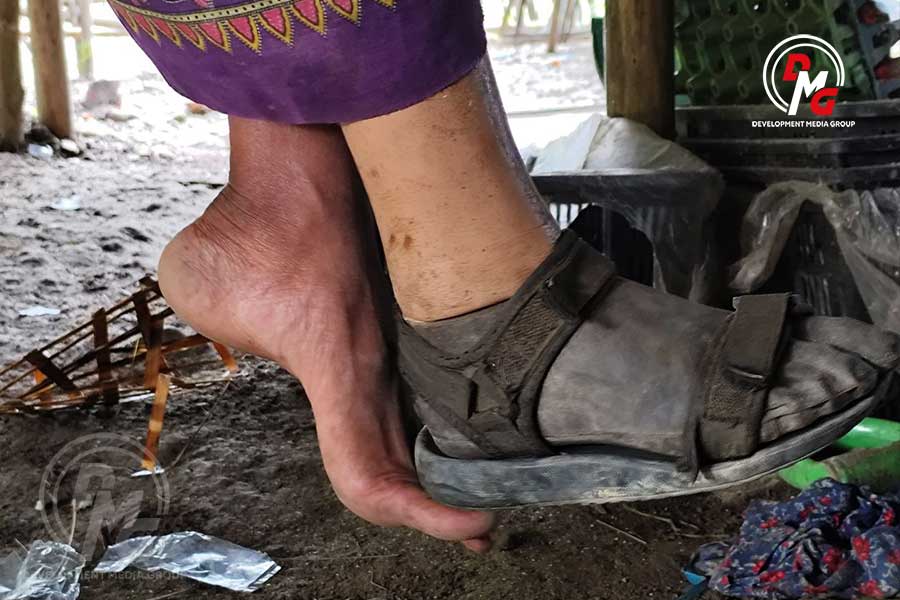
Airstrikes, artillery shelling, landmines and unexploded ordnance have caused serious injuries, including limb loss and hearing and vision impairments, the report said.
CAS highlighted an urgent need for prosthetic limbs, crutches, wheelchairs and rehabilitation services, warning that existing assistance remains insufficient.
Although the International Committee of the Red Cross (ICRC) and other humanitarian organisations provide rehabilitation support, insecurity, movement restrictions and limited access to conflict-affected communities continue to obstruct assistance.
The report also cited monitoring figures showing that landmines and explosive remnants of war killed 21 civilians and injured 81 others in Arakan during 2025.
Beyond physical injuries, displaced people with disabilities face discrimination in education, employment and access to healthcare. Women and girls with disabilities are particularly vulnerable to sexual violence and exploitation, CAS warned.
Restrictions imposed by Myanmar's military authorities, disrupted transport and communications, and continuing threats of airstrikes have further complicated humanitarian operations in conflict-affected areas.
The report also highlighted heightened risks during natural disasters, including floods, when people with mobility limitations may struggle to evacuate without appropriate assistance.
CAS warned that conflict-related disabilities are increasing while access to essential services remains severely constrained, leaving many survivors dependent on relatives and limited community support.
The organisation called for improved humanitarian access, expanded rehabilitation services, stronger protection against discrimination and violence, and dedicated policies addressing the needs of people with disabilities.
It urged authorities, humanitarian organisations and civil society groups to prioritise their safety, rights and access to essential assistance.

Top News
People with disabilities in Arakan face deepening humanitarian crisis, CAS warns
By Admin 21 Oct 2026
CPU/CPA says junta airstrikes deliberately target civilians in Paletwa
By Admin 21 Oct 2026
Junta nighttime airstrikes kill four civilians in Werathani
By Admin 21 Oct 2026
Two junta defectors urge conscripts to surrender to AA to save their lives
By Admin 21 Oct 2026
NGO, INGO staff relocate to Yangon as fighting nears Sittwe
By Admin 21 Oct 2026