

- Junta column heading toward Kyindwe suffers heavy casualties in resistance ambushes
- Junta replaces Arakan State security minister amid escalating battles near Sittwe
- Junta Y-12 bombing raid injures two women in Anjanapura
- Two junta defectors urge conscripts to surrender to AA to save their lives
- NGO, INGO staff relocate to Yangon as fighting nears Sittwe
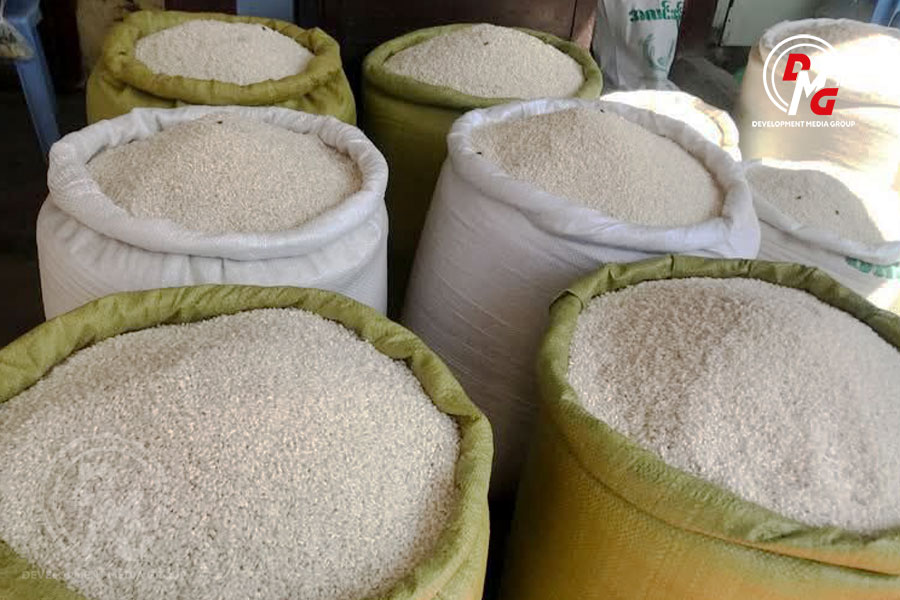
Rice prices surge across Arakan State
Rice prices have risen steadily across Arakan State in recent days, according to local residents and rice merchants.
24 Jul 2026
DMG Newsroom
24 July 2026, Kyauktaw
Rice prices have risen steadily across Arakan State in recent days, according to local residents and rice merchants.
Following severe flooding in early July, the price of a bag of rice has increased by more than K30,000 compared with previous prices.
A rice merchant in Kyauktaw said: "Now that farmers have resumed planting paddy, they are not keeping much stock to sell. Due to high agricultural input costs, farmers have reduced their cultivation acreage this year. For example, those who normally cultivated four acres of paddy are planting only one acre now. Since there are no external rice imports like before and everyone relies solely on monsoon paddy, prices will likely continue to climb."
During the third week of July, a bag of high-grade Paw Hsan Hmwe rice sold for between K100,000 and K120,000, while low-grade rice was priced at K65,000 per bag and Indian rice at K50,000 per bag.
Currently, a bag of high-grade Paw Hsan Hmwe costs between K130,000 and K150,000. Low-grade rice has risen to K75,000 per bag, while Indian rice now sells for K65,000 per bag.
Farmers attributed the sharp rise in rice prices to reduced paddy cultivation and soaring costs for agricultural inputs such as fertilizer, machinery maintenance, fuel, and labour.
A farmer from Mrauk-U Township said: "It is no longer easy because we use machinery instead of oxen for plowing and harvesting. When machines break down, repairs are costly, and rising fuel prices make everything harder. Furthermore, a bag of fertilizer that used to cost tens of thousands of kyats now costs more than K100,000. Labour costs have also skyrocketed. Since paddy prices do not provide the returns we expect, we only plant what we can afford and leave the rest of the fields fallow."
Continuous heavy rainfall triggered widespread flooding across more than 10 townships in Arakan State, causing extensive damage to paddy fields.
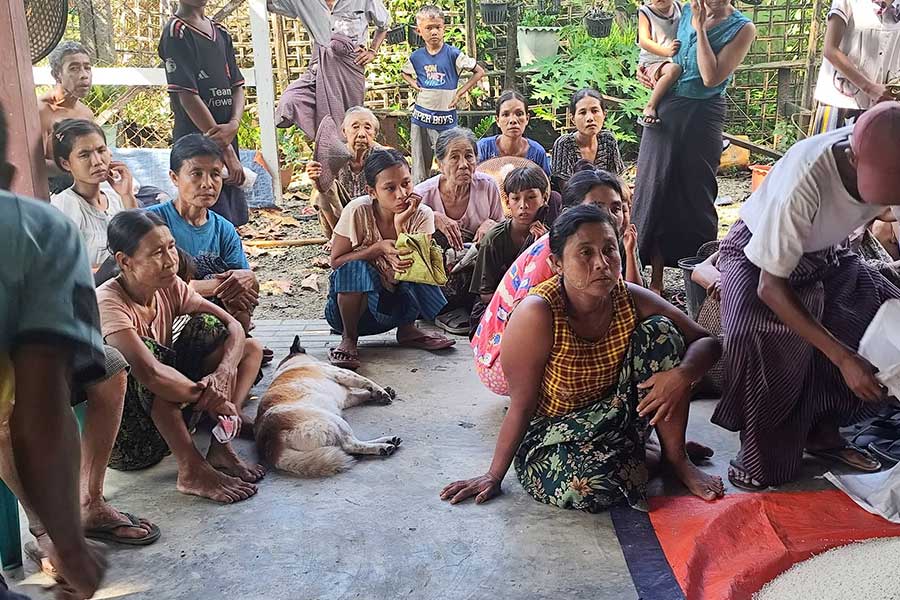
Local residents expressed concern that seasonal increases in rice prices will place an even greater burden on low-income families and internally displaced people.
An Arakanese woman said: "For those who cannot afford to buy rice by the bag and can only buy enough for a day or a week, expenses are much higher. Previously, we only had to worry about the cost of fish and vegetables, but now rising rice prices mean we also worry about our staple food. This situation will hit internally displaced people and daily wage earners the hardest."
The military regime has imposed land and water blockades on Arakan State, forcing the state to rely on difficult trade routes from India and mainland Myanmar for essential food supplies.
Among these routes, the regime continues to control the Saw route, the main overland trade corridor from mainland Myanmar, leaving people in Arakan State to depend largely on imports through India.
As a result, transportation difficulties, high freight costs, and rising commodity prices continue to create severe socio-economic hardships for local residents.

Top News
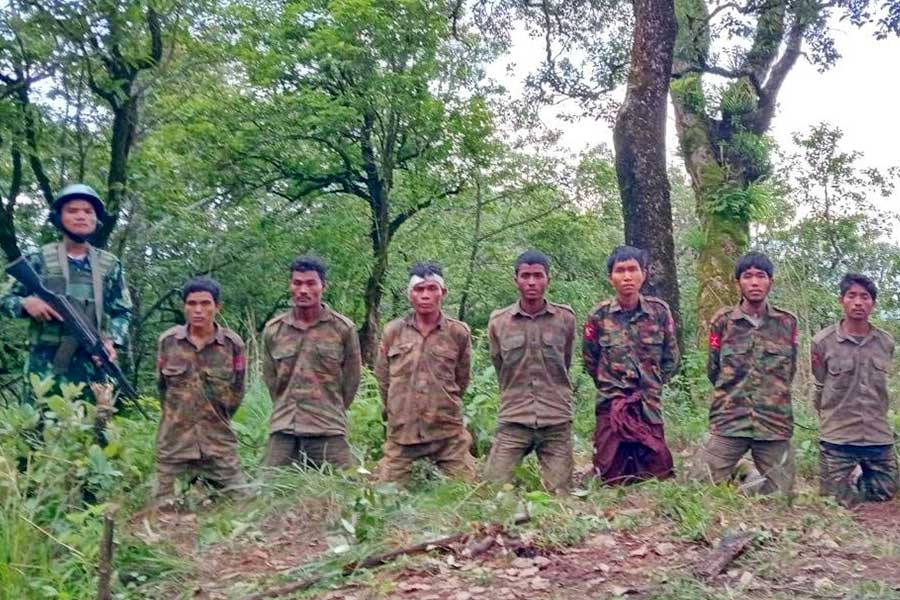
Junta column heading toward Kyindwe suffers heavy casualties in resistance ambushes
By Admin 22 Oct 2026
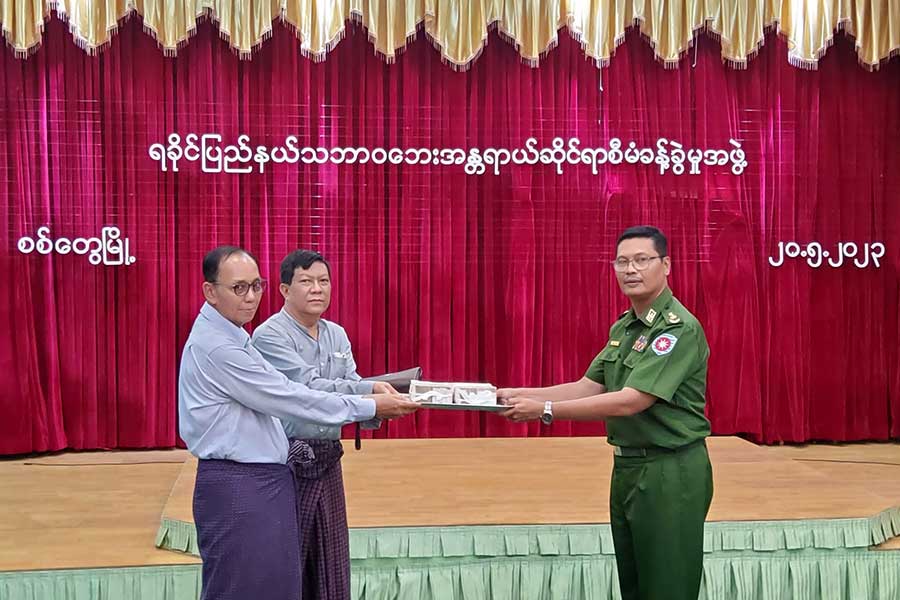
Junta replaces Arakan State security minister amid escalating battles near Sittwe
By Admin 22 Oct 2026
Junta Y-12 bombing raid injures two women in Anjanapura
By Admin 22 Oct 2026
People with disabilities in Arakan face deepening humanitarian crisis, CAS warns
By Admin 21 Oct 2026