
- Y-12 aircraft, drones circle over Sittwe as clashes intensify
- Panic grips Sittwe after deadly reported Y-12 airstrike
- At least six killed, 37 injured in reported Y-12 bombing of downtown Sittwe
- Junta column heading toward Kyindwe suffers heavy casualties in resistance ambushes
- Junta replaces Arakan State security minister amid escalating battles near Sittwe
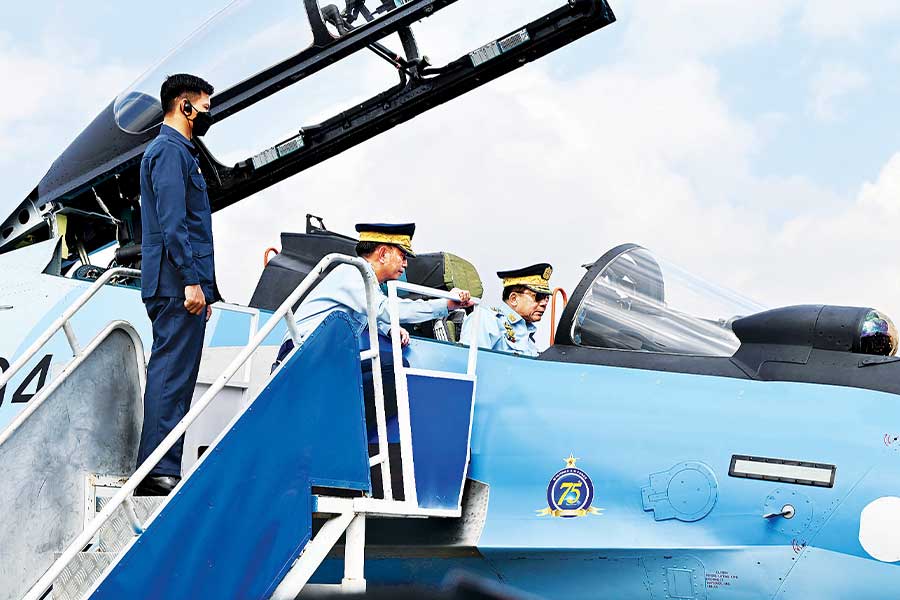
JFM monitoring impact of Iran crisis on Myanmar junta’s aviation fuel supply
Justice For Myanmar (JFM) says it is closely monitoring the potential impact of the ongoing conflict in the Middle East on the Myanmar military regime’s aviation fuel supply routes.
07 Mar 2026
DMG Newsroom
7 March 2026, Kyauktaw
Justice For Myanmar (JFM) says it is closely monitoring the potential impact of the ongoing conflict in the Middle East on the Myanmar military regime’s aviation fuel supply routes.
Ma Yadanar Maung, spokesperson for Justice for Myanmar, told DMG that the group is observing how heightened tensions in the Middle East could disrupt the junta’s access to aviation fuel.
“We are monitoring the possible repercussions of the Middle East tensions on the military junta’s ability to procure aviation fuel. This includes potential retaliatory targets by Iran against the United Arab Emirates (UAE), where several companies involved in shipping aviation fuel to Myanmar are based,” she said.
JFM said its monitoring extends beyond direct US and Israeli strikes on Iran to include the possibility of Iranian strikes on the UAE, which could affect companies facilitating fuel shipments to the Myanmar military.
The regime’s heavy reliance on Iran for aviation fuel was highlighted in a Reuters report on October 2, 2025, which said a vessel named “Reef” delivered more than 16,000 tonnes of fuel to Myanmar.
Transport records, satellite imagery, and data from the US-based intelligence firm Syn Max also indicate that between October 2024 and December 2025, the tankers “Reef” and “Noble” made nine deliveries from Iran to the junta, totaling about 175,000 tonnes of aviation fuel.
International reports have also suggested that the regime relies on Iran not only for fuel but also for urea, a key component used in ammunition production.
JFM said it is tracking which countries continue to sell fuel to the regime and identifying the companies involved in these transactions. The group added that the military and its suppliers are using various methods to bypass international sanctions to maintain a steady supply of fuel for airstrikes.
The advocacy group said that if banking systems in Myanmar’s neighboring countries that currently permit fuel-related transactions stopped facilitating these deals, it could effectively cut off the junta’s access to international markets.
“We call on governments to urgently sever the military regime’s financial sources and impose targeted sanctions across the entire supply chain. This must include the vessels, shipowners, managers, fuel terminals, and the Myanma Petrochemical Enterprise,” Ma Yadanar Maung added.
JFM is also urging other countries to follow Canada’s lead in banning the export, sale and transport of aviation fuel to Myanmar.
International observers say that while the conflict involving Iran could temporarily disrupt certain supply lines, the regime may seek alternative sources.
“The lack of fuel from Iran will pose some constraints for the regime. While airstrikes might drop for a period, air-raid awareness remains essential. As long as the regime has funds, they will find a way to source fuel elsewhere; global politics is driven by interests,” said a youth studying international relations in Thailand.
Human rights activists continue to call for international action and a comprehensive arms embargo on the military regime, citing the rising toll of civilian casualties from nationwide airstrikes.
Activists say that as fighting between the regime and revolutionary forces continues, the military remains heavily reliant on airpower to attack civilian areas.

Top News
Y-12 aircraft, drones circle over Sittwe as clashes intensify
By Admin 23 Oct 2026
Panic grips Sittwe after deadly reported Y-12 airstrike
By Admin 23 Oct 2026
At least six killed, 37 injured in reported Y-12 bombing of downtown Sittwe
By Admin 23 Oct 2026
Fighting continues on Ngapyi Island as junta troops remain trapped
By Admin 22 Oct 2026

Junta allows Aung San Suu Kyi to speak with son for first time in over five years
By Admin 22 Oct 2026