

Typhoid cases rise in Arakan Army-held areas amid water and hygiene concerns
Typhoid fever is becoming increasingly prevalent in areas controlled by the Arakan Army in Arakan State, with infection rates on the rise, according to members of the healthcare community.
23 Apr 2026
DMG Newsroom
22 April 2026, Mrauk-U
Typhoid fever is becoming increasingly prevalent in areas controlled by the Arakan Army in Arakan State, with infection rates on the rise, according to members of the healthcare community.
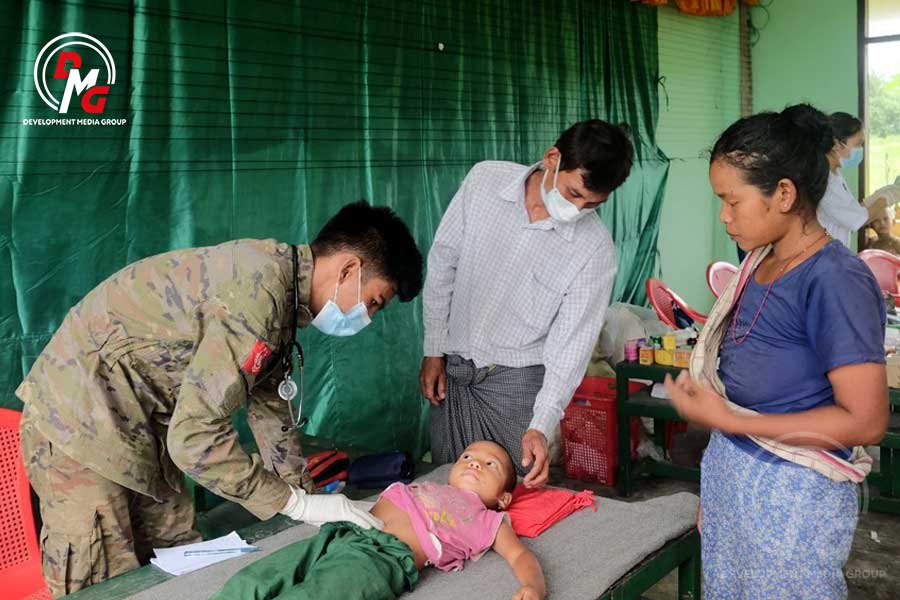
A healthcare worker said a large number of people seeking treatment at hospitals and clinics in recent days have been diagnosed with typhoid fever.
“During this seasonal transition, many patients at the clinic are suffering from typhoid. Around 80 out of 100 patients are affected. It occurs among both children and adults and is mainly caused by contaminated food and drinking water,” he said.
Medical experts say typhoid fever is commonly linked to extreme weather conditions combined with the consumption of unsafe food and water.
Symptoms include fever with a gradually rising temperature, headache, weakness, fatigue, body aches, sweating, coughing, loss of appetite, weight loss, abdominal pain, diarrhea or constipation, rashes, and severe abdominal bloating.
The healthcare community warned that typhoid fever is a communicable disease, with symptoms typically appearing one to three weeks after infection. Transmission rates are higher in crowded areas such as internally displaced person camps.
“Typhoid fever is mainly caused by unsafe water. Therefore, the Arakan Army administration should work closely with local organizations to raise awareness about water purification and safe usage in IDP camps. Only then can the spread of typhoid be reduced,” said Ko Kyaw Tun Win, chairman of the Ponnagyun Youths Association.
Health workers advise the public to consume clean water and hygienic food, as the disease spreads through contaminated sources.
Local residents said that due to water shortages during the summer, many people are forced to use unsafe water, and measures are needed to ensure the cleanliness of wells and ponds as part of disease prevention efforts.
“Now that summer has arrived, chlorine should be added to ponds and wells in every village. Since this disease is linked to poor hygiene, proper latrine construction should be enforced to maintain cleanliness. Dumping waste into creeks and streams must be prevented as much as possible,” said a resident of Mrauk-U.
Residents in Arakan State are facing multiple challenges in accessing healthcare, including shortages of medicine, as the state remains under blockade by the regime.
Social aid workers have urged the public to prioritize preventive measures, warning that access to treatment remains difficult if illness occurs.

Top News
.jpg)
Junta aircraft drop over 20 bombs in Kyauktaw
By Admin 20 Oct 2026
18 journalists remain detained in Myanmar, Athan reports
By Admin 20 Oct 2026
Junta airstrike destroys homes in Kyeintali Town
By Admin 20 Oct 2026
Wild elephants destroy farmland in northern Maungdaw
By Admin 20 Oct 2026
Clashes intensify at three locations near Sittwe ROC
By Admin 19 Oct 2026