

- Arakan has Myanmar’s highest multidimensional poverty, 1.66 million affected: UNDP
- Arakan records most armed incidents, second-highest civilian casualty toll in Myanmar: NLTA
- Junta fails to regain territory despite major Arakan offensive: ISP-Myanmar
- Two Myebon fishermen missing after junta troops throw fishermen into sea
- Clashes intensify in Sittwe as junta naval forces renew assault on AA-held island
High hepatitis cases hit children in Arakan State
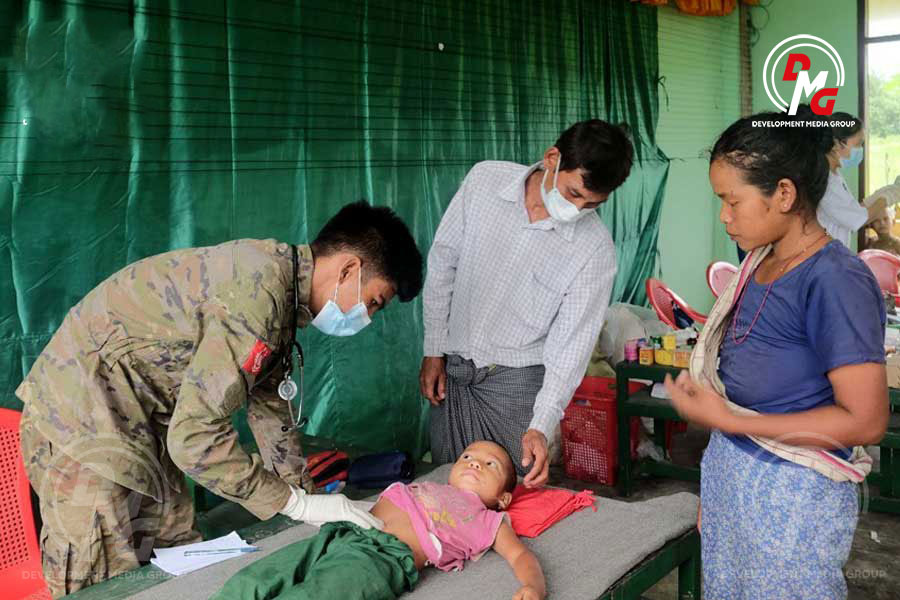
Children in Kyauktaw, Mrauk-U, and Minbya Townships, areas under the control of the Arakan Army, are facing a rising outbreak of hepatitis, local residents and healthcare sources report.
23 Feb 2026
DMG Newsroom
23 February 2026, Kyauktaw
Children in Kyauktaw, Mrauk-U, and Minbya Townships, areas under the control of the Arakan Army, are facing a rising outbreak of hepatitis, local residents and healthcare sources report.
The outbreak reportedly began in early February, with children under 15 most affected, according to a source close to the health community.
"Roughly five out of ten children are contracting it. I haven't heard of cases requiring hospitalization yet, but they have to visit clinics where doctors provide the necessary medication," the source said.
Hepatitis is a viral infection typically transmitted through contaminated food and water. Health professionals say symptoms include fever, fatigue, loss of appetite, nausea, vomiting, abdominal pain, jaundice (yellowing of the eyes), dark urine, and joint pain. Severe cases can be life-threatening.
"My niece has been feverish for about three days. At first, we thought it was just a common fever, but after seeing a doctor, we found out it was hepatitis. The doctor advised her to limit certain foods and said she would gradually recover," said a local resident in Kyauktaw.
The Ministry of Health recommends preventive measures including maintaining good personal hygiene, frequent handwashing, avoiding fly-contaminated food, and drinking water that is boiled, purified with tablets, or approved by the Food and Drug Administration.
Healthcare professionals advise that infected children should rest, maintain a nutritious diet, stay hydrated, and take prescribed medication regularly to ensure full recovery.

Top News
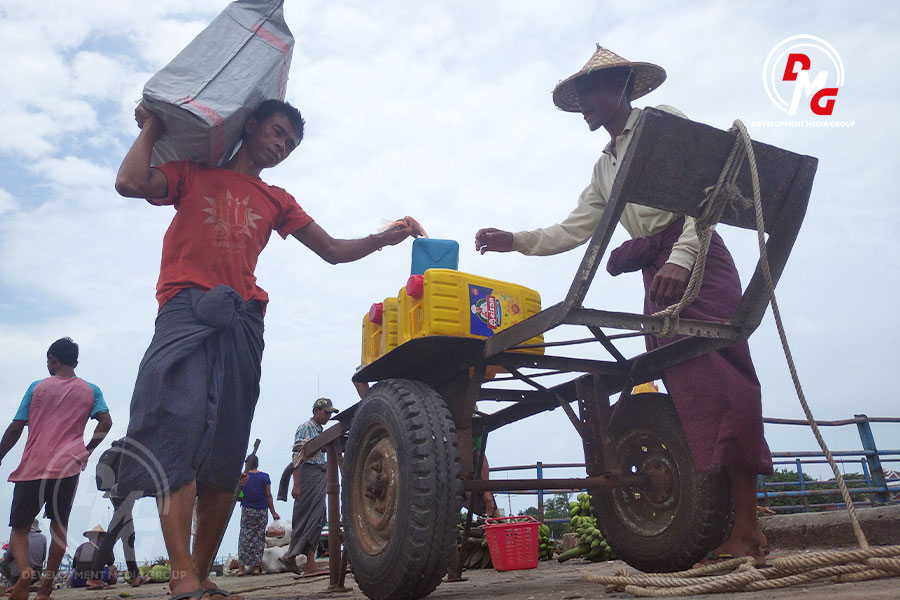
Arakan has Myanmar’s highest multidimensional poverty, 1.66 million affected: UNDP
By Admin 10 Oct 2026
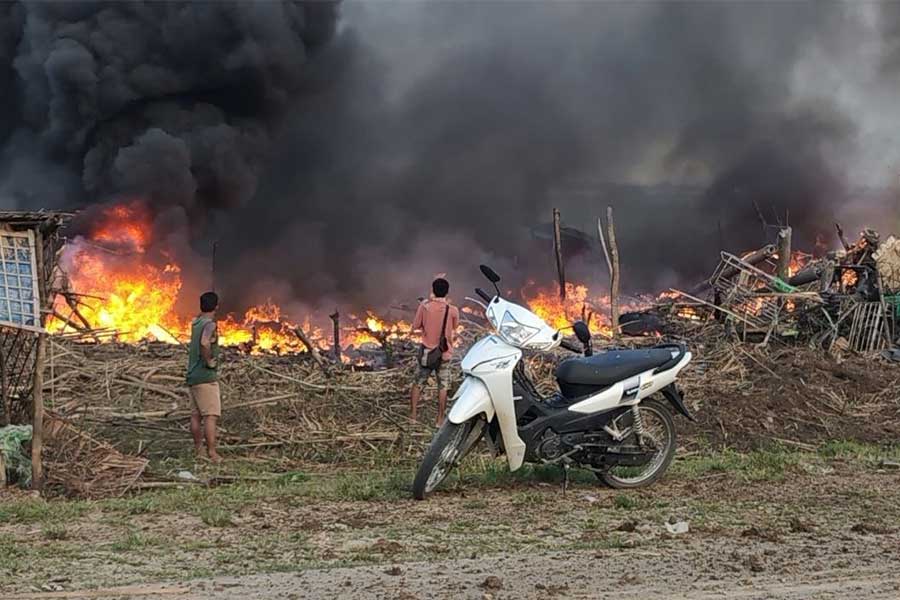

Junta fails to regain territory despite major Arakan offensive: ISP-Myanmar
By Admin 10 Oct 2026
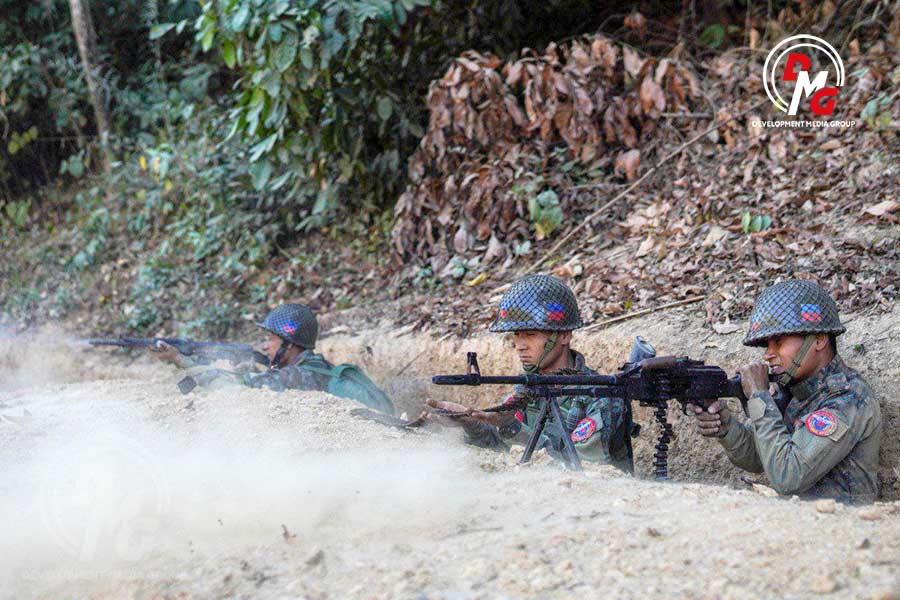
Clashes intensify near Taung Maw Oo naval station as Arakan Army launches offensive
By Admin 09 Oct 2026

Two Myebon fishermen missing after junta troops throw fishermen into sea
By Admin 09 Oct 2026