
- Man killed, wife seriously injured in Mrauk-U crash as driver flees
- Min Aung Hlaing accuses EAOs, PDFs of destroying bridges despite junta attacks
- Four killed, five injured in two days of junta airstrikes in Thandwe
- Three Years of the Arakan Offensive: Military Gains and Governance Challenges
- Junta bridge attacks in Wunbaik Mangrove Forest disrupt local livelihoods
Powerful El Niño Could Deepen Water Crisis in War-Torn Arakan
A powerful El Niño climate event threatens to worsen drinking-water shortages and food insecurity in western Myanmar's Arakan State, where years of armed conflict and mass displacement have left communities increasingly vulnerable to extreme weather.
18 Nov 2026
DMG Special Analysis
A powerful El Niño climate event threatens to worsen drinking-water shortages and food insecurity in western Myanmar's Arakan State, where years of armed conflict and mass displacement have left communities increasingly vulnerable to extreme weather.
For internally displaced people, the approaching dry season could be particularly dangerous. Many families depend on shallow wells, seasonal ponds and limited humanitarian assistance for drinking water, cooking and sanitation.
Higher temperatures and prolonged dry conditions could further deplete these supplies, increasing the risks of dehydration, disease and deteriorating living conditions.
The threat reflects a convergence of climate risks and an existing humanitarian emergency, compounded by damaged infrastructure, disrupted livelihoods and restricted access to essential services.
El Niño Raises Concerns
The World Meteorological Organization (WMO) warned in September that El Niño was expected to intensify into a very strong event before the end of 2026, with potential impacts extending into early 2027.
Its October outlook projected further strengthening, with ocean temperatures associated with El Niño expected to peak around December.
El Niño is a natural climate phenomenon involving unusually warm ocean temperatures in the central and eastern tropical Pacific. Strong events can increase the likelihood of hotter and drier conditions in parts of Southeast Asia.
However, the severity of its impact varies by region and season. A powerful El Niño does not necessarily guarantee severe drought in Arakan.
The concern is that communities already struggling with water scarcity may be poorly equipped to withstand another unusually hot or dry period.
Displaced Families Face Severe Water Shortages
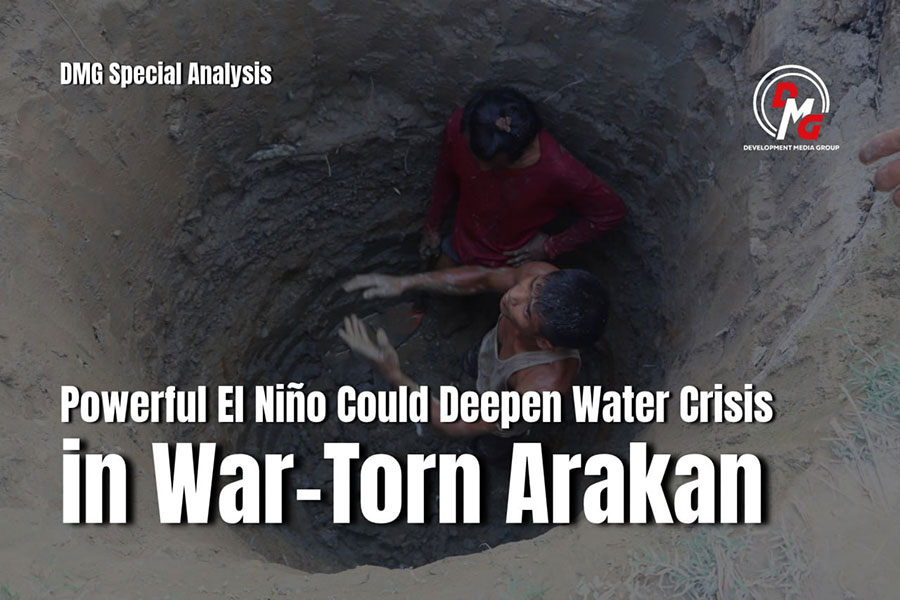
In Ponnagyun Township, where more than 20,000 displaced people were sheltering in March, families struggled to obtain enough water for drinking, cooking and personal hygiene.
Some dug shallow pits to collect water, while others used stagnant water from roadside ditches for daily needs.
In April, DMG reported that wells and ponds in the township were drying up, forcing residents to ration water and rely on previously abandoned sources.
In Kyaukphyu Township, displaced families reported travelling approximately two miles to reach functioning wells and ponds.
More than 500 people were sheltering at one displacement site after fleeing artillery attacks and airstrikes. Residents warned that their remaining water supplies could last only a day or two.
Similar shortages have affected displaced communities in Rathedaung and other townships.
These conditions demonstrate that water scarcity is already a serious humanitarian problem, even before the anticipated peak of El Niño.
Public Health and Food Security at Risk
Limited access to safe drinking water increases the risk of diarrhoeal diseases, dehydration, skin infections and poor sanitation.
Children, pregnant women, older people and those with existing medical conditions are particularly vulnerable.
In May 2024, DMG reported that at least three displaced people had died after suffering from diarrhoea amid severe water shortages and limited access to treatment.
The United Nations Office for the Coordination of Humanitarian Affairs (OCHA) also reported in March 2025 that approximately 60 villages in Ponnagyun Township were experiencing serious drinking-water shortages.
Healthcare shortages, damaged transport routes and restricted humanitarian access further increase the risks for displaced communities.
Agriculture is also under growing pressure.
On November 11, DMG reported that high temperatures and inadequate water supplies had damaged paddy fields in Kyauktaw, Mrauk-U and Anjanapura townships.
Farmers said some rice plants had withered before producing grain, while others had developed empty grain heads.
Several farmers had already suffered losses from flooding during the previous rainy season and were forced to replant, increasing production costs.
Further crop losses could undermine household incomes, reduce local food supplies and worsen food insecurity.
For displaced families who have lost farmland and employment, rising food costs would create additional hardship.
Conflict Magnifies Climate Vulnerability
Arakan's vulnerability to extreme weather has been intensified by fighting between Myanmar's military and the Arakan Army (AA), which controls most of the state.
Many displacement camps lack reliable wells, adequate water storage, sanitation facilities and functioning healthcare services.
Humanitarian organisations face difficulties transporting drinking water, purification materials, medicines and equipment because of insecurity, damaged infrastructure and restrictions on access.
Arakan is also exposed to overlapping climate hazards.
Flooding during the rainy season can damage water infrastructure, contaminate freshwater sources and destroy crops. Yet communities may still face severe shortages when the dry season arrives.
Without adequate systems to collect, store and protect freshwater, seasonal rainfall cannot guarantee reliable drinking-water supplies throughout the year.
For families repeatedly displaced by conflict, each new environmental shock further weakens their ability to recover.
ULA/AA Faces a Growing Governance Challenge
The United League of Arakan/Arakan Army (ULA/AA), which administers most of Arakan State, faces increasing responsibility for disaster preparedness and essential public services.
Although its administration has established civilian departments, responding to potentially severe water shortages will require coordinated planning, technical expertise and additional resources.
Immediate priorities should include identifying the most vulnerable displacement camps, repairing wells and reservoirs, improving safe water storage and preparing emergency distribution arrangements.
Local humanitarian organisations and community groups should play a central role, particularly in remote areas where international assistance remains limited.
Public awareness is equally important.
DMG's October reporting showed that some farmers lacked sufficient information about El Niño and its potential consequences.
Accessible early warnings and practical guidance could help communities prepare for water shortages and protect agricultural livelihoods.
Humanitarian assistance must reach all affected populations, including Arakanese, Rohingya and other ethnic and religious communities, without discrimination.
Myanmar's military authorities must also respect international humanitarian law, protect civilian infrastructure and facilitate humanitarian access.
International humanitarian agencies and donors should prioritise safe drinking water, sanitation, healthcare and climate preparedness before conditions deteriorate.
Preparing Before the Crisis Deepens
Arakan cannot prevent El Niño, but timely action could reduce the consequences of water scarcity.
Emergency water supplies, repairs to damaged reservoirs, water purification materials and improved sanitation could help protect displaced communities during the coming dry season.
Longer-term investment in rainwater harvesting, sustainable groundwater management, watershed protection and climate-resilient agriculture would strengthen the region's resilience.
Reliable monitoring of rainfall, water levels, water quality and disease outbreaks would also help identify communities facing the greatest risks.
For displaced families, access to safe drinking water is not merely an environmental concern. It is essential to survival, health and human dignity.
Although the severity of El Niño's impact on Arakan remains uncertain, the existing water crisis is already well documented. Without early preparation and coordinated humanitarian assistance, another period of extreme heat and water scarcity could push some of the region's most vulnerable communities deeper into crisis.

Opinion
India's Kaladan Project and the Need to Engage the Arakan Army
By Admin 14 Nov 2026
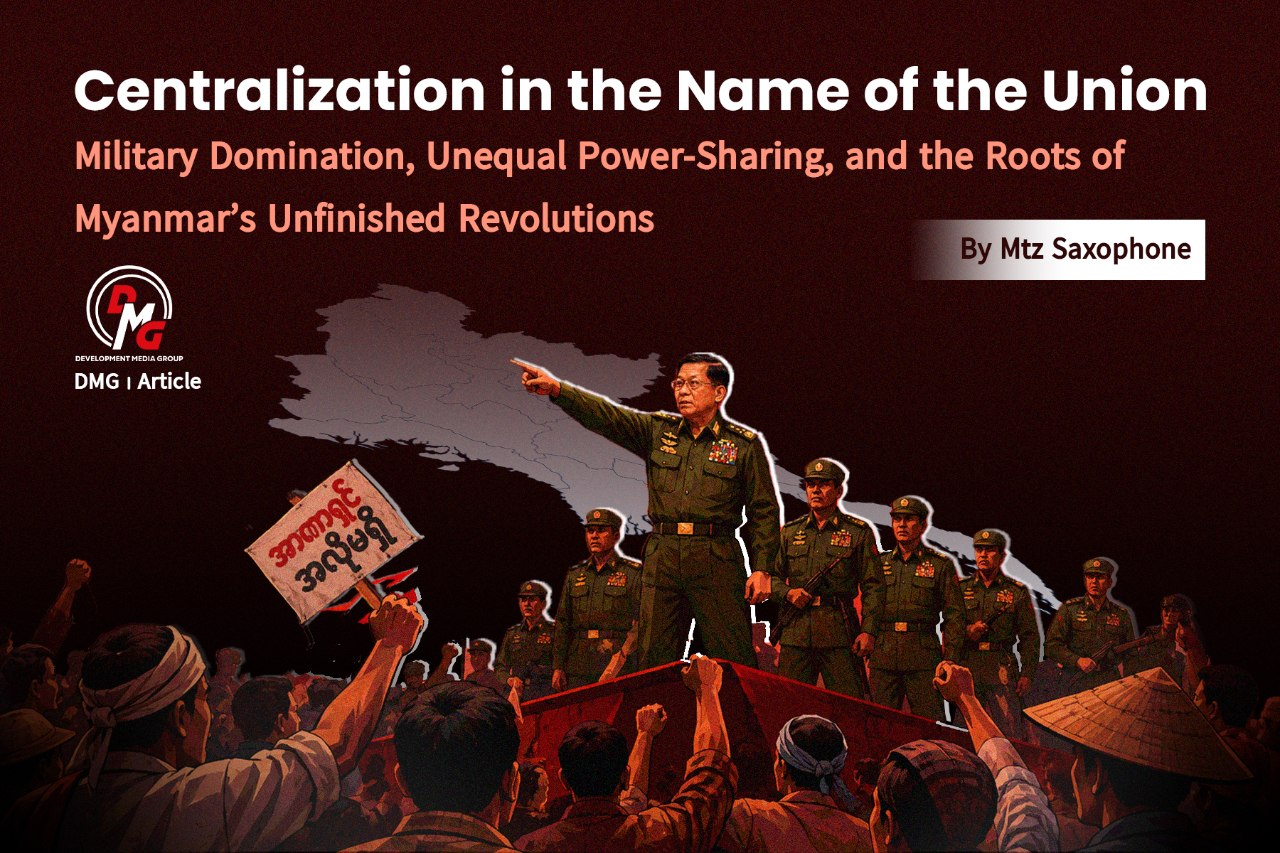

Diwali: Illuminating the Path Towards a More Inclusive Society
By Admin 09 Nov 2026
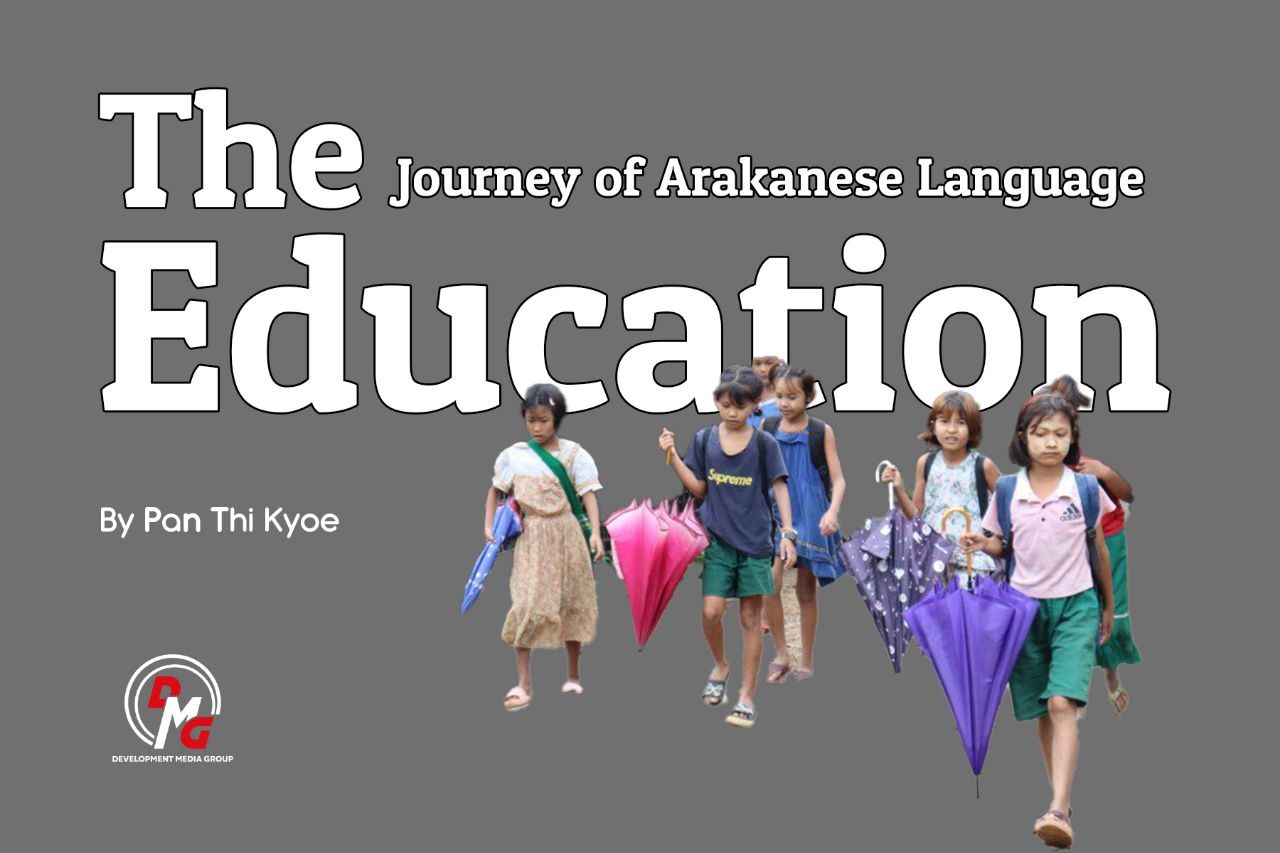
The Journey of Arakanese Language Education
By Admin 03 Nov 2026
Can the UN Restore Trust in a Fractured World?
By Admin 23 Oct 2026
Arakan Amid the Storm: From Survival to Rebuilding a People
By Admin 22 Oct 2026
POLITICS

BUSINESS
Industry to manufacture finished goods from coconut starting in early 2020
By Aung Kaung Zaw 20 Nov 2019