


- Regime deploys nearly 100 police personnel to Sittwe amid intense fighting
- Junta airstrikes on Kyeintali Town, nearby village injure two civilians
- AA clashes with ARSA in northern Maungdaw
- Arakan records most armed incidents, civilian-targeted airstrikes in Myanmar: Report
- Nay Pyi Taw talks between junta, MNDAA halt over special region demand
Charcoal sales surge in northern Arakan after AA firewood ban
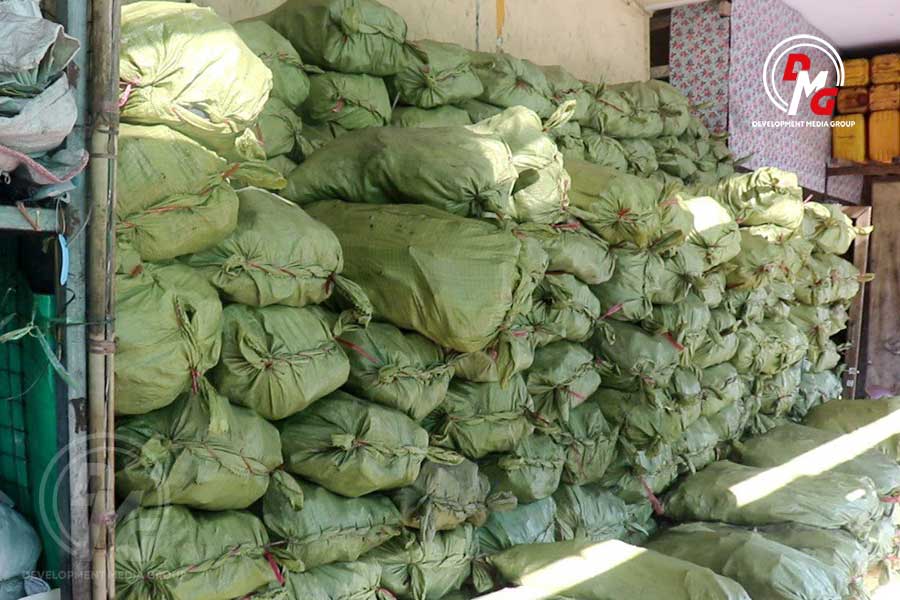
Demand for charcoal has surged and prices have risen following a ban on firewood collection in areas controlled by the Arakan Army (AA), according to local charcoal sellers.
12 Feb 2026
DMG Newsroom
12 February 2026, Kyauktaw
Demand for charcoal has surged and prices have risen following a ban on firewood collection in areas controlled by the Arakan Army (AA), according to local charcoal sellers.
The restriction on cutting firewood for fuel applies to Mrauk-U, Kyauktaw and Ponnagyun townships. As a result, residents are increasingly relying on charcoal to meet their cooking and energy needs.
Charcoal produced in Kyaukphyu and Ann Townships has become the primary fuel source for northern Arakan. In Kyauktaw alone, at least 6,000 bags of charcoal are arriving daily to meet demand.
“Since firewood collection is restricted, we have to buy charcoal coming from the southern part of the state. The price is not cheap, but we have no choice because there is no electricity,” a charcoal trader in Kyauktaw said. “Thousands of bags arrive daily by cargo boat, and they sell out almost immediately.”
The current market price for a bag of charcoal ranges from K14,000 to K17,000.
Arakan State has faced power outages for more than two years due to ongoing conflict, leaving residents largely dependent on firewood and charcoal for cooking.
Citing the need to prevent deforestation, the Arakan Army began restricting firewood collection in several northern Arakan townships in January, creating challenges for residents struggling to secure fuel.
“Preserving forests is a good initiative, but authorities must consider how people will cook their meals,” an environmental activist said. “By banning it in northern Arakan, there is a risk that forests in southern Arakan will face depletion. This is worrying in the long term.”
Critics say that while the United League of Arakan (ULA) has issued prohibitions aimed at curbing deforestation, it should also implement forest management policies that promote sustainable cultivation and provide alternative fuel options.
“The United League of Arakan should develop systems to provide affordable alternative fuels for the convenience of the people,” said a woman working in a ULA department. “If only firewood collection is banned, charcoal prices will soar and the people will suffer. There should also be efforts to establish systematic firewood plantations.”
While the Arakan Army continues to expand its administrative and judicial mechanisms in areas under its control, observers say policies should be reviewed to better address the hardships faced by civilians.
Although the firewood ban is intended to protect forests, it poses long-term challenges for fuel security in the state.

Top News
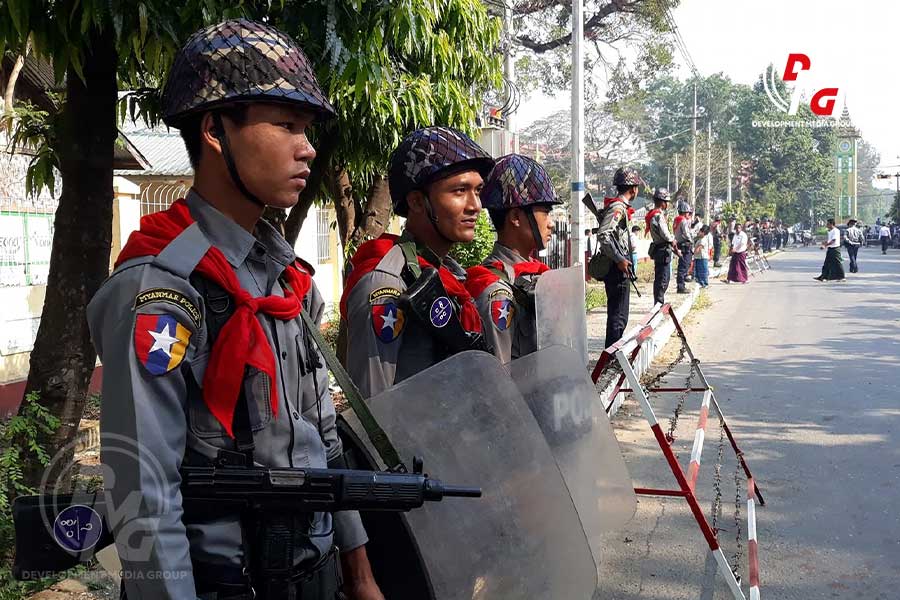
Regime deploys nearly 100 police personnel to Sittwe amid intense fighting
By Admin 26 Sep 2026
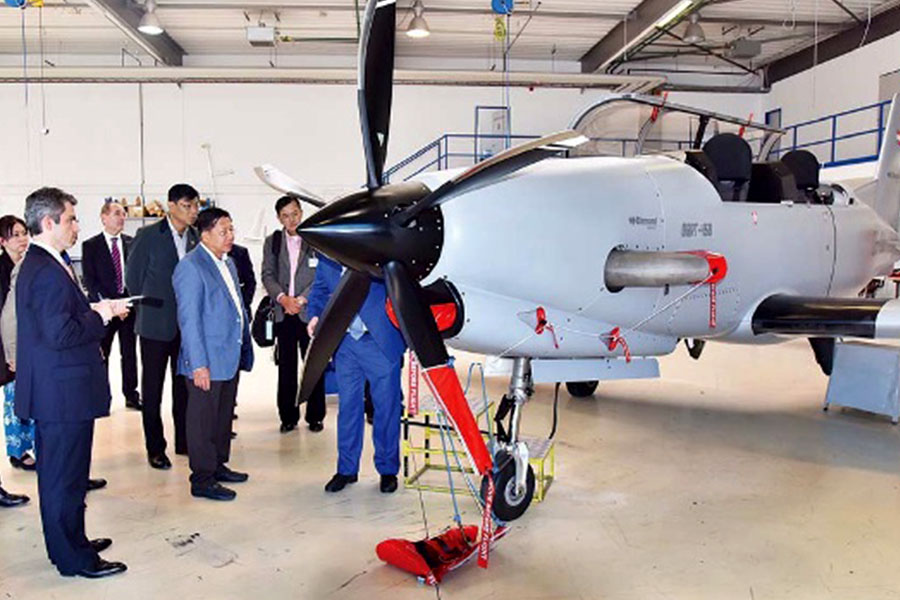
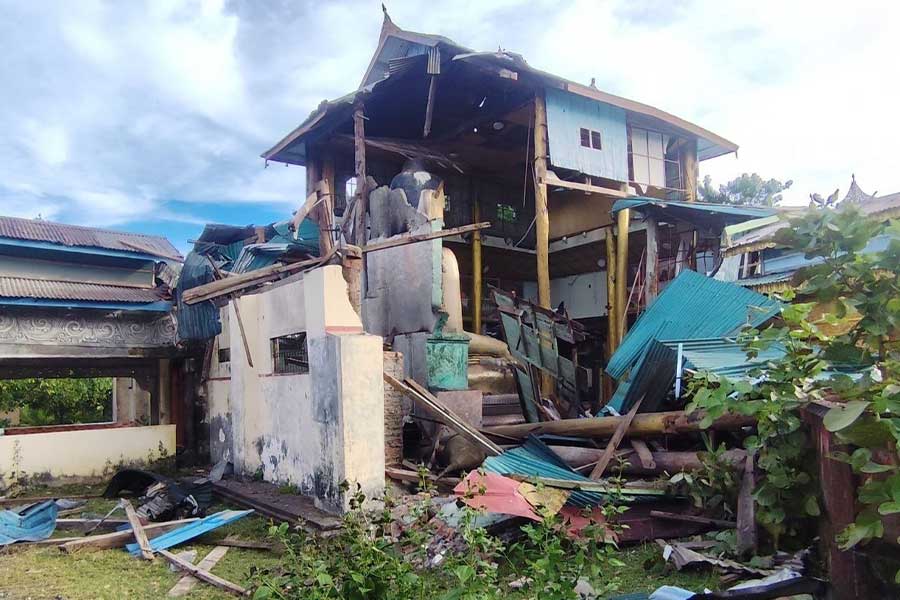
Junta airstrikes on Kyeintali Town, nearby village injure two civilians
By Admin 26 Sep 2026
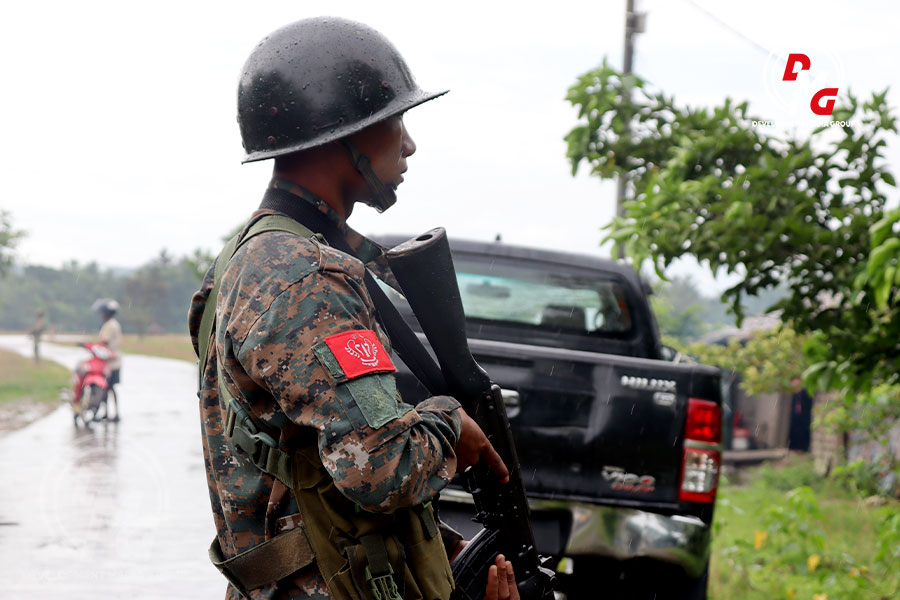
AA clashes with ARSA in northern Maungdaw
By Admin 26 Sep 2026
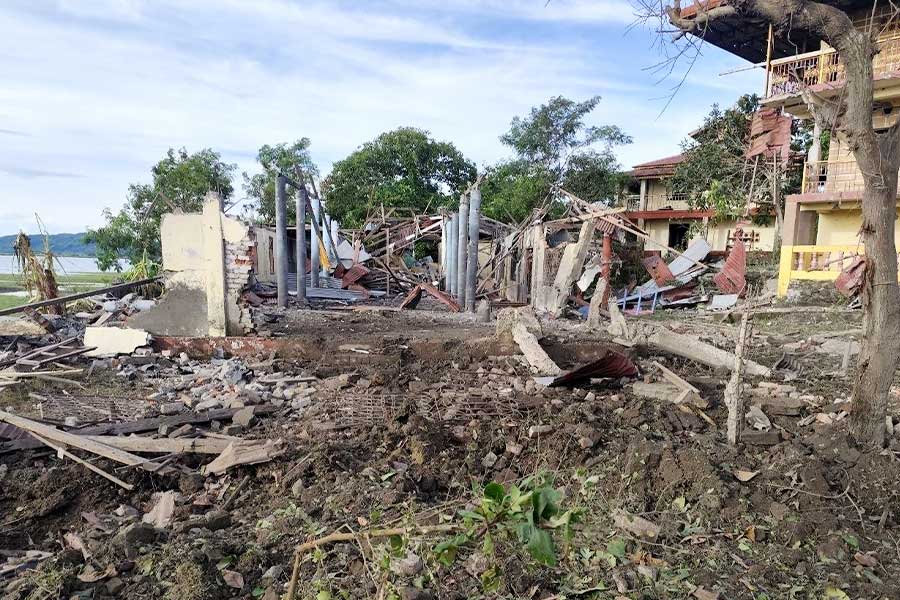
Arakan records most armed incidents, civilian-targeted airstrikes in Myanmar: Report
By Admin 26 Sep 2026





.jpg)