
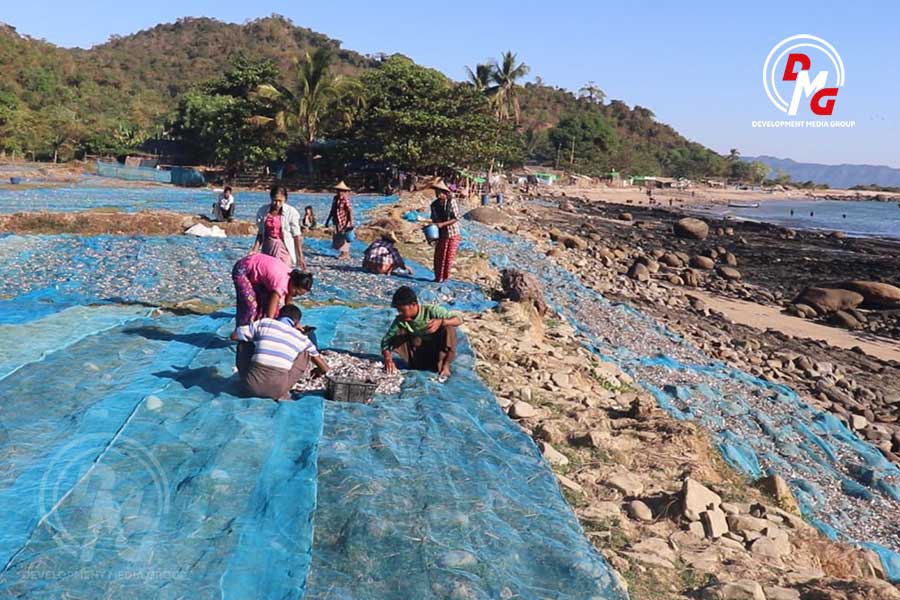
- Myanmar Navy threats leave Arakan fishing industry on the brink of collapse
- ULA pledges greater support for ethnic communities in Arakan
- Junta sends reinforcements to fiercely contested Sittwe-Ponnagyun front
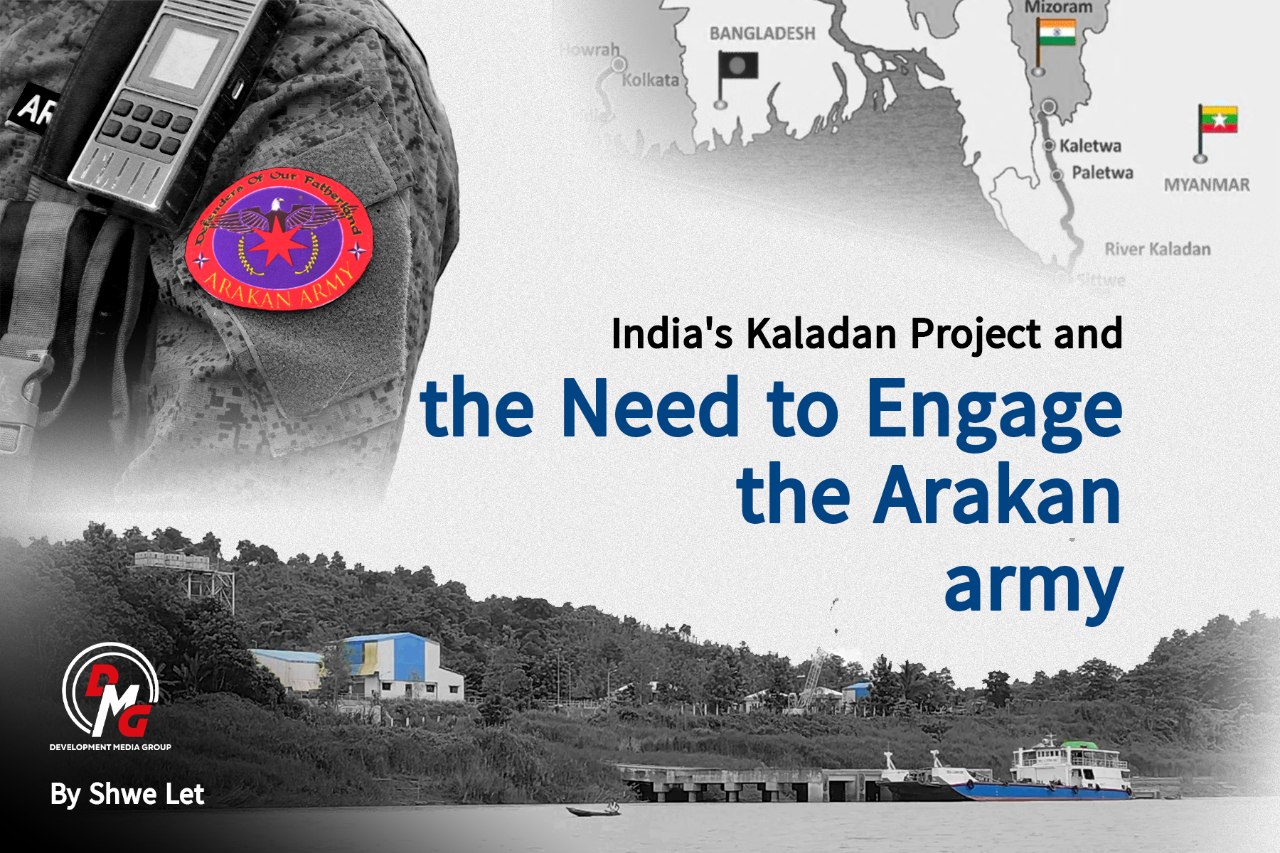
- India's Kaladan project faces uncertain future amid Arakan conflict: CAS
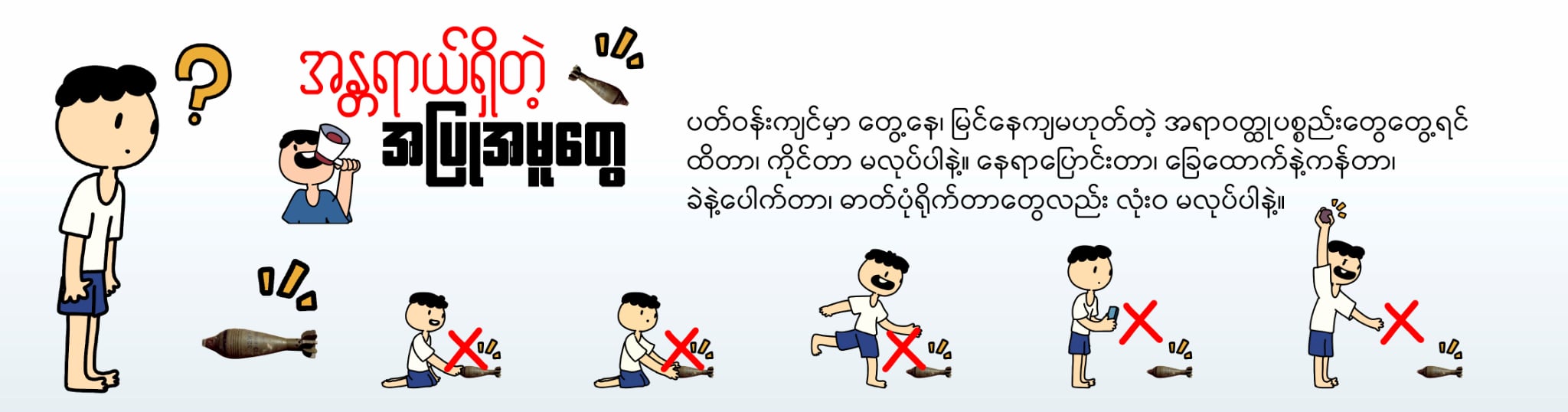
- Myanmar records more than five landmine, ERW casualties daily
ULA pledges greater support for ethnic communities in Arakan
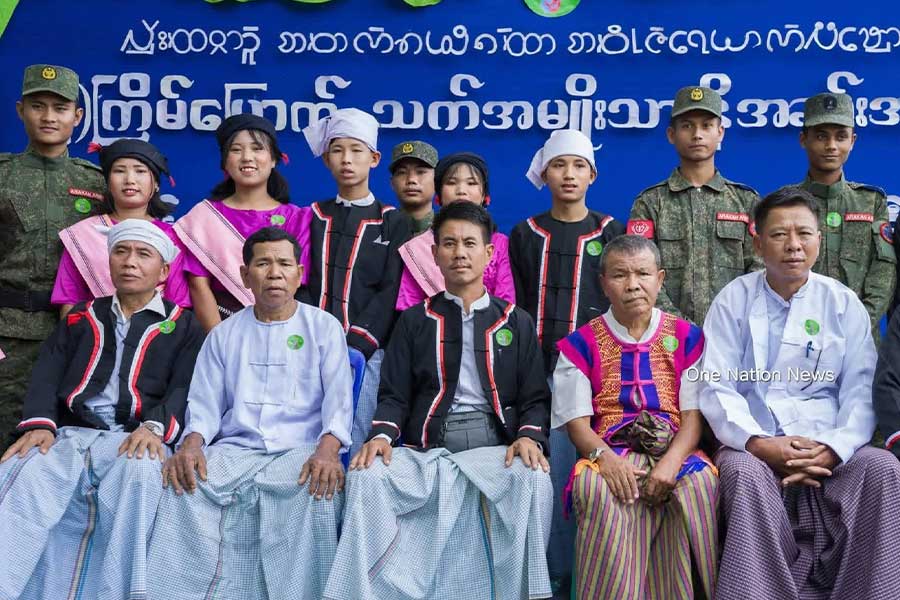
The United League of Arakan (ULA) has pledged to make every effort to address the social needs of ethnic groups living in areas controlled by the Arakan Army (AA), including supporting the preservation of their traditional histories, literature, cultures and languages.
26 Nov 2026
DMG Newsroom
26 November 2026, Mrauk-U
The United League of Arakan (ULA) has pledged to make every effort to address the social needs of ethnic groups living in areas controlled by the Arakan Army (AA), including supporting the preservation of their traditional histories, literature, cultures and languages.
Daw Hla Mya Khaing, an official from the ULA Central Office, said collective efforts were needed to encourage broad public participation in building social harmony in Arakan State. She also stressed that building trust was essential to maintaining peace, stability and the rule of law, and to creating a dignified society based on human dignity without discrimination on the grounds of race or religion.
"Arakan is a diverse state inhabited by various ethnic groups with different religions, ethnicities and traditions. Regional development remains slow because roads connecting districts, townships, towns and villages across Arakan State are in very poor condition. In particular, ethnic groups living in remote mountainous areas face many difficulties. The Arakan People's Revolutionary Government (APRG) will do its utmost to support their traditional histories, literature, cultures and languages," Daw Hla Mya Khaing said.
The ULA Central Office official made the remarks during an interview with Arakan Public Voice (APV) on November 21.
She added that the ULA was implementing its policies in accordance with the "Way of Rakhita" and aimed to encourage all residents of Arakan to work together and fulfill their respective roles in nation-building.
Some members of ethnic communities in Arakan State said they welcomed efforts by the ULA and the APRG to support ethnic groups.
However, Chakma youths also said their communities should be allowed to take the lead in preserving and promoting their own traditional cultures, with support and assistance provided where needed.
A member of the Chakma Indigenous Youth Association said: "Among the Chakma people, we see stronger participation than before. On the other hand, misunderstandings also arise due to shortcomings in the actions of some departmental staff. Mainly, we want our people to be represented in every department in Arakan State. Rather than serving only in the armed wing, we want them to be directly appointed to other departments such as administration and the judiciary."
Local residents also emphasized the need for mutual appreciation and recognition of the diverse traditional cultures and customs of ethnic communities, particularly those living in remote areas.
A Khami female education worker living in Arakan State said: "The ULA should have taken these steps for remote areas a long time ago. Arakan State has many ethnic groups, and each group has its own distinct traditional cultures and customs. Recently, some of our Khami people have also started working in ULA departments. The main requirement is to mutually value and recognize the unique identity of each ethnic group."
The APRG, the administrative body established by the ULA, is currently operating through departmental structures extending from the central level to district, township, circuit and village levels to deliver public services to residents in areas under its control.
The ULA serves as the vanguard of nation-building, while the government adheres to and implements the policies, laws, rules and regulations laid down by the party.
Arakan State is home to diverse ethnic and religious communities, including Arakanese, Chakma, Mro, Khami, Maramagyi, Kaman and Thet communities, as well as Muslims and Chin people.
Following the Arakan Army's offensives to seize towns and consolidate territorial control across Arakan State, the ULA has increasingly undertaken initiatives to promote social harmony among ethnic groups.

Top News
Myanmar Navy threats leave Arakan fishing industry on the brink of collapse
By Admin 26 Nov 2026
ULA pledges greater support for ethnic communities in Arakan
By Admin 26 Nov 2026
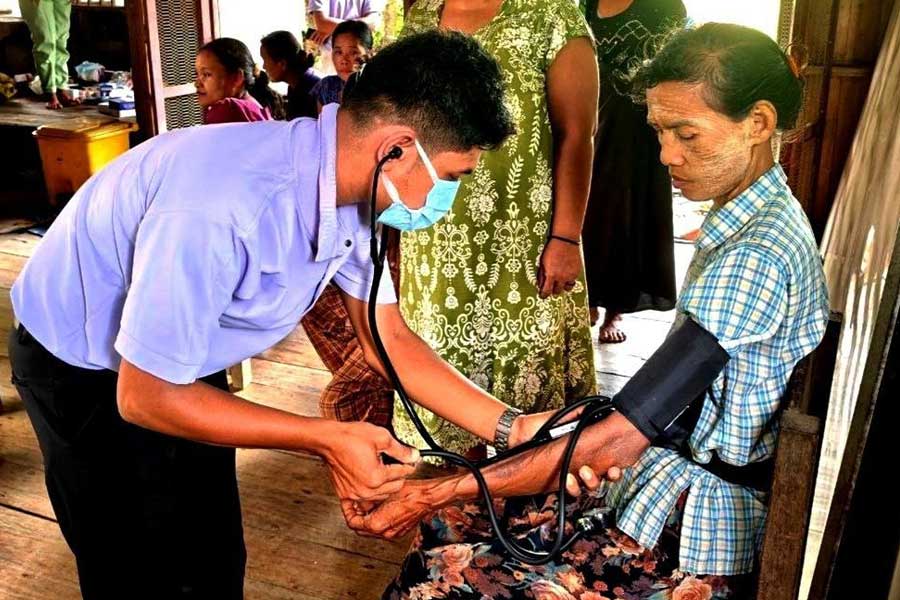
ULA health department plans cholera vaccination campaign in seven townships
By Admin 25 Nov 2026
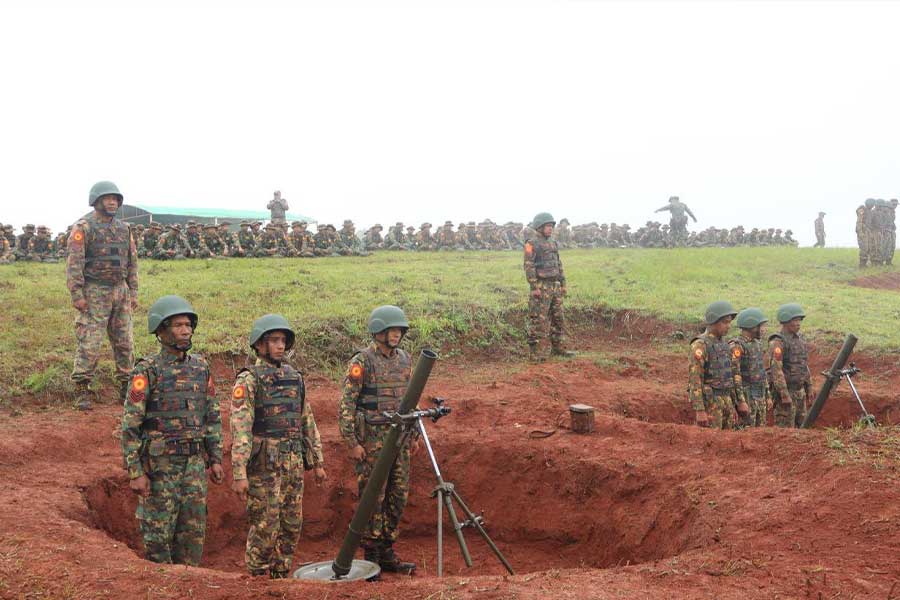
Junta sends reinforcements to fiercely contested Sittwe-Ponnagyun front
By Admin 25 Nov 2026
India's Kaladan project faces uncertain future amid Arakan conflict: CAS
By Admin 25 Nov 2026