
- 92 groups urge Canada to expand sanctions on Myanmar oil and gas sector
- Junta bombing of Ponnagyun IDP shelter injures three civilians
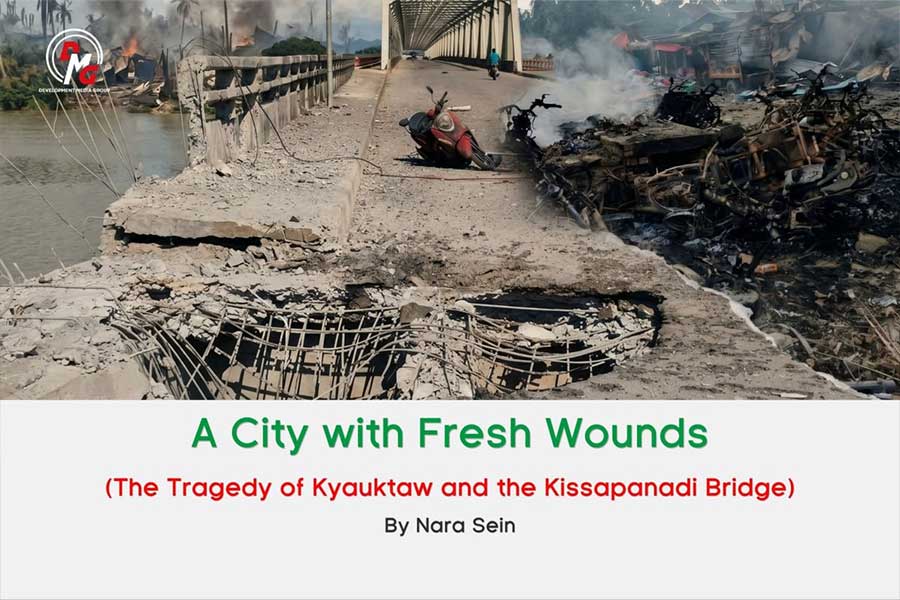
- UN investigators seek evidence on deadly Kyauktaw airstrike as attacks continue across Arakan
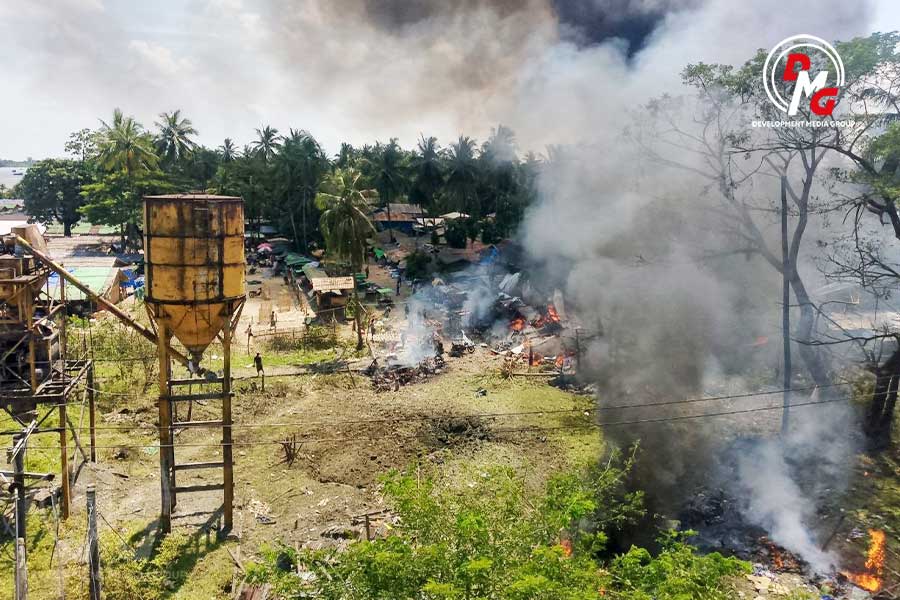
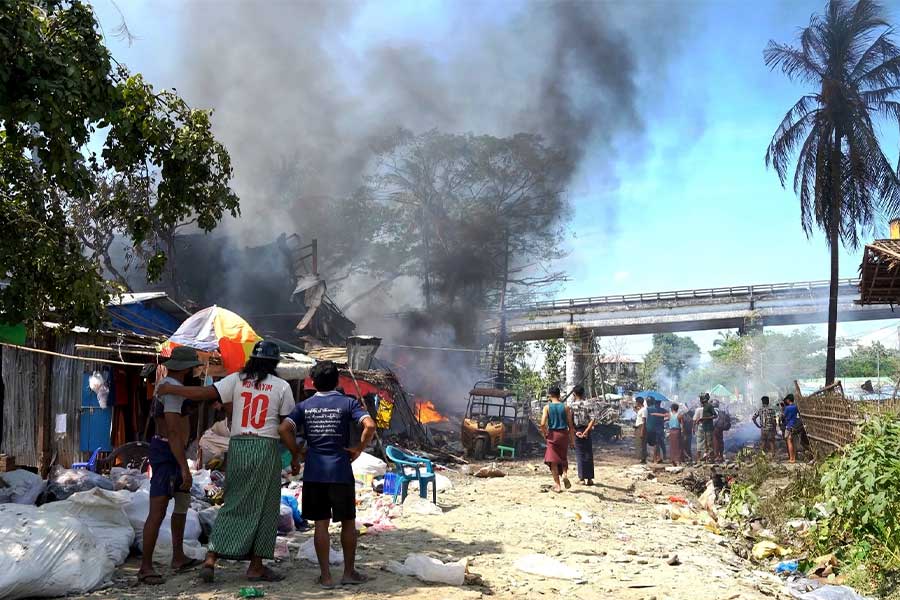
- Myanmar military continues airstrikes across Arakan after deadly Kyauktaw attack
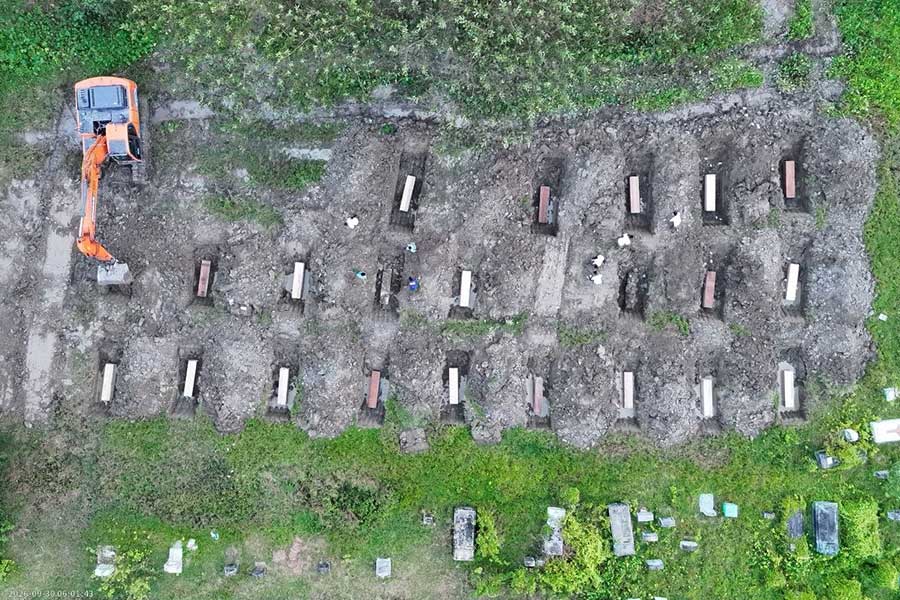
- ISP-Myanmar reports at least 115 mass civilian killing incidents across Myanmar
Regime escalates coordinated multi aircraft airstrikes, civilian casualties rise
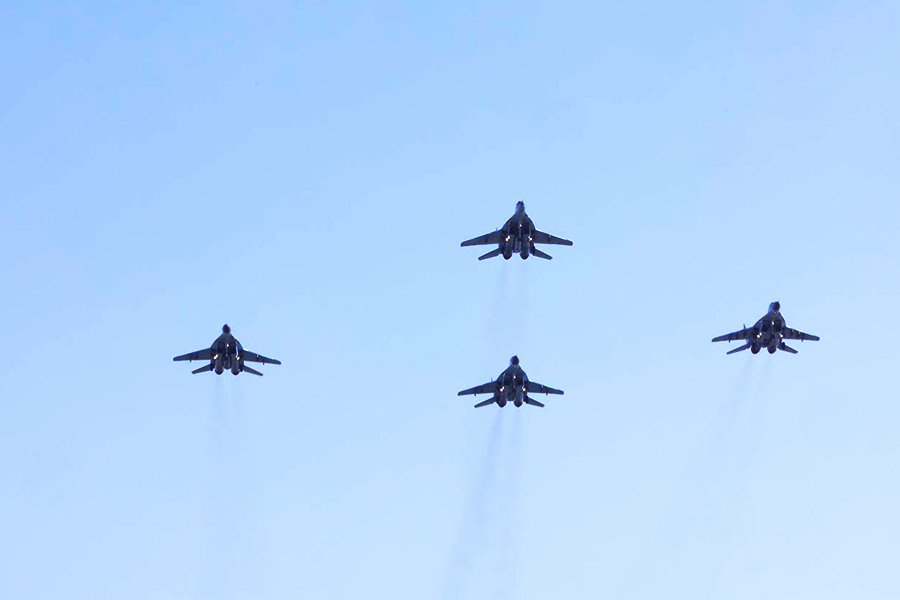
Since the beginning of 2026, the regime has increasingly conducted coordinated airstrikes using groups of four or more aircraft across the country, including Arakan State, leading to a rise in civilian casualties.
03 Apr 2026
DMG Newsroom
3 April 2026, Pauktaw
Since the beginning of 2026, the regime has increasingly conducted coordinated airstrikes using groups of four or more aircraft across the country, including Arakan State, leading to a rise in civilian casualties.
While a single jet fighter was typically used for attacks in previous years, locals and military sources report that the regime now targets specific locations for 30 to 45 minutes, circling and dropping large numbers of bombs.
During March, the regime carried out airstrikes using jet fighters and Y-12 aircraft in Pauktaw, Rathedaung, and Ann townships, which are controlled by the Arakan Army. On April 1, aerial attacks were also launched near Thandwe using four jet fighters.
On March 20, the regime conducted an intense aerial assault on Katha in Sagaing Region using four aircraft, including jet fighters and Y-12 bombers, killing at least 17 people, including monks and civilians.
Military observers say the shift toward using groups of aircraft is intended to maximize operational capacity and increase destruction.
Captain Zin Yaw, a participant in the Civil Disobedience Movement, said, "Recently, whenever the regime conducts an airstrike, they organize groups of different aircraft from various airfields to attack. Instead of using a single Y-12 or jet fighter like before, they now rely on precise ground intelligence and use their aerial power to strike targets to the maximum extent."
On March 6, the regime dropped nearly 120 bombs during a three-hour aerial attack around Kyeinkhwaymaw Village in Pauktaw Township.
In early March, hundreds of bombs were also dropped over several hours on areas near Barhtalay Village in Rathedaung Township using multiple aircraft.
During the bombing of a prisoner of war camp in the Darlatchaung area of Ann Township on March 8, 116 prisoners and detainees were killed and at least 32 others were injured.
On April 1, four civilians were killed and three others seriously injured when four jet fighters bombed the vicinity of Light Infantry Battalion 55 near Ngapali in Thandwe Township.
An Arakan Army officer who experienced the bombing at the Ann detention camp said the regime has adopted a tactic of using jet fighters and Y-12 aircraft together for surprise attacks.
He said, "The regime often uses jet fighters and Y-12s together. They drop bombs with jet fighters first, then Y-12 aircraft continue the attack by circling the area. About 15 to 20 minutes later, jet fighters return for another strike. The pattern of attacks has changed."
Military sources from the Arakan Army also reported that groups of aircraft are being used in airstrikes near Sittwe Township.
Captain Zin Yaw added that while the military previously showed some concern about international and media pressure, it is now escalating attacks due to battlefield losses.
He said, "Previously, the military feared the international community and the media. Now they act as if it no longer matters. Facing isolation, public anger, and military setbacks, they are carrying out these airstrikes out of desperation."
On March 1, the regime bombed a trade camp in Mindon Township, Magway Region, with eight jet fighters, killing 25 merchants, including Arakanese traders, and severely injuring 20 others.
Following the ceasefire in northern Shan State, the regime has continued aerial bombings in Arakan, Chin, and Kachin States, as well as in central Myanmar where fighting remains intense.

Top News

92 groups urge Canada to expand sanctions on Myanmar oil and gas sector
By Admin 02 Oct 2026
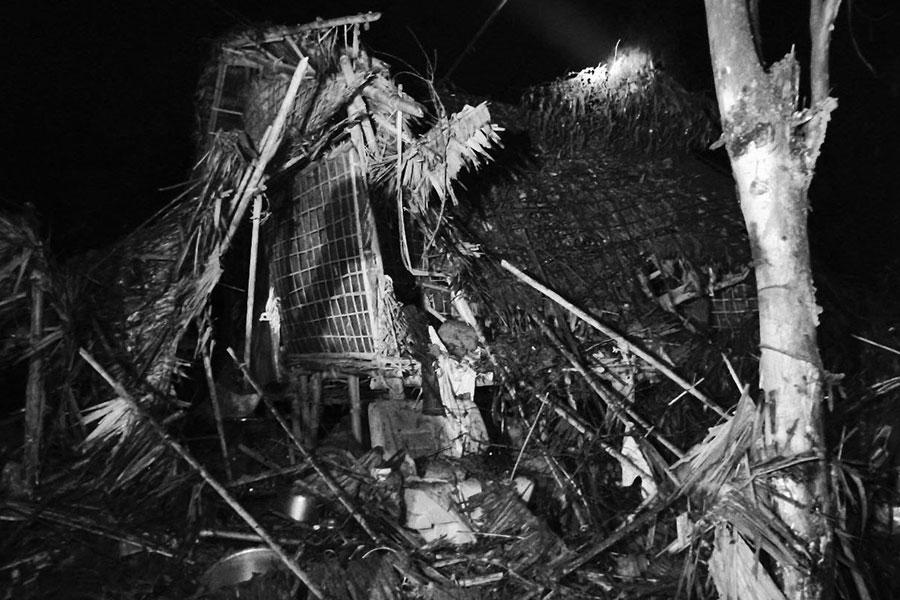
Junta bombing of Ponnagyun IDP shelter injures three civilians
By Admin 02 Oct 2026
Myanmar military continues airstrikes across Arakan after deadly Kyauktaw attack
By Admin 02 Oct 2026
ISP-Myanmar reports at least 115 mass civilian killing incidents across Myanmar
By Admin 01 Oct 2026