
- Junta airstrike kills pregnant woman, injures 12 in Mrauk-U village
- Road closure, fighting deepen livelihood crisis in Taungup mountain villages
- ULA health department urges Arakan residents to prepare for El Niño
- Junta bombs former displacement sites in Ponnagyun
- ULA steps up efforts to strengthen India–Arakan border trade
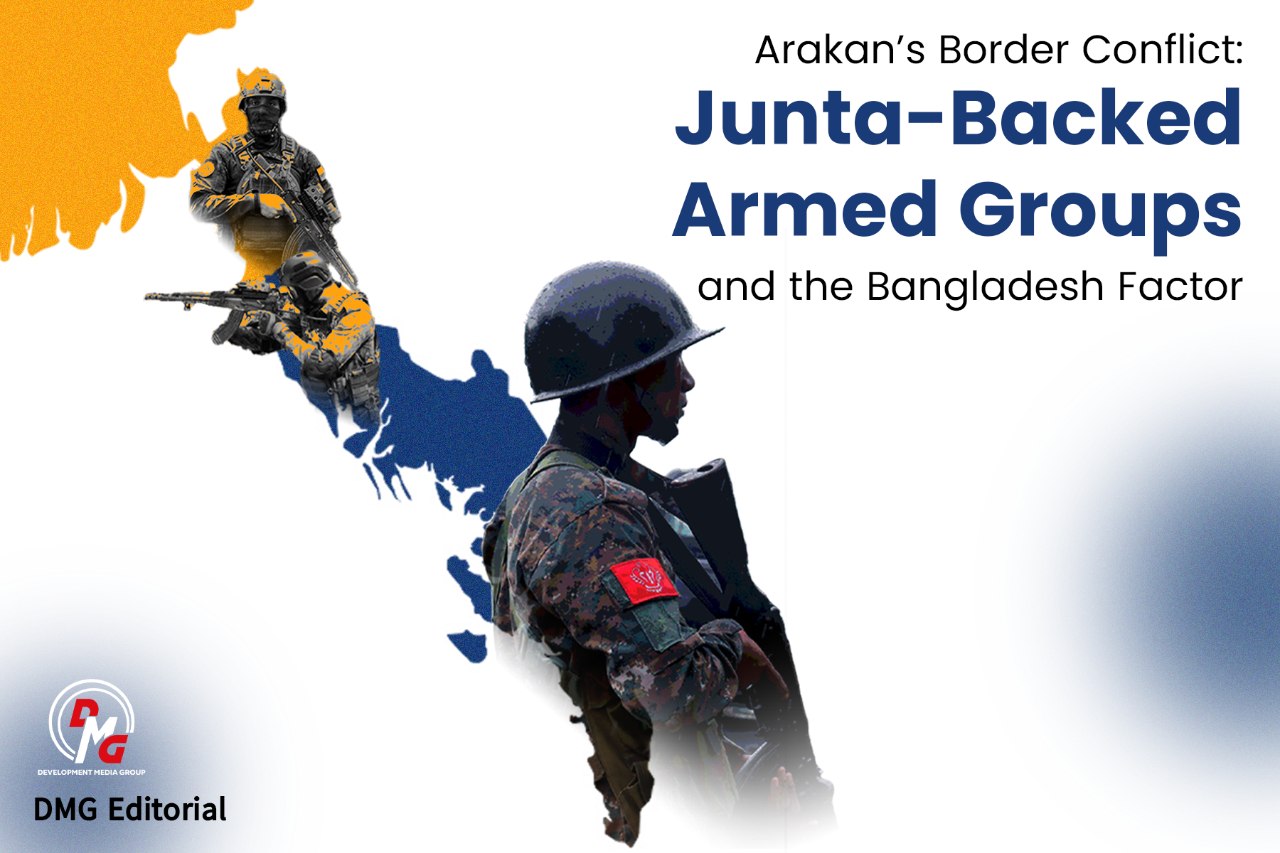
Arakan's Border Conflict: Junta-Backed Armed Groups and the Bangladesh Factor
The resurgence of the Arakan Rohingya Salvation Army (ARSA) along the Bangladesh–Arakan border, as fighting intensifies around Sittwe, is more than a coincidental development.
05 Nov 2026
DMG Editorial
The resurgence of the Arakan Rohingya Salvation Army (ARSA) along the Bangladesh–Arakan border, as fighting intensifies around Sittwe, is more than a coincidental development. It reflects a longstanding security challenge involving Myanmar's military, Muslim armed organisations and competing interests along the frontier.
During the 2024 battles for Buthidaung and Maungdaw, Myanmar's military cooperated with Muslim armed groups, including ARSA and the Rohingya Solidarity Organisation (RSO), despite its history of persecuting Muslim civilians. Independent research documented military training, ammunition supplies and tactical assistance, while subsequent investigations identified continuing links between these groups and junta personnel.
This history is essential to understanding renewed attacks against Arakan Army (AA) positions.
For Myanmar's military, maintaining relationships with armed groups along the northern Arakan border offers a means of pressuring the AA after losing territorial control. Ambushes, cross-border incursions and attacks on security outposts can divert AA personnel and resources from major battlefronts, particularly Sittwe.
ARSA, RSO and the Arakan Rohingya Army (ARA) have been linked to attacks and armed activities along the border. However, these organisations have different leadership structures and objectives. Their past cooperation with the junta does not establish that every recent attack was directly coordinated by Myanmar's military.
The Bangladesh dimension further complicates the conflict.
The AA has accused certain Bangladeshi border security personnel of providing armed groups with logistical assistance, ammunition and intelligence. Such allegations require credible investigation and must be distinguished from Bangladesh's official government policy. Border Guard Bangladesh has publicly denied supporting ARSA or RSO.
Bangladesh faces legitimate challenges involving border security, refugee protection and the eventual repatriation of Muslim/Rohingya refugees. Any involvement by individual security officials in facilitating cross-border armed operations would undermine those objectives and increase regional instability.
The motivations behind Muslim armed-group activities are also complex. Alongside reported military cooperation, longstanding grievances, disputes over political representation and territorial control, and frustration over the prolonged refugee crisis have contributed to recruitment and armed mobilisation.
These factors cannot justify attacks on civilians, forced recruitment or other abuses.
For residents of Maungdaw, the consequences are immediate. Armed violence, insecurity and restricted movement threaten livelihoods and safety, particularly in vulnerable border communities. Muslim refugees also face intimidation, coercive recruitment and violence by armed organisations.
Crucially, the actions of ARSA, RSO or ARA must not be attributed collectively to Muslim civilians. Equally, allegations of abuses against Muslim communities by other armed actors require independent investigation and accountability.
The AA's territorial gains bring responsibilities extending beyond military security. Effective governance requires protecting all communities, addressing grievances and preventing ethnic divisions from deepening.
Arakan's border crisis cannot be resolved through military operations alone. It demands scrutiny of junta-linked armed networks, credible investigation of alleged cross-border assistance, responsible engagement with Bangladesh and equal protection for civilians.
Without addressing the political grievances and armed networks sustaining violence, territorial control will remain an uncertain foundation for lasting peace in Arakan.

Opinion
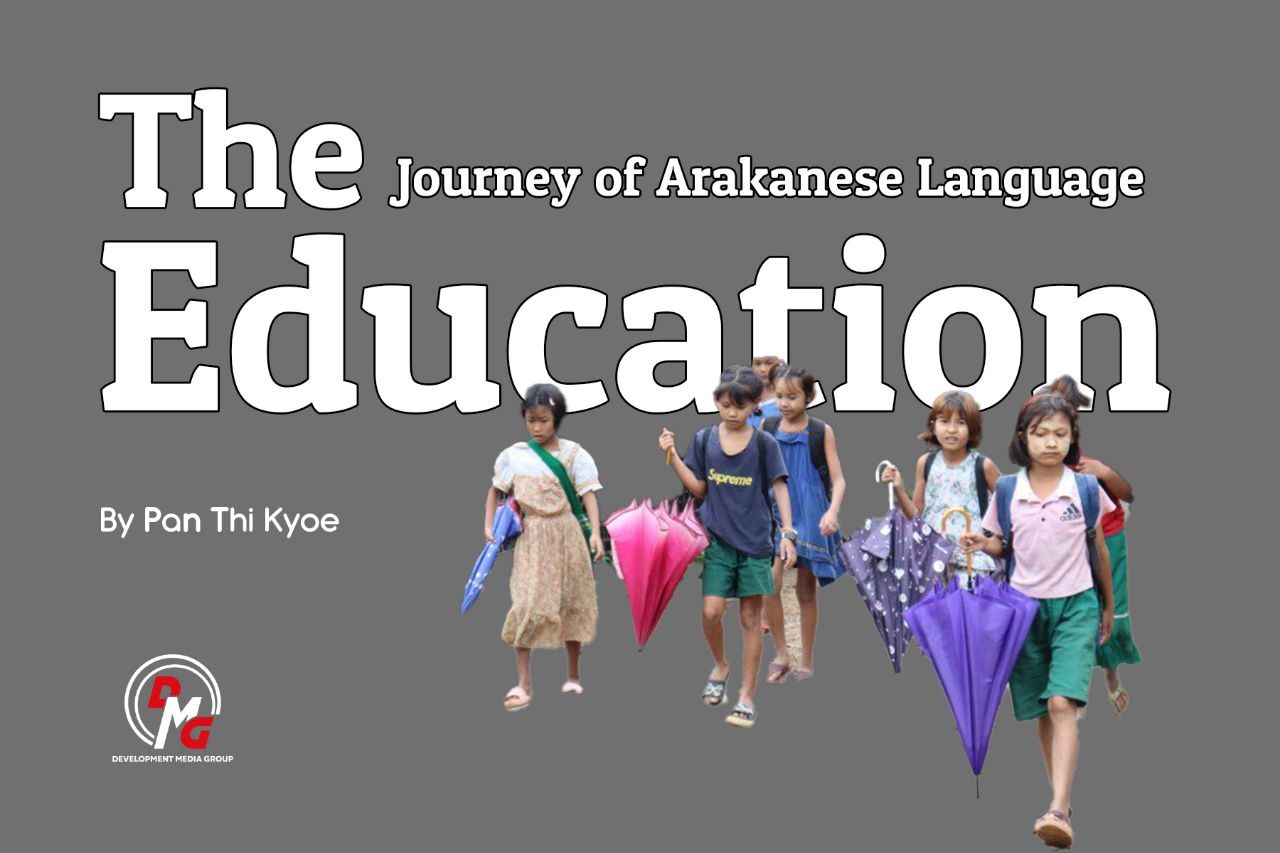
The Journey of Arakanese Language Education
By Admin 03 Nov 2026
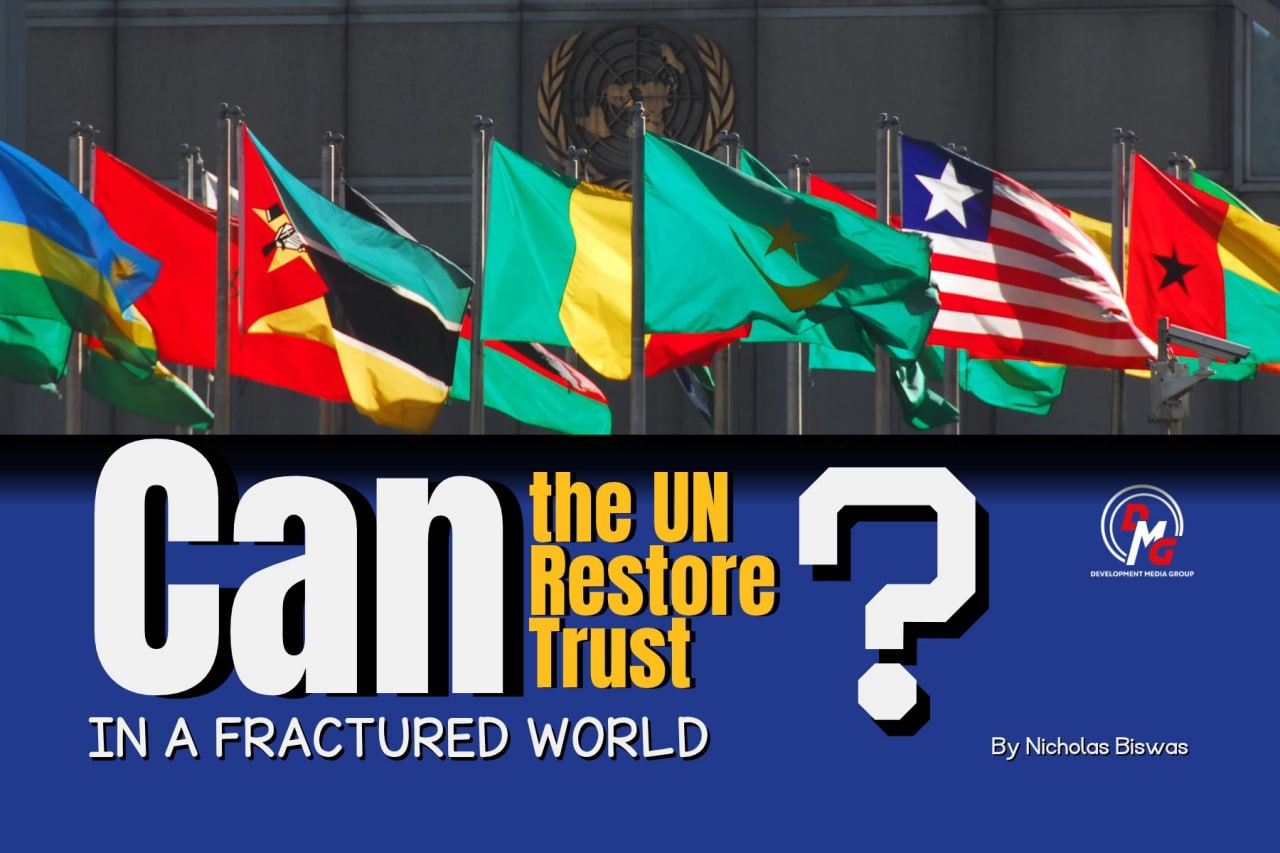
Can the UN Restore Trust in a Fractured World?
By Admin 23 Oct 2026
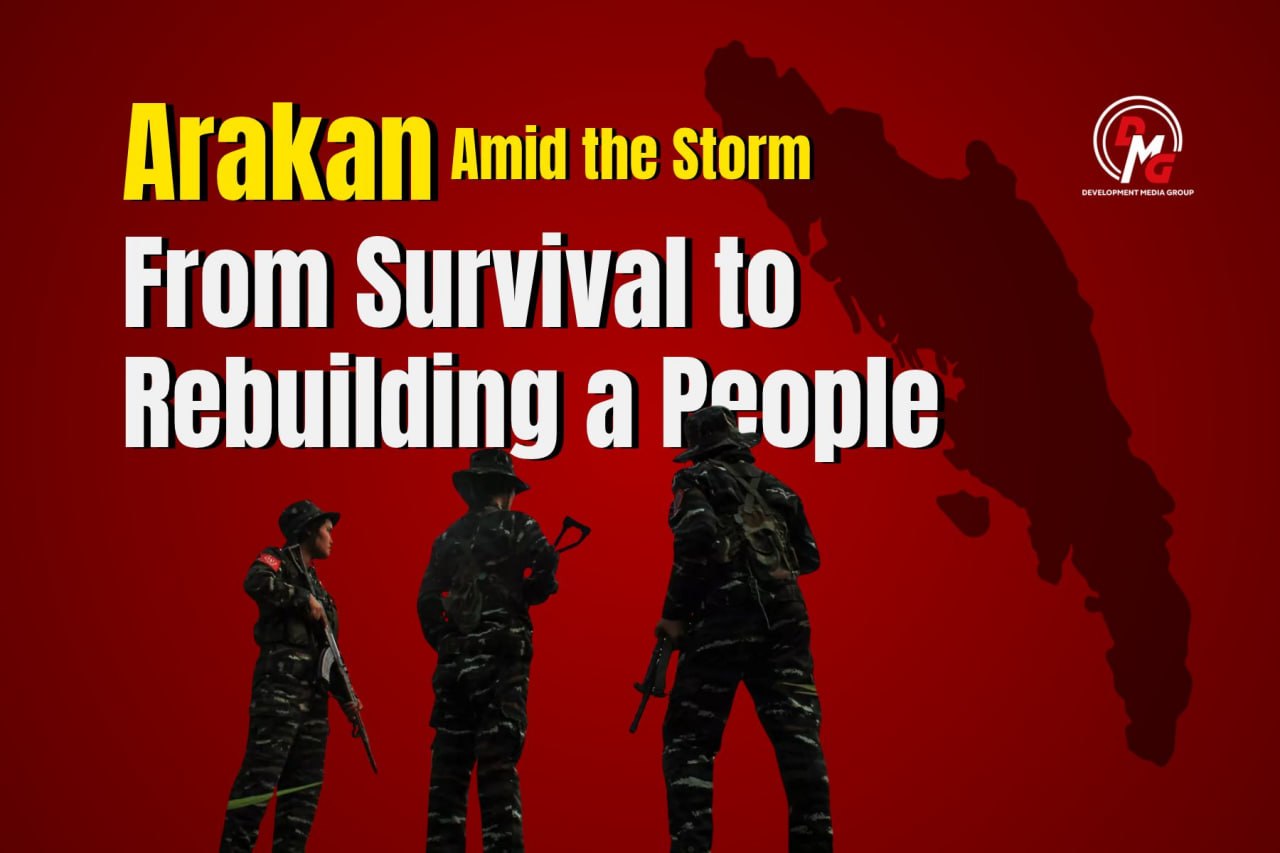
Arakan Amid the Storm: From Survival to Rebuilding a People
By Admin 22 Oct 2026
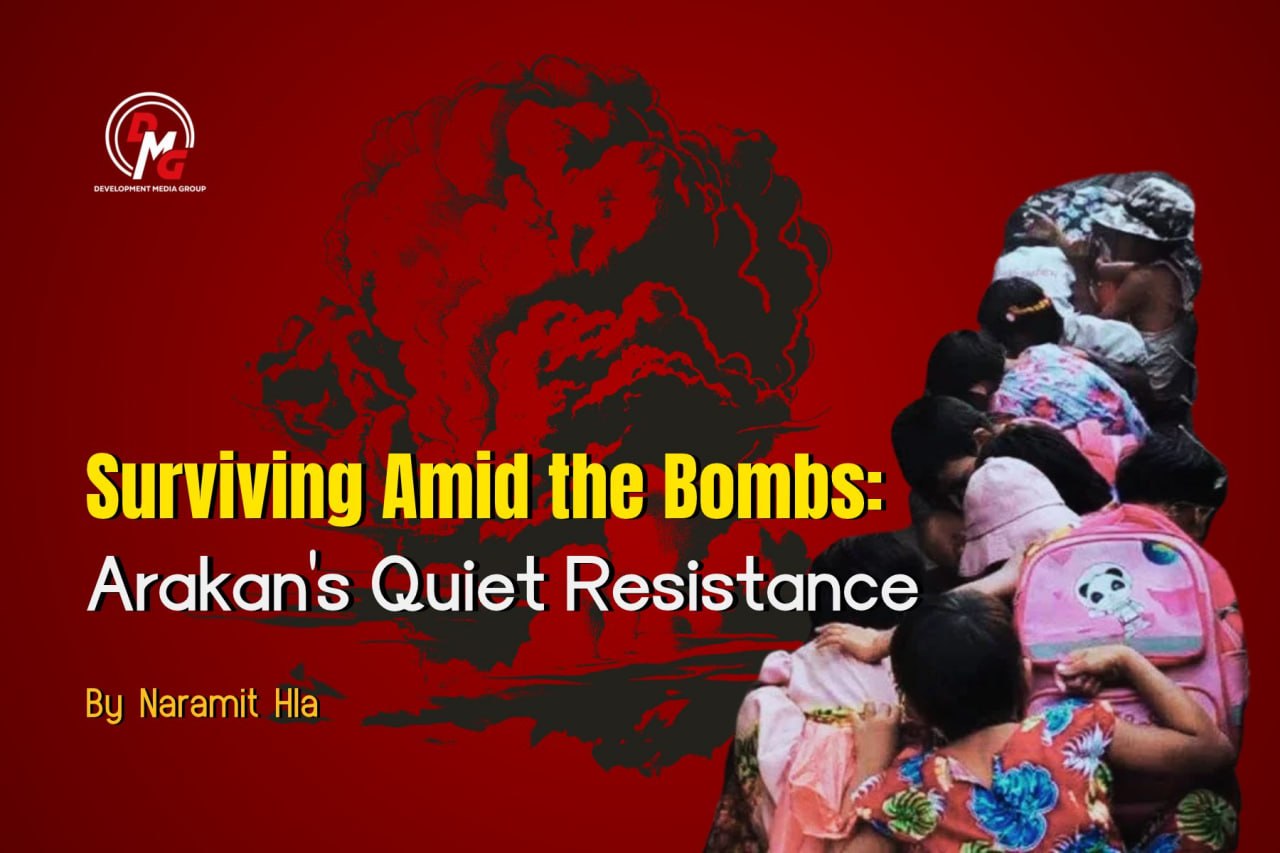
Surviving Amid the Bombs: Arakan's Quiet Resistance
By Admin 19 Oct 2026

Shadows Over Childhood: Confronting the Reality of Missing Children
By Admin 16 Oct 2026
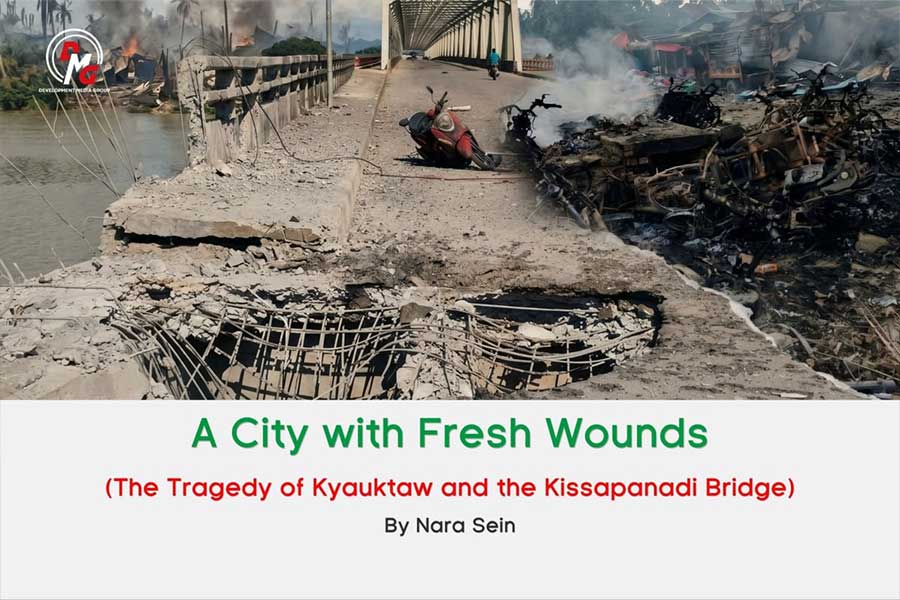
A City with Fresh Wounds (The Tragedy of Kyauktaw and the Kissapanadi Bridge)
By Admin 01 Oct 2026
POLITICS

BUSINESS
Industry to manufacture finished goods from coconut starting in early 2020
By Aung Kaung Zaw 20 Nov 2019