
- Min Aung Hlaing seeks renewed ties with US, West in TIME interview
- Over 2,000 arrested in Myanmar for online activity since 2022: D4M
- Ponnagyun residents displaced by fighting urgently need humanitarian aid
- POW says junta soldiers offered cash, promotions and drugs before combat in Arakan
- Arakan Army blocks junta offensive on key route into Arakan State
Editorial : Building an Inclusive Arakan: Education as a Foundation for Reconciliation
The recent meeting between the United League of Arakan (ULA), Muslim religious leaders and madrasa principals in Buthidaung Township was about more than education.
09 Aug 2026
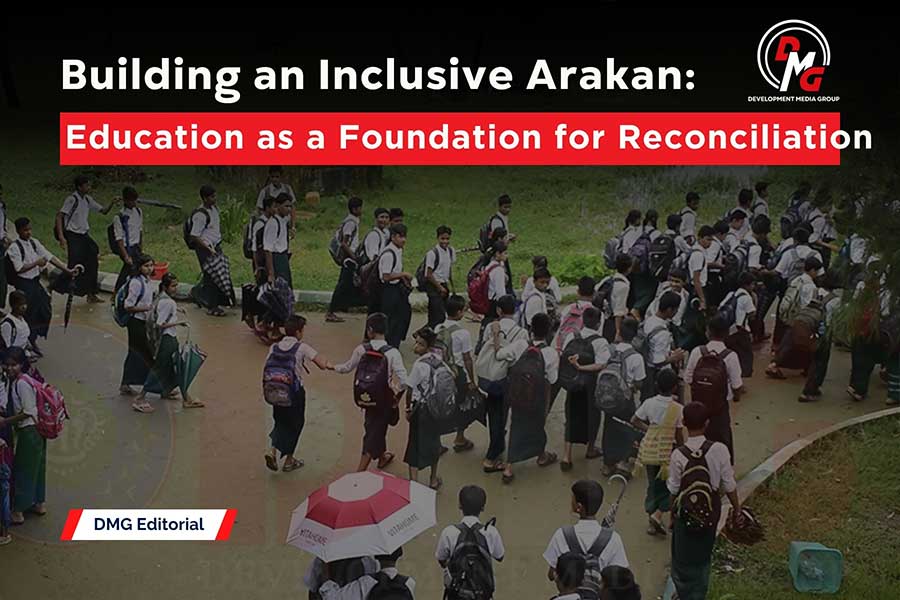
The recent meeting between the United League of Arakan (ULA), Muslim religious leaders and madrasa principals in Buthidaung Township was about more than education. It raised a broader question confronting Arakan today: what kind of society will emerge after decades of armed conflict, displacement and ethnic division?
The announcement that up to 500 Muslim teachers may be appointed to government schools across Maungdaw District in the coming academic year is one of the most significant recent initiatives aimed at expanding educational opportunities for Muslims in northern Arakan. Equally important was the message that religious education and modern education should complement rather than compete with one another. Describing madrasa education and modern schooling as "two eyes" reflects a vision in which religious identity and contemporary education can develop side by side.
Education has long been one of the greatest challenges facing northern Arakan. Years of conflict, displacement and restrictive policies disrupted schooling for both Arakanese and Muslim communities, leaving many young people with limited educational opportunities. Rebuilding the education system therefore requires more than reopening schools. It also requires rebuilding trust between communities that have lived through decades of violence, separation and mutual suspicion.
The meeting also reflects a broader pattern that has gradually emerged under the ULA's administration. In recent months, Muslims have increasingly been recruited as teachers in public schools, continued serving in the public health sector, participated in local administration, and seen mosques reopen in several areas. The ULA has also engaged Muslim religious leaders while supporting the coexistence of madrasa education and modern curricula. Taken together, these developments suggest an effort to broaden Muslim participation in public life and strengthen social cohesion.
This represents a notable departure from the past. Successive governments, particularly under military rule, often approached ethnic and religious diversity primarily through restrictive policies and security measures. Rather than fostering integration, such approaches deepened mistrust and failed to produce either lasting stability or genuine social harmony.
The current transition presents an opportunity to pursue a different path. Yet inclusion cannot be measured solely by meetings, policy announcements or symbolic gestures. It must be reflected in everyday governance. Equal access to education, healthcare, public administration, justice and employment should become practical realities rather than policy aspirations.
This is especially important in northern Arakan, where Arakanese and Muslim communities have lived alongside one another for generations despite repeated cycles of conflict. Sustainable peace will depend not only on security but also on rebuilding trust between neighbours who share the same towns, schools, markets and public institutions.
Education can play a central role in that process. Schools are not merely places where children acquire knowledge; they are also where future generations learn to understand and live alongside one another. Expanding access to modern education while encouraging proficiency in the Arakanese language can improve communication, broaden employment opportunities, strengthen access to public services and gradually reduce long-standing social barriers. At the same time, preserving madrasa education remains equally important, ensuring that religious traditions continue alongside broader educational opportunities.
The challenge extends well beyond education. As the ULA assumes greater administrative responsibilities across much of Arakan, public expectations are also increasing. Effective governance requires qualified teachers, healthcare workers, judges, police officers, civil servants and community leaders drawn from every segment of society. Inclusive governance is therefore not simply a question of representation; it is a practical necessity for building capable and trusted public institutions.
At the same time, building an inclusive society is an ongoing process rather than a completed achievement. Policies announced today must be implemented consistently, transparently and fairly if they are to earn lasting public confidence. Equal opportunities must be accompanied by impartial justice, respect for religious freedom, accountability and continued dialogue among all communities. Only sustained implementation will determine whether today's commitments become tomorrow's enduring progress.
Years of war have destroyed schools, displaced communities, disrupted livelihoods and weakened public services throughout Arakan. Recovery will require the participation of every community. Excluding any segment of society would only slow reconstruction and weaken the region's long-term stability.
The discussions in Buthidaung should therefore be viewed as more than an education initiative. They represent an opportunity to build a more inclusive Arakan, where every community has the chance to contribute to public life and share responsibility for the region's future.
The success of this effort will not ultimately be measured by the number of teachers appointed, meetings held or policies announced. It will be measured by whether every child regardless of ethnicity or religion, can receive a quality education, every citizen can participate equally in public institutions, and every community feels it has a genuine stake in shaping Arakan's future.
Only then can education become more than a pathway to individual opportunity. It can become the foundation upon which reconciliation, inclusive governance and lasting peace are built.

Opinion
UN at a Crossroads: Six Priorities for a Shared Future
By Admin 23 Sep 2026
.jpg)
How Can Myanmar’s Political Crisis Be Brought to an End?
By Admin 13 Sep 2026
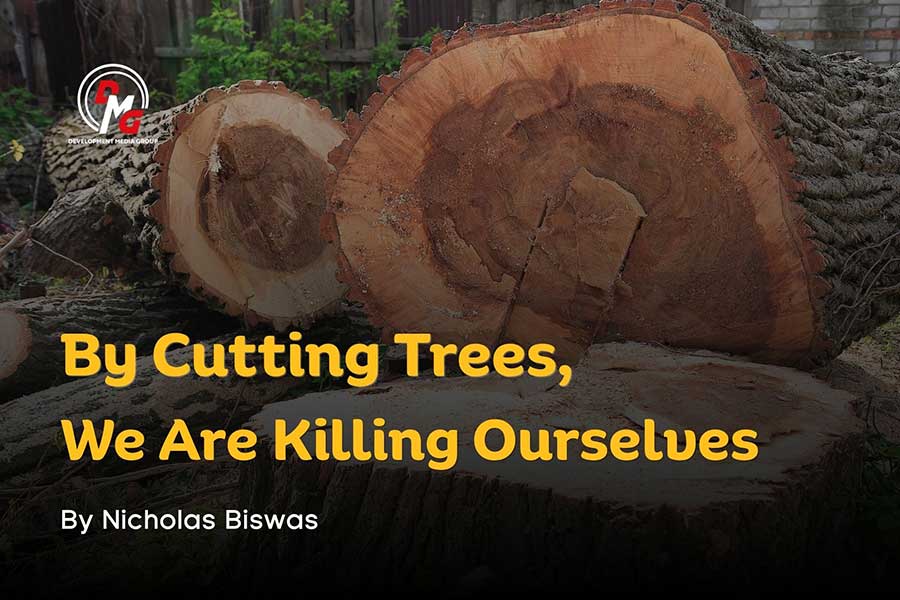
By Cutting Trees, We Are Killing Ourselves
By Admin 06 Sep 2026
A Modern August We Must Never Forget
By Admin 31 Aug 2026
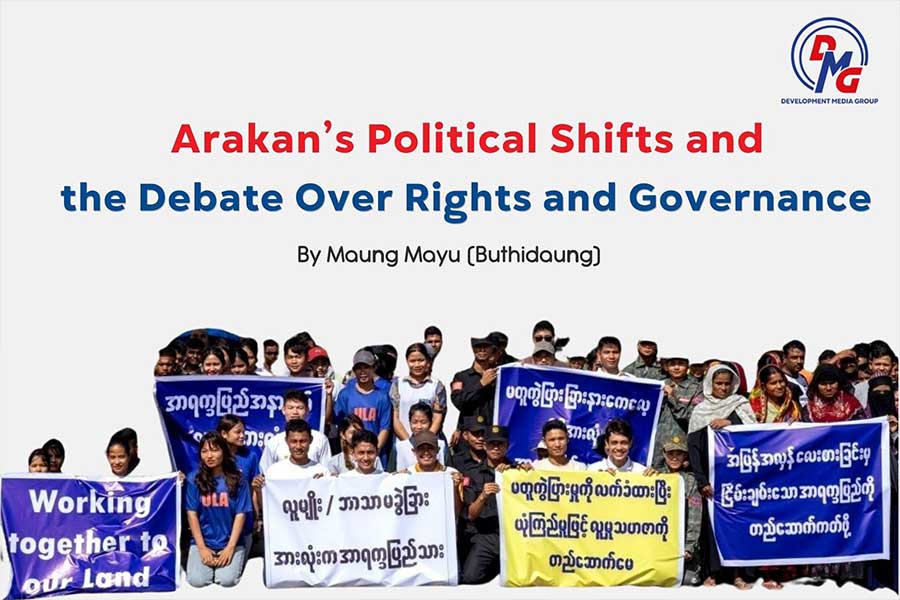
Arakan’s Political Shifts and the Debate Over Rights and Governance
By Admin 27 Aug 2026
POLITICS
BUSINESS
Industry to manufacture finished goods from coconut starting in early 2020
By Aung Kaung Zaw 20 Nov 2019